
Desserts
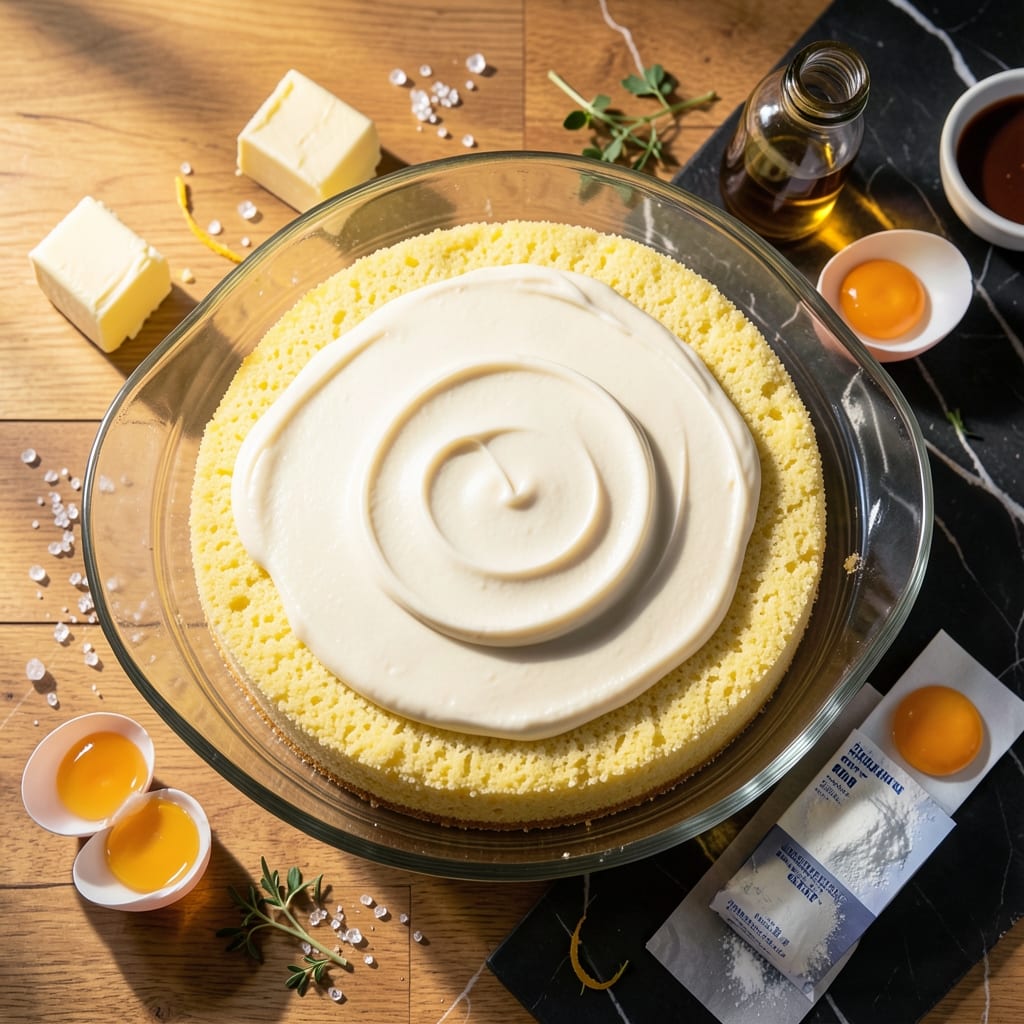
This all-purpose flour yellow cake delivers the buttery moistness and vanilla-kissed flavor that makes it a baking staple. The secret lies in the creaming method—where butter and sugar blend into a light, airy base before eggs and dry ingredients join the mix. This classic technique ensures a tender crumb and perfect rise every time, whether you're baking a layer cake, cupcakes, or a simple sheet cake.
What sets this recipe apart is its foolproof balance of baking powder and soda, creating lift without density. The vanilla extract adds depth, while a touch of salt rounds out the sweetness. I've tested this recipe countless times—it never fails to produce a cake with a golden top and moist interior that stays fresh for days.
Ready in just under an hour, this cake is perfect for birthdays, tea parties, or whenever you crave a slice of nostalgia. The versatility means you can frost it with buttercream, drizzle with glaze, or even serve it plain—it’s that good. The texture is light yet rich, with just the right amount of crumb for slicing or layering.
For those short on time, you can even adapt this recipe using a boxed mix for the dry ingredients while keeping the creaming method for the wet components. The result? A cake that tastes homemade without the fuss. Let’s get baking!
Ingredients for all purpose flour yellow cake
Buttery richness meets tender crumb in this foolproof yellow cake—just ten ingredients for perfect results every time.
| Ingredient | Amount | Notes |
|---|---|---|
| Unsalted Butter 🧈 | 1 cup | Softened to room temperature |
| Granulated Sugar 🍚 | 2 cups | White or light brown |
| All-Purpose Flour 🌾 | 2 ½ cups | Sifted for best texture |
| Pure Vanilla Extract 🍯 | 2 tsp | High-quality, imparts depth |
| Large Eggs 🥚 | 2 whole | Room temperature for best mixing |
| Baking Powder 🍞 | 2 tsp | Fresh for proper rise |
| Baking Soda 🍞 | ½ tsp | Ensures lightness |
| Fine Sea Salt 🧂 | ½ tsp | Balances sweetness |
| Milk 🥛 | 1 cup | Whole milk for moisture |
| Vegetable Oil 🫒 | ¼ cup | Lightens texture |
The butter makes all the difference here. Use unsalted butter—it gives you full control over the salt level. Kirkland Signature or Land O'Lakes are reliable brands, but any good-quality unsalted will work. Room temperature is key: it should be soft enough to leave a faint indent when pressed. If your butter is too cold, let it sit at room temperature for about 1 hour. The vanilla extract should be pure, not imitation—McCormick or Nielsen-Massey are solid choices. For the flour, King Arthur or Gold Medal brands are my go-to for consistent results. Always sift your flour before measuring to avoid dense cake.
No vanilla extract? Vanilla sugar works at half the amount, though it won't have the same depth. Running short on butter? Replace with an equal amount of vegetable oil—just know the texture will be slightly denser. Whole milk is ideal, but 2% or even almond milk in a pinch keeps the cake moist. If you're using a boxed mix for the dry ingredients, stick to the creaming method for the wet components to maintain that restaurant-quality texture. The baking powder and soda must be fresh—if your baking powder is over a year old, replace it to ensure proper rise. For a richer flavor, add 1 tbsp of lemon zest to the dry ingredients.
This cake keeps beautifully for 3-4 days at room temperature wrapped in plastic, or up to 1 week refrigerated. For longer storage, freeze portions for up to 3 months. I like to slice it thinly and freeze individual layers between parchment paper. To reheat, wrap slices in a damp paper towel and microwave for 10-15 seconds—they'll be just as moist as the day it was baked. The creaming method ensures a tender crumb, so avoid overmixing once the dry ingredients are added. The secret to that perfect golden top? Bake until a toothpick comes out clean, even if it means adding a minute or two.
Why You'll Love This Recipe
- No-Fuss Mixing: I swear by the creamy butter-sugar combo—just cream, then fold in dry ingredients. No sifting, no stress, and the eggs blend right in without overworking the batter. Honestly, it’s the kind of recipe where you can chat with someone while mixing and still get it right.
- Vanilla Butter Bliss: That first bite? Rich, tender crumb with a whisper of vanilla that lingers. The butter isn’t overpowering, but it’s there—like a warm hug in cake form. I’ll be real: I’ve tried fancier extracts, but pure vanilla keeps this cake simple and ridiculously good.
- Birthday to Brunch: Slice it for a celebration or cube it for breakfast the next morning. Frost it with cream cheese, serve it plain, or even toast a slice for a lazy weekend. Between us, this cake handles any occasion without needing a last-minute makeover.
- Budget-Friendly Staples: Pantry-friendly, wallet-friendly, and still feels special. You’re using basics—flour, sugar, butter—so it’s cheap to make but never tastes cheap. Leftovers? They disappear faster than I can say “second cup of coffee.”
Step-by-step instructions for perfect yellow cake
Here's how to create a tender, moist cake with that signature vanilla kiss.
Cream Butter and Sugar Together
In a large mixing bowl, combine the 1 cup unsalted butter and 2 cups granulated sugar. Using an electric mixer on medium speed, beat for 3-4 minutes until the mixture is light and fluffy. You'll see it nearly double in volume and become pale in color.
This creaming process incorporates air into the butter, which creates a tender crumb. I press down on the mixture occasionally with a spatula to ensure it's fully combined. If the butter isn't softened, it won't cream properly and your cake will be dense.
Add Eggs and Vanilla Extract
Add the 2 whole large eggs, one at a time, mixing well after each addition. Then add the 2 teaspoons pure vanilla extract and mix until fully incorporated. The mixture should be smooth with no visible streaks of egg.
I like to add the vanilla extract last in this sequence because it's the most delicate flavor. The eggs help bind everything together while the vanilla adds that signature aroma. Don't worry if the mixture looks slightly curdled at this stage—the flour will smooth it out.
Combine Dry and Wet Ingredients
In a separate bowl, whisk together the 2.5 cups all-purpose flour, 2 teaspoons baking powder, 0.5 teaspoon baking soda, and 0.5 teaspoon fine sea salt. Sift the flour mixture directly into the wet ingredients.
With the mixer on low speed, add the 1 cup milk and 0.25 cup vegetable oil alternately, beginning and ending with the milk. Mix just until the flour is moistened and no dry spots remain. Overmixing develops gluten, which makes the cake tough.
Prepare Pans and Bake
Preheat your oven to 350°F. Grease two 8-inch round cake pans and line the bottoms with parchment paper. Divide the batter evenly between the prepared pans.
Bake for 25-30 minutes or until a toothpick inserted into the center comes out clean. The cake should spring back when gently pressed in the center. If the tops brown too quickly, tent the pans with aluminum foil.
Cool and Serve
Remove the cakes from the oven and let them cool in the pans for 10 minutes. Then transfer to a wire rack to cool completely. This gradual cooling prevents cracking and ensures even texture throughout.
For the best results, serve the cake at room temperature. The moisture will distribute evenly, giving you that perfect tender crumb with just the right amount of vanilla sweetness. Slice with a sharp knife for clean, even pieces every time.
Pro Tips For Making All Purpose Flour Yellow Cake
- Weigh Your Butter: I used to eyeball it and wonder why my cake turned out dense—turns out, 1 cup of packed butter is not the same as 1 cup of scooped butter. Use a kitchen scale for precision, especially if your recipe calls for ½ cup or less. The difference in texture is real.
- Mix Dry Ingredients First: Skip the "add everything at once" approach—sift your flour and baking powder together, then whisk them into the butter-sugar mix last. This prevents lumps and gives you a smoother batter. (Yes, even if you’re using a stand mixer, don’t skip this.)
- Check Doneness at 325°F: Ovens run hot, and yellow cake’s done when the center is just set—no jiggle, but not dry. If yours comes out gummy, you overbaked it. Pull it at 325°F internal temp (use an instant-read thermometer) and let it cool completely before slicing. Patience here = no soggy middle.
- Use Room-Temp Eggs: Cold eggs make the batter curdle and can cause tunnels in your cake. Pop them in warm water for 5 minutes or let them sit out for 30 minutes before cracking. Trust me, your cake’s crumb will thank you—it’ll be lighter and more even.
Creative variations of this dish
Citrus Twist Variation
Brighten up your yellow cake with a zesty citrus twist by adding 1 tbsp lemon zest or 1 tsp orange extract to the dry ingredients. The acidity enhances the vanilla flavor and keeps the cake moist longer. I like to pair this with a lemon buttercream for a refreshing contrast. 🍋
Spiced Chai Cake
Transform this classic into a warm spiced chai cake by incorporating 1 tsp ground cinnamon, ½ tsp ground cardamom, ¼ tsp ground cloves, and ¼ tsp ground ginger into the dry ingredients. Add 2 tbsp strong brewed chai tea to the milk for extra depth. Top with a gingerbread glaze for a festive touch.
Gluten-Free Adaptation
For a gluten-free version, replace the 2.5 cups all-purpose flour with 2 cups gluten-free 1:1 baking flour (like Bob’s Red Mill) and ½ cup cornstarch. Add 1 extra tsp baking powder to ensure proper rise. The texture will be slightly denser but still moist and delicious. I recommend using King Arthur gluten-free flour blend for the best results. 🌾
Cupcake Conversion
Turn this cake into cupcakes by dividing the batter into 24 lined cupcake tins (fill each liner ⅔ full). Bake at 350°F for 18-20 minutes or until a toothpick comes out clean. For extra flair, top with vanilla buttercream swirls or chocolate ganache drizzle. These cupcakes are perfect for parties or snacking!
Boxed Mix Shortcut
For a quick version, use 1 box (18.25 oz) yellow cake mix instead of the dry ingredients. Replace the 1 cup butter with ½ cup vegetable oil and 1 cup water (instead of milk) to keep the creaming method intact. This cuts prep time in half while maintaining that tender texture. Just add 1 tsp vanilla extract for extra flavor. 💡
Layered Cake Assembly
For a 3-layer cake, bake the batter in three 6-inch round pans for 20-25 minutes. Once cooled, layer with vanilla buttercream and decorate with fresh berries or chocolate shavings. This makes an impressive centerpiece for celebrations without the fuss of a complex recipe. 🎂
Nutrition facts
Frequently asked questions
Why does my yellow cake turn out dense instead of light?
The most common causes are overmixing after adding flour or using cold butter. Stop mixing as soon as the batter comes together—overmixing develops gluten, making the cake tough. Also ensure your butter is softened (not melted) and at room temperature before creaming. If your oven runs hot, reduce the temperature to 340°F.
Can I substitute all-purpose flour for cake flour in this recipe?
Yes, but you'll need to make adjustments. Replace 1 cup all-purpose flour with 1 cup minus 2 tablespoons cake flour (add the missing 2 tbsp back to the recipe). Alternatively, remove 1 tbsp flour and add 2 tbsp cornstarch to improve tenderness. The cake will still be delicious but slightly denser than with cake flour.
How do I fix a sunken middle in my yellow cake?
This usually happens from underbaking or opening the oven too soon. Always bake until a toothpick comes out clean (25-30 minutes at 350°F). If the cake sinks after cooling, try this next time: place a metal tray on the middle oven rack during baking to reflect heat upward, or tent the cake with foil if the top browns too quickly.
What's the best way to store leftover yellow cake?
Wrap individual slices tightly in plastic wrap or store the whole cake in an airtight container at room temperature for 3-4 days. For longer storage, refrigerate for up to 1 week or freeze for 3 months. To reheat, microwave wrapped slices for 10-15 seconds—they'll be just as moist as fresh!
Can I make this cake without eggs?
Yes, use 2 tablespoons ground flaxseed mixed with 6 tablespoons water (let sit for 5 minutes to thicken) as an egg substitute. For better texture, also add 1 teaspoon vinegar to the milk. The cake will be slightly denser but still moist. For a lighter result, try ¼ cup unsweetened applesauce instead of one egg.