
Desserts
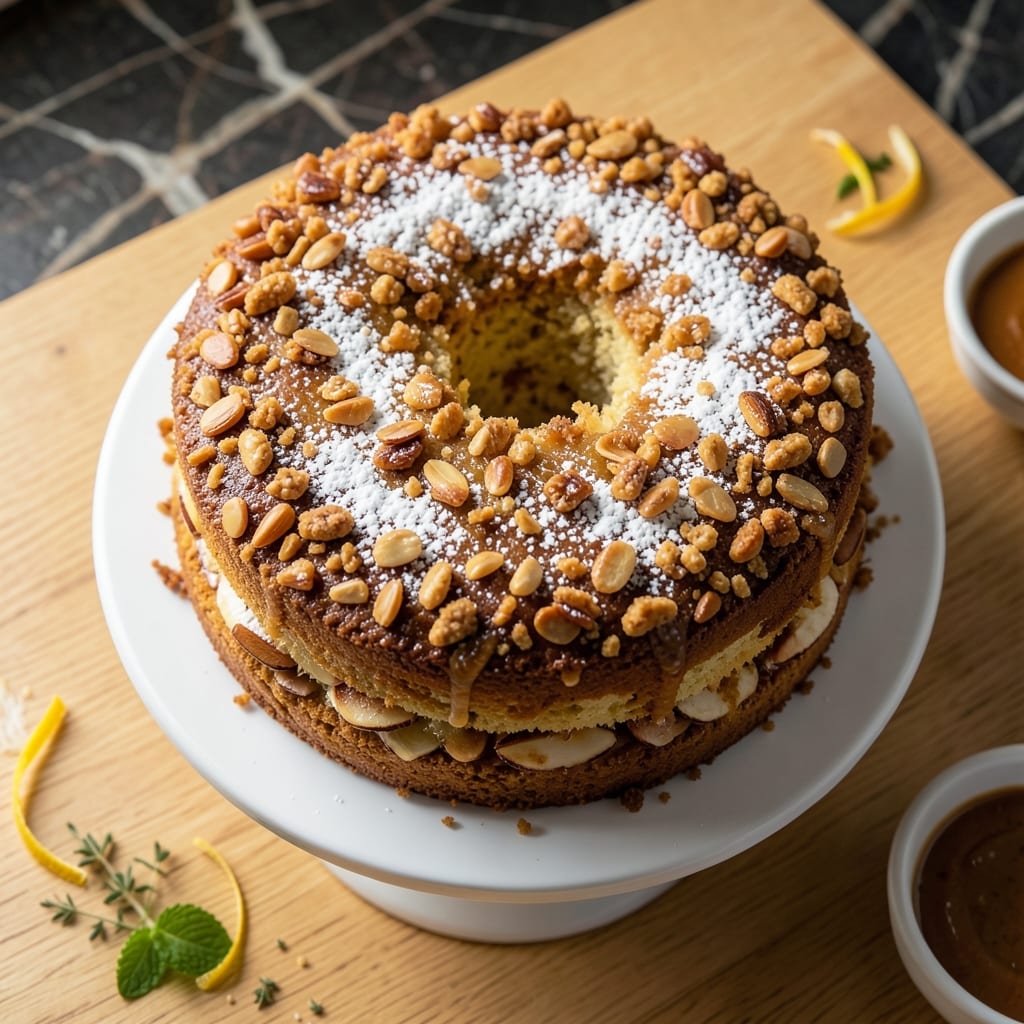
This almond crunch cake delivers the perfect balance of ultra-moist layers and crunchy almond topping that keeps every bite exciting. The secret lies in a simple yet effective technique: folding toasted almonds into the batter and pressing them into the top before baking, creating both texture contrast and a nutty aroma that fills your kitchen. I developed this recipe after years of perfecting the science behind tender cake layers—no dry crumbs or soggy bottoms here.
The cake itself is built on a foolproof method using buttermilk and sour cream, which guarantees that moist texture you crave. While the oven works its magic, the almonds toast to a golden brown, their natural oils infusing the cake with rich, nutty flavor. This isn't your average dessert—it's a showstopper that pairs beautifully with coffee, tea, or even a scoop of vanilla ice cream for a decadent twist.
What makes this recipe truly special is its versatility. You can keep it classic with a dusting of powdered sugar or elevate it with a light glaze—either way, the almond crunch remains the star. The cake stays fresh for days when stored properly, making it perfect for gatherings or satisfying that afternoon sweet tooth without the fuss of complicated techniques.
Ready to bake? The process is straightforward with just a handful of ingredients, and the result is a cake that's as impressive to serve as it is delicious to eat. Let's get started on creating layers of flavor and texture that will have everyone asking for seconds.
Ingredients for almond crunch cake
Just twelve ingredients transform into a showstopping cake with perfect moist layers and irresistible almond crunch.
| Ingredient | Amount | Notes |
|---|---|---|
| All-Purpose Flour 🌾 | 2 ½ cups | Sifted for light texture |
| Granulated Sugar 🍚 | 1 ½ cups | White or light brown |
| Unsalted Butter 🧈 | 1 cup | Room temperature, full-fat |
| Large Eggs 🥚 | 2 whole | Room temperature, separated |
| Buttermilk 🥛 | 1 cup | Room temperature |
| Sour Cream 🥛 | ½ cup | Full-fat for moisture |
| Pure Vanilla Extract 💧 | 1 tbsp | High-quality, pure |
| Baking Powder 🧂 | 2 tsp | Aluminum-free preferred |
| Salt 🧂 | ½ tsp | Fine sea salt |
| Sliced Almonds 🌰 | 2 cups | Unsalted, toasted |
| Powdered Sugar 🍚 | ½ cup | For dusting |
| Vegetable Oil 🫒 | ¼ cup | For greasing pan |
The almonds are the star here, so unsalted, sliced almonds are a must—they toast beautifully and add that signature crunch. Trader Joe's and Whole Foods carry high-quality options, but any grocery store's bulk section works. Toast them yourself for maximum flavor: spread on a baking sheet, 350°F for 8-10 minutes until golden. Skip the pre-toasted kind—they lack that fresh nutty aroma. For the flour, King Arthur or Gold Medal brands are reliable, but any all-purpose will do. The butter and sour cream should both be full-fat—this is where the moisture magic happens.
No buttermilk? Mix 1 cup milk with 1 tbsp vinegar or lemon juice and let sit for 5 minutes. Running short on almonds? Pecans or walnuts work, though the flavor shifts slightly. The vanilla extract matters—Nielsen-Massey or McCormick are solid budget picks, but splurge for Bourbon or Madagascar vanilla if you can. Need to make this gluten-free? Swap the flour for a 1:1 gluten-free blend, but add an extra 0.5 tsp xanthan gum to mimic the structure. The powdered sugar can be omitted if you prefer a more rustic finish—just skip the final dusting.
This cake keeps beautifully—3 days at room temperature wrapped tightly, or 5 days refrigerated. For longer storage, slice and freeze portions for up to 3 months. The almond topping stays crisp if you press it gently into the batter before baking. To serve, dust with powdered sugar right before slicing—it melts into the warm cake, creating a sweet, snowy effect. Leftovers? Reheat slices for 10 seconds in the microwave to restore that fresh-baked crunch.
Why You'll Love This Recipe
- Pantry-Friendly Magic: I swear by this recipe because it uses what’s already lurking in my cabinets—flour, sugar, butter—no specialty trips required. The buttermilk’s tang cuts through the sweetness like a whisper, and the eggs bind everything without fuss.
- Birthday or Breakfast: Serve it warm with ice cream for a crowd, or slice it cold for a midweek pick-me-up. I’ve even dressed it up with whipped cream for a fancy brunch—same recipe, just different vibes. The buttermilk keeps it moist for days, so it’s always ready.
Step-by-step instructions for almond crunch cake
Here's how to create a perfectly balanced cake with ultra-moist layers and a crunchy almond topping.
Prepare the Cake Batter for Maximum Moisture
Preheat your oven to 350°F and grease a 9-inch round cake pan with the 0.25 cup vegetable oil, then line the bottom with parchment paper. In a large mixing bowl, combine the 2.5 cups all-purpose flour, 2 tsp baking powder, and 0.5 tsp salt. Whisk these dry ingredients together until evenly distributed—this ensures even rising and prevents dense spots in your cake.
In a separate bowl, cream together the 1 cup unsalted butter and 1.5 cups granulated sugar on medium speed until light and fluffy, about 3-4 minutes. This step incorporates air, which creates that tender crumb texture we're after. Add the 2 whole large eggs, one at a time, mixing well after each addition. Scrape down the sides of the bowl to ensure everything is properly incorporated.
Alternate adding the dry ingredients mixture and the 1 cup buttermilk to the butter-sugar-egg mixture, beginning and ending with the flour mixture. Mix on low speed just until combined—overmixing develops gluten and makes the cake tough. Stir in the 0.5 cup sour cream and 1 tbsp pure vanilla extract until smooth. The batter should be thick but pourable, like heavy pudding.
Toast the Almonds for Maximum Crunch
While you prepare the cake batter, spread the 2 cups sliced almonds evenly on a rimmed baking sheet. Toast them in the preheated oven for 8-10 minutes, stirring once halfway through, until they're golden brown and fragrant. This step is crucial—raw almonds won't provide that satisfying crunch we want on top of our cake.
Remove the almonds from the oven and let them cool for 5 minutes. While they're still warm, transfer them to a small mixing bowl and toss with 0.5 cup powdered sugar. This creates a sweet, crunchy topping that contrasts beautifully with the moist cake layers. Save any excess powdered sugar for dusting the cake after baking.
Bake the Cake to Perfect Doneness
Pour the prepared batter into the greased cake pan and smooth the top with a spatula. Sprinkle the toasted, powdered sugar-coated almonds evenly over the batter, pressing down gently to ensure they adhere. Bake in the preheated oven for 35-40 minutes, or until a toothpick inserted into the center comes out clean with just a few moist crumbs clinging to it.
I always check for doneness at the 30-minute mark—your oven might run hot, so start checking early. The cake should be golden brown on top with a slightly domed center. If the almonds on top are browning too quickly, tent the cake with aluminum foil to prevent over-browning while the center finishes baking.
Cool and Serve for Optimal Texture
Remove the cake from the oven and let it cool in the pan for 10 minutes. This brief cooling period helps the cake set slightly before you transfer it to a wire rack. Run a knife around the edges of the cake to loosen it from the pan, then invert the cake onto the rack to cool completely.
Once completely cooled, dust the top generously with any remaining powdered sugar for a beautiful finish. The cake should have a moist, tender crumb with a delightful contrast of crunchy almonds on top. Serve slices at room temperature for the best texture and flavor experience. This cake keeps well at room temperature for 3 days or can be refrigerated for up to 5 days—though I doubt it will last that long!
Pro Tips For Making Almond Crunch Cake
- Cream Butter Properly: Beat the butter and sugar until it’s pale and fluffy—about 3-5 minutes with a stand mixer. I used to rush this, and the cake turned out dense; now I set a timer and resist the urge to peek. ---
- Toast the Almonds: Lightly toast the almonds in a dry pan over medium heat for 3-4 minutes until fragrant. This step makes all the difference—they’ll add depth of flavor and avoid tasting raw. ---
- Don’t Overmix the Batter: Fold in the dry ingredients just until combined—lumps are fine, but overmixing develops gluten and makes the crunch disappear. I learned this after a cake turned out tougher than a boot. ---
- Use Room-Temp Eggs: Let eggs sit in warm water for 10 minutes before cracking—this ensures even mixing and a smoother batter. Cold eggs can create streaks and make the texture uneven. ---
Regional styles of these flavors
Southern U.S. Style
In the American South, this cake often gets a boozy twist—I love adding 2 tbsp bourbon or peach brandy to the batter for depth. Southern bakers also frequently top it with a light bourbon glaze made from ½ cup powdered sugar and 1 tbsp bourbon mixed with 1 tsp almond extract. The warm spices in Southern kitchens make this a perfect pairing with pecan pie during holiday gatherings. 🌰
French-Inspired Version
For a French touch, replace the sliced almonds with hazelnuts (toasted and skinned) and fold 1 tbsp frangipane (almond paste) into the batter. French bakers also prefer finely ground almond flour in the dry ingredients for a nuttier flavor. A dusting of powdered sugar becomes a sugar pearl topping, adding delicate crunch. This version pairs beautifully with espresso or champagne. 🥖
Italian Almond Delight
In Italy, this cake often includes amaretti cookies crumbled into the batter for extra crunch. I recommend using almond flour instead of regular flour for a more authentic texture. Add 1 tsp lemon zest to the batter for brightness, and top with whole almonds instead of sliced. Serve with limoncello for a refreshing contrast. 🍋
German Nut Crunch
German bakers take this cake to heart with marzipan swirls in the batter and a generous topping of whole roasted almonds. A dark chocolate glaze (melted ½ cup dark chocolate with 2 tbsp cream) elevates it to a decadent dessert. This version is often served with black coffee or apple cider during autumn festivals. 🍫
Japanese Matcha Twist
For a modern Japanese-inspired take, add 1 tbsp matcha powder to the dry ingredients and replace the vanilla with white miso paste for umami depth. Top with toasted almonds and a sprinkle of kinako (roasted soybean flour). Serve with green tea or sake for a sophisticated flavor profile. 🍵
Mexican Vanilla-Almond Fusion
Mexican-style almond cakes often include cinnamon and orange zest in the batter. I like toasting the almonds with a pinch of cayenne for warmth. A drizzle of piloncillo syrup (made from ½ cup piloncillo sugar and 2 tbsp water) adds caramelized sweetness. Perfect with horchata or Mexican hot chocolate**. 🌶️
Nutrition facts
Frequently asked questions
Why does your recipe use buttermilk and sour cream?
These ingredients are the secret to that ultra-moist texture! The buttermilk adds tanginess while keeping the cake tender, and the sour cream creates a rich, velvety crumb. Together, they prevent dryness while balancing the sweetness of the almond topping. For a quick substitute, mix 1 cup milk with 1 tbsp vinegar for buttermilk.
Can I make this cake without eggs?
Yes! Replace the 2 eggs with 2 tbsp ground flaxseed mixed with 6 tbsp water (let it sit for 5 minutes to thicken) or ½ cup unsweetened applesauce. The texture will be slightly denser but still delicious. For best results, use both substitutions together—1 tbsp flaxseed + 3 tbsp water and ¼ cup applesauce—to maintain moisture.
How do I prevent the almonds from burning before the cake is done?
Toast the almonds separately first for 8-10 minutes at 350°F, then press them gently onto the batter just before baking. If they brown too quickly, tent the cake with aluminum foil after 20 minutes to shield the topping while the center finishes baking. The key is pressing them down firmly so they stay in place.
Can I add other nuts or crunchy elements?
Swap almonds for pecans, walnuts, or hazelnuts—just adjust toasting time (walnuts burn faster). For extra crunch, fold ½ cup crushed amaretti cookies or toasted coconut flakes into the batter. Pro tip: Mix nuts for a more complex texture, like 1 cup almonds + ½ cup pecans. Just keep the total nut amount to 2 cups for balance.
Why does my cake sink in the middle?
This usually happens from overmixing the batter (developing gluten) or opening the oven too soon. Mix just until combined—stop when no dry flour spots remain. Also, check doneness at 30 minutes (your oven may run hot). If the center sinks after baking, it likely needed 5 more minutes. For next time, reduce oven temp to 325°F if your kitchen gets hot.