
Desserts
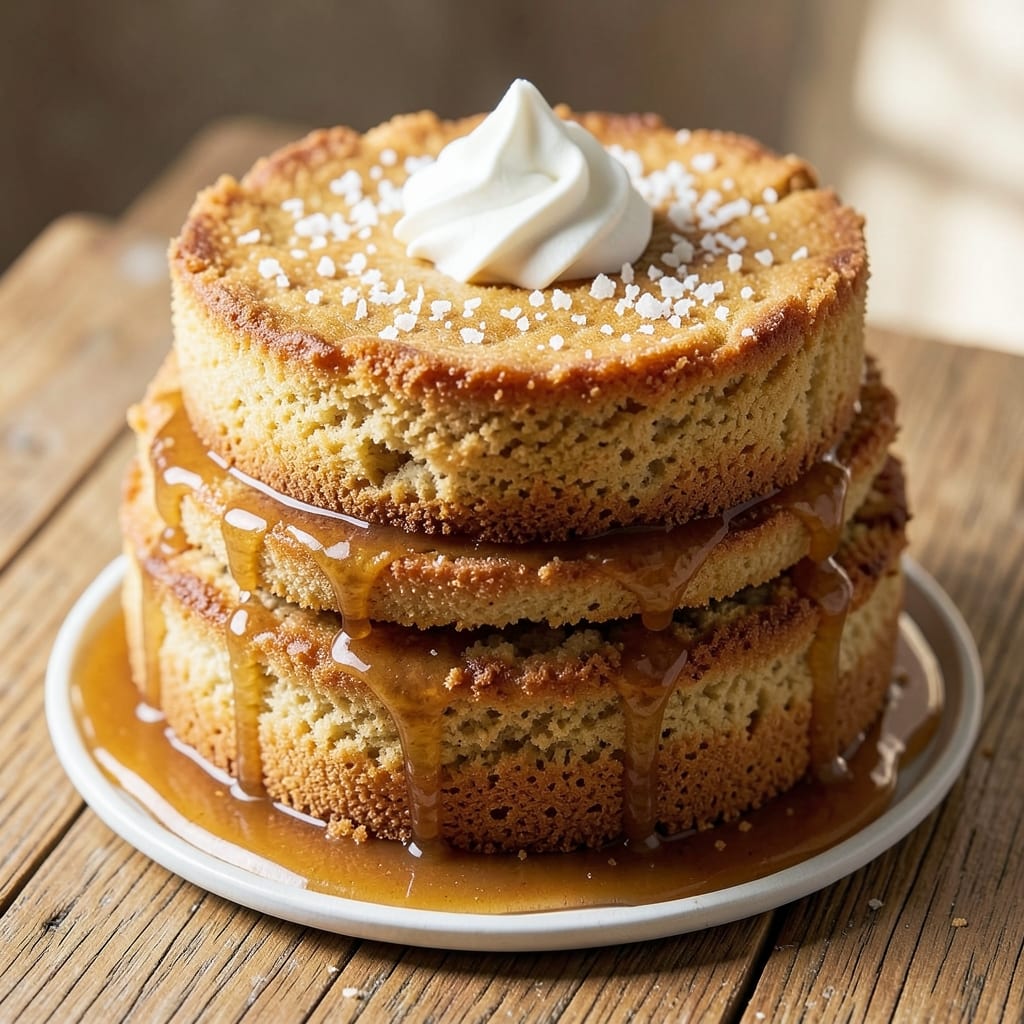
This almond flour honey cake delivers golden crisp edges and an ultra-moist core that stays tender for days. The secret lies in the almond flour's natural richness combined with honey's natural sweetness, creating a cake that's naturally gluten-free but still rich and satisfying. I developed this recipe after years of testing—it's the one that finally convinced even my gluten-sensitive family members to request seconds.
The beauty of this recipe is its simplicity: just six core ingredients, a single bowl, and 35 minutes in the oven. Unlike traditional cakes, almond flour requires gentle handling—no overmixing, no heavy hands. The honey not only sweetens but also keeps the cake moist without needing extra oil. For extra flavor, I often add a touch of lemon zest or vanilla extract, but the base recipe stands strong on its own.
What makes this cake truly special is its texture—crisp at the edges while remaining soft and pillowy in the center. The almond flour gives it a delicate crumb, while the honey ensures it stays moist even after sitting out. Perfect for brunch, dessert, or even as a breakfast treat, this cake is versatile enough to impress at any occasion.
Once you try this recipe, you'll understand why it's become a staple in my baking rotation. The combination of almond flour and honey creates a flavor profile that's both comforting and elegant. Whether you're baking for a special occasion or just craving something delicious, this cake delivers restaurant-quality results with minimal effort. Let's get baking!
Ingredients for almond flour honey cake
Six ingredients, one bowl, and a cake that tastes like restaurant-quality dessert.
| Ingredient | Amount | Notes |
|---|---|---|
| Almond Flour 🌰 | 2 ½ cups | Finely ground, unsweetened |
| Raw Honey 🍯 | 1 cup | Local preferred for flavor |
| Large Eggs 🥚 | 4 whole | Room temperature for even mixing |
| Unsalted Butter 🧈 | ½ cup | Cold, cubed for easier mixing |
| Vanilla Extract 🌿 | 1 tbsp | Pure, high-quality preferred |
| Baking Powder 🍞 | 1 tsp | Aluminum-free for best results |
| Salt 🧂 | ½ tsp | Fine sea salt preferred |
| Lemon Zest 🍋 | 1 tbsp | Optional, for bright flavor |
| Almond Milk 🥛 | ½ cup | Unsweetened, for moisture |
The almond flour is non-negotiable here—Bob's Red Mill or Anthony's Goods are my go-tos, but any finely ground, unsweetened almond flour works. The texture is delicate, so don't overmix once you combine it with wet ingredients. Honey isn't just for sweetness; it's the secret to that ultra-moist core. Local raw honey adds depth, but any liquid honey will do in a pinch. Butter matters too—use cold cubes for easier mixing and better texture. I always grab Plugrá or Organic Valley from the store's organic section.
No almond milk? Oat milk or coconut milk work just as well—just don't use dairy milk, or the cake will taste off. Short on vanilla? Vanilla bean paste at half the amount gives you those little specks. The lemon zest is optional but worth it for brightness—skip it if you're not feeling fancy. For the honey, if you grab something thick like comb honey, warm it gently to make it easier to measure. And if you're worried about overmixing, trust me—a spatula is your friend here, not a whisk.
This cake keeps beautifully—3 days at room temperature wrapped in foil, or up to 5 days in the fridge. For extra crisp edges, reheat slices for 10 seconds in the microwave. I like to make a double batch because it disappears fast. Store leftovers in an airtight container, and if you're planning ahead, freeze portions for up to 3 months. The texture stays perfect when reheated, so it's great for meal prep too.
Why You'll Love This Recipe
- No-Mix Magic: I swear, this cake comes together with just a fork and a bowl—no stand mixer, no sifting, no fuss. The almond flour blends in like a dream, and the honey keeps everything moist without a drop of oil.
- Rich Without Guilt: That butter-honey combo? It’s like dessert had a makeover. The vanilla deepens the flavor, and honestly, the nutty richness hits just right—no heavy syrup or artificial aftertaste here.
- Breakfast or Brunch Hero: Slice it warm with yogurt for a protein-packed morning, or serve it chilled with tea for a fancy afternoon pick-me-up. My coffee shop-loving husband even sneaks bites when he thinks I’m not looking.
- Leftovers That Last: This cake stays fresh for days (yes, I’ve tested this), and the portions are perfect for lunches. Pack a slice for work—it’s sturdy enough to travel, and the almond flour keeps it from getting soggy.
Step-by-step instructions for almond flour honey cake
Here's how to bake a perfectly moist honey cake with crisp edges and tender crumb.
Prep Ingredients for Optimal Texture
First, let the 4 whole large eggs and 0.5 cup unsalted butter sit at room temperature for 15 minutes before starting. This ensures everything mixes smoothly without lumps. While they warm, measure out the 2.5 cups almond flour and sift it lightly with the 1 teaspoon baking powder and 0.5 teaspoon salt into a medium bowl. I like to use a fine-mesh sieve for this—it prevents dense pockets in the cake.
In a separate small bowl, whisk together the 1 cup raw honey, 1 tablespoon vanilla extract, and 1 tablespoon lemon zest. The lemon zest adds a subtle brightness that balances the sweetness, but skip it if you prefer a more neutral flavor. Let this mixture sit while you prepare the other ingredients—it'll blend better when slightly warmed.
Cream Butter and Honey for Lightness
In a large mixing bowl, beat the 0.5 cup unsalted butter (still cold) and 1 cup raw honey together on medium speed for 3-4 minutes until light and fluffy. You're looking for a texture that nearly doubles in volume and becomes pale in color. This step is crucial—it incorporates air that creates that beautiful rise and tender crumb. If your butter is too soft, chill the bowl in the freezer for 5 minutes before starting.
Add the 4 whole large eggs, one at a time, mixing well after each addition. Scrape down the sides of the bowl occasionally to ensure everything combines evenly. Once incorporated, stir in the honey-vanilla mixture until fully blended. The batter should be smooth with a ribbon-like consistency when you lift the beaters.
Combine Dry Ingredients Gently
With the mixer on low speed, gradually add the sifted dry ingredients (the 2.5 cups almond flour, 1 teaspoon baking powder, and 0.5 teaspoon salt) to the wet mixture. Mix just until combined—you should still see some flour streaks. Overmixing develops gluten in the almond flour, which can make the cake dense. Once incorporated, gently fold in the 0.5 cup almond milk using a spatula until just combined. The batter will be thick but pourable.
Here's the thing—almond flour cakes don't rise as dramatically as wheat flour cakes, so we rely on proper mixing and even baking for height. Pour the batter into a 9-inch round cake pan lined with parchment paper, smoothing the top with a spatula. Tap the pan gently on the counter to release any air bubbles, then let it rest at room temperature for 10 minutes before baking.
Bake Until Golden and Springy
Preheat your oven to 350°F and place a small baking dish filled with 1 cup hot water on the lower rack. This creates steam that keeps the cake moist. Bake the cake for 35-40 minutes, or until the top is golden brown and a toothpick inserted in the center comes out with a few moist crumbs (not wet batter). The edges should pull away slightly from the pan, indicating proper doneness.
Real talk: Almond flour cakes can dry out quickly if overbaked, so start checking at the 30-minute mark. If the top browns too fast, loosely tent the cake with foil after 20 minutes to prevent over-browning while the center finishes baking. Let the cake cool in the pan for 10 minutes, then transfer to a wire rack to cool completely before slicing.
Serve at Room Temperature for Best Texture
The cake is best served at room temperature, which allows the flavors to fully develop. I like to dust the top with a little extra lemon zest or drizzle with warmed raw honey for added brightness. Each slice should have a crisp exterior with a moist, tender crumb—no dryness here. Store leftovers in an airtight container at room temperature for up to 3 days, or refrigerate for up to 5 days (though I rarely have leftovers).
This cake keeps well, so you can make it a day ahead for gatherings—just reheat slices in the oven at 300°F for 5 minutes to restore freshness. The honey keeps it naturally moist, and the almond flour gives it a delicate, slightly nutty flavor that pairs perfectly with tea or coffee.
Pro Tips For Making Almond Flour Honey Cake
- Warm Almond Flour First: Mixing cold almond flour straight into wet ingredients creates clumps like wet sand—no one wants that texture. Spread it on a baking sheet and toast at 300°F for 5-7 minutes until it smells nutty. This also prevents a dense, gummy cake, and the flavor? Way more developed.
- Weigh Your Honey: That jar of honey you’ve had for years isn’t the same as fresh, raw honey—thickness varies wildly. Use a kitchen scale for precise measurements (about 120g for a standard recipe) instead of eyeballing it. Too little honey = dry cake; too much = sticky mess that won’t set.
- Don’t Overmix the Batter: Almond flour releases gluten when overworked, turning your tender cake into a chewy brick. Mix just until the eggs are barely incorporated—about 20 seconds with a spatula. Fold in any dry bits, then stop. Your future self will thank you when slicing is effortless.
- Bake at 325°F, Not Higher: Almond flour burns faster than wheat flour, and honey caramelizes like crazy. If your oven runs hot (like mine does), reduce to 325°F and check at 25 minutes. A toothpick should come out with moist crumbs, not wet batter or brown streaks. Overbaking = sad, dry cake.
Troubleshooting your almond flour honey cake
Cake Too Dense
If your cake turns out dense instead of light and fluffy, you likely overmixed the batter. Almond flour doesn't contain gluten, so it can't handle aggressive mixing like wheat flour. Mix just until combined—about 10-15 seconds after the dry ingredients disappear. Also, ensure your butter and eggs are room temperature—cold ingredients can prevent proper emulsification. 🌰
Cracked Top
A cracked top often means the cake baked too quickly or the oven was too hot. Lower your oven temperature to 325°F and bake for 40-45 minutes instead of the recommended 350°F. Place a baking dish with 1 cup hot water on the lower rack to create steam, which helps the cake rise evenly. If cracks still appear, try baking in a light-colored metal pan instead of dark-colored ones.
Dry or Crumbly Texture
Dryness usually happens when the cake is overbaked or the honey wasn't incorporated properly. Check for doneness at 30 minutes—a toothpick should come out with moist crumbs, not dry ones. For extra moisture, add 1 extra tablespoon of almond milk to the batter. If storing, keep the cake in an airtight container with a slice of apple or bread to retain moisture overnight.
Pale or Uneven Color
For a golden-brown finish, ensure your oven is fully preheated and place the cake on the middle rack. If the top stays pale, brush it lightly with warmed honey or egg wash (1 egg + 1 tbsp water) before baking. Avoid opening the oven door during the first 20 minutes—temperature fluctuations can cause uneven browning. A dark-colored pan also helps achieve a richer color.
Soggy Bottom
A soggy bottom means the cake didn't bake long enough or the pan wasn't properly prepped. Always line your 9-inch round pan with parchment paper and avoid greasing it too heavily. Bake for the full 35-40 minutes, then let the cake cool in the pan for 10 minutes before transferring. If using a glass pan, reduce baking time by 5 minutes—glass conducts heat differently.
Flat or Sunken Center
A flat or sunken center often means the cake wasn't baked long enough or the oven wasn't hot enough. Double-check your oven temperature with an oven thermometer—many ovens run 25°F cooler than set. If the center sinks after baking, try adding ½ teaspoon extra baking powder to the dry ingredients. Also, ensure your almond flour is finely ground—coarse flour can create air pockets that prevent proper rising. ✨
Nutrition facts
Frequently asked questions
Can I substitute almond flour for another gluten-free flour?
While you can use other gluten-free flours like coconut or oat flour, almond flour provides the best texture and nutty flavor. If substituting, use a 1:1 ratio but add 1 extra egg to help bind the cake. Coconut flour absorbs more liquid, so you may need to add 2-3 extra tablespoons of almond milk to the batter. For a lighter texture, a blend of almond flour and 1/4 cup tapioca starch works well too.
Why does my honey cake turn out dry?
Dryness usually happens from overbaking or not enough moisture in the batter. Check doneness at 30 minutes—a toothpick should come out with moist crumbs, not dry ones. For extra moisture, add 1 extra tablespoon of almond milk or brush warm honey on the top before baking. Store leftovers in an airtight container with a slice of apple or bread to keep them fresh longer.
Can I make this cake without eggs?
Yes! Replace the 4 eggs with 4 tablespoons of ground flaxseed mixed with 10 tablespoons of water (let sit for 5 minutes to thicken) or 1/2 cup unsweetened applesauce. For best results, also reduce the almond milk by 2 tablespoons to maintain proper batter consistency. The texture will be slightly denser but still delicious.
How do I make this cake vegan?
To make it vegan, replace the honey with 1 cup maple syrup or agave nectar, use vegan butter, and substitute the eggs with 4 tablespoons flaxseed meal + 10 tablespoons water or 1/2 cup aquafaba. The almond milk should already be vegan-friendly. Taste as you go—vegan sweeteners can be more intense, so you may want to reduce by 1-2 tablespoons if needed.
Can I add chocolate chips or nuts to this recipe?
Fold in 1/2 cup chocolate chips or chopped nuts (walnuts, pecans, or hazelnuts work well) after combining the wet and dry ingredients. For chocolate, use dark or semi-sweet chips to complement the honey's sweetness. Add them gently with a spatula to avoid overmixing. If using nuts, toast them first for 5 minutes at 350°F to enhance their flavor.