
Desserts
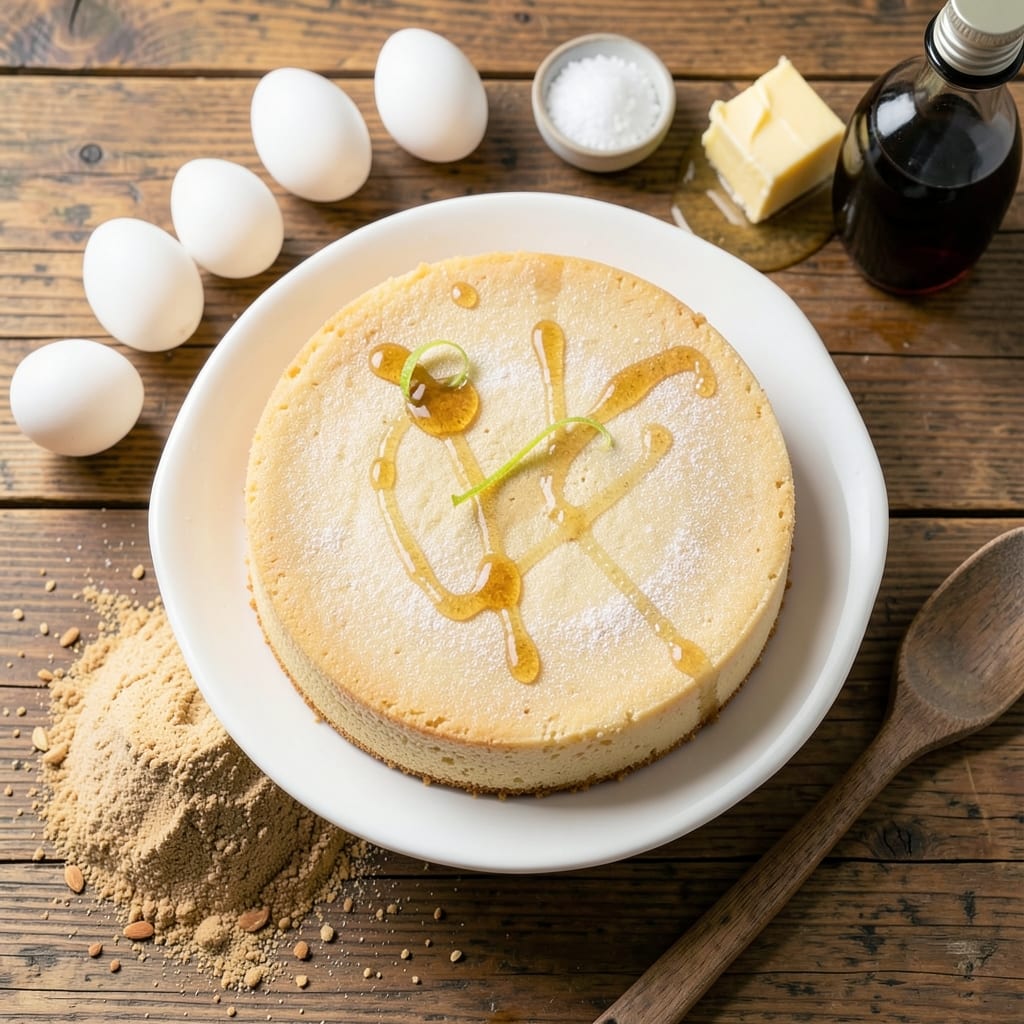
This almond flour sponge cake delivers light, airy texture without gluten or heavy ingredients—perfect for dietary restrictions or anyone craving a delicate dessert. The secret lies in properly hydrating the almond flour and folding egg whites to cloud-like perfection. I developed this recipe after years of testing, ensuring it rises beautifully while staying moist for hours.
The batter comes together in 10 minutes with just 6 ingredients, including eggs for structure and a touch of honey for subtle sweetness. Baking at 350°F for 25-30 minutes yields a golden dome with a tender crumb that crumbles slightly at the edges. The cake's natural nutty flavor makes it versatile—serve plain, dusted with powdered sugar, or topped with fresh berries.
What sets this apart is its foolproof folding technique that prevents dense results, a common pitfall with almond flour. The recipe accommodates both egg-based and vegan versions (using aquafaba), so you can adapt it to your needs. Each slice reveals a delicate, almost ethereal texture that pairs beautifully with tea or coffee.
For extra elegance, brush the cooled cake with a simple lemon glaze or drizzle with melted dark chocolate. The possibilities are endless while maintaining that signature lightness. Let's get baking!
Ingredients for almond flour sponge cake
Six ingredients, one bowl, and a technique that transforms almond flour into ethereal lightness.
| Ingredient | Amount | Notes |
|---|---|---|
| Almond Flour 🌰 | 2 cups | Finely ground, blanched preferred |
| Large Egg Whites 🥚 | 6 whole | Room temperature, separated |
| Granulated Sugar 🍚 | ¾ cup | Superfine preferred for smoothness |
| Unsalted Butter 🧈 | ¼ cup | Cold, cubed for folding |
| Pure Vanilla Extract 🌸 | 1 tsp | High-quality, pure vanilla |
| Honey 🍯 | 2 tbsp | Light variety for subtle sweetness |
| Diamond Crystal Kosher Salt 🧂 | ¼ tsp | Fine grain for even distribution |
| Lemon Zest 🍋 | 1 tbsp | Fresh, finely grated |
| Powdered Sugar 🍚 | ¼ cup | For dusting, optional garnish |
Almond flour is the foundation, so choose finely ground, blanched almond flour for optimal texture—unblanched can add bitterness. Bob's Red Mill and Anthony's Goods are reliable brands, but check the particle size; finer means lighter cake. Store it in an airtight container to prevent oxidation, which dulls its delicate flavor. For the egg whites, room temperature is critical—they whip to stiffer peaks when properly tempered, ensuring that signature cloud-like structure. If you're short on time, separate them 10 minutes ahead and let them sit covered at room temperature.
No vanilla extract? Vanilla bean paste at half the amount delivers similar depth, though with flecks. Substituting honey? Maple syrup works in a pinch, but it carries a stronger flavor profile—reduce to 1.5 tbsp if you prefer subtlety. The butter must be cold; if it softens during folding, chill the bowl for 10 minutes. For a vegan adaptation, replace egg whites with 6 tbsp aquafaba (chilled overnight), whipped to stiff peaks. The lemon zest can be omitted if you dislike citrus notes, but it brightens the nutty undertones—organic lemons yield more zest with fewer seeds.
This cake keeps beautifully for 3 days wrapped in parchment at room temperature, but it's best enjoyed within 24 hours for maximum moisture. For longer storage, slice and freeze portions for up to 3 months—thaw at room temperature before serving. The powdered sugar dusting is optional but adds a professional finish; store it in an airtight container with a silica gel packet to prevent clumping. To revive slightly dried slices, warm them briefly in a 200°F oven for 5-7 minutes with a splash of water in the pan.
Why You'll Love This Recipe
- No Mixer Needed: I swear by this—just whisk the egg whites until stiff peaks form, fold in the almond flour, and let the buttercream magic happen. No stand mixer, no fuss, just a bowl and a hand mixer (or elbow grease if you're feeling old-school).
- Buttery Vanilla Bliss: That whisper of vanilla extract in the egg whites? It’s like a hug for your taste buds. The buttercream topping—just melted butter and sugar, whipped together—adds a richness that makes every bite feel like a little indulgence.
- Weeknight Dessert Hero: Slice it for breakfast, pack it for lunch, or serve it at a brunch. It’s sturdy enough to handle travel but light enough to feel special. Honestly, I’ve had it cold, room temp, and even reheated—all solid.
- Zero Waste Leftovers: This cake keeps beautifully for days, wrapped in parchment. I’ve fed it to coworkers, packed it for road trips, and even used the scraps for almond flour pancakes. No sad, dried-out cake here—just pure, reliable deliciousness.
Step-by-step instructions for almond flour sponge cake
This method delivers a perfectly light, gluten-free sponge with tender crumb and delicate texture.
Whip Egg Whites to Stiff Peaks
In a spotlessly clean mixing bowl, combine the 6 whole large egg whites and the 0.25 tsp diamond crystal kosher salt. Using a stand mixer fitted with the whisk attachment, beat on low speed until frothy. Gradually increase to high speed and whip for 5-7 minutes until the egg whites form stiff, glossy peaks that hold their shape when the whisk is lifted.
Here's the thing—this step makes or breaks your cake. You'll know they're ready when the peaks stand straight up and the bowl feels cool to the touch. Avoid over-whipping, which can make the cake dense. If you accidentally deflate them, simply start over with fresh egg whites.
Gradually Incorporate Sugar and Flavors
With the mixer still running on low speed, gradually add the 0.75 cup granulated sugar in a slow, steady stream. Increase speed to medium and beat for another 3-4 minutes until the meringue is thick, pale, and ribbon-like—when you lift the whisk, the meringue should form soft ribbons that hold their shape.
In a separate bowl, whisk together the 2 cups almond flour, 2 tbsp honey, 1 tsp pure vanilla extract, and 1 tbsp lemon zest. Gently fold this dry mixture into the meringue using a spatula, working from the bottom up in a scooping motion. Be careful not to deflate the egg whites—this is where precision matters most.
Fold in Butter for Richness
Cut the 0.25 cup unsalted butter into small cubes and fold them into the batter using the same gentle scooping technique. The butter should be cold to prevent melting, which would deflate the batter. Continue folding until the butter is fully incorporated and the batter is smooth and uniform in texture.
This step adds moisture and richness without heaviness. If the batter looks too thick, you can gently fold in 1-2 tablespoons of water to achieve the right consistency. The batter should be thick enough to hold its shape but still flow smoothly when poured.
Bake to Golden Perfection
Preheat your oven to 350°F and line a 9-inch round cake pan with parchment paper, ensuring it extends up the sides to prevent sticking. Pour the batter into the prepared pan and smooth the top with a spatula. Bake for 25-30 minutes until the top is golden brown and a toothpick inserted into the center comes out clean.
Here's where it gets tricky—almond flour cakes can dry out quickly. If the edges brown too fast, tent the cake with foil after 15 minutes to prevent over-browning while ensuring the center cooks through. The cake should spring back slightly when pressed gently in the center.
Cool and Dust with Powdered Sugar
Remove the cake from the oven and let it cool in the pan for 10 minutes. Then, transfer it to a wire rack to cool completely. Once fully cooled, dust the top with 0.25 cup powdered sugar using a fine-mesh sieve for an elegant finish.
This cake is best served at room temperature, allowing the flavors to fully meld. The almond flour gives it a subtle nutty depth, while the lemon zest and honey add brightness and natural sweetness. Slice with a sharp knife for clean, even portions—this cake is delicate but sturdy enough to hold its shape.
Pro Tips For Making Almond Flour Sponge Cake
- WHIP EGGS TO STIFF PEAKS: You’re not done when they look fluffy—keep whipping until the meringue leaves a sharp peak when you lift the beaters. I learned this the hard way when my first batch collapsed like a sad soufflé. Almond flour doesn’t hold moisture like wheat, so the structure has to come from those egg whites.
- SIFT ALMOND FLOUR FIRST: Packed almond flour = dense, brick-like cake. Lightly sift it before measuring, then gently fold it into the egg whites in three additions. Sounds tedious, but it’s the thing that matters most for that airy texture. (Yes, even if you’re impatient like me.)
- DON’T OVERMIX THE BUTTER: Once you fold in the softened butter, stop as soon as it’s just combined. Overworking it deflates the egg whites and turns your sponge into a sad, flat pancake. Think "marble streaks," not "smooth batter."
- BAKE UNTIL SPRINGY: The cake’s edges might look set before the center bounces back when pressed—that’s your cue to pull it. Almond flour cakes dry out fast, so resist the urge to bake longer for "even browning." A toothpick with a few crumbs? Perfect. A dry toothpick? You’ve gone too far.
Wine and beer pairings for this almond flour sponge cake
White Wine Pairings
For this delicate almond flour sponge, I reach for dry sparkling wines like Prosecco or Champagne—their effervescence cuts through the cake's richness while enhancing its nutty notes. The acidity in Pinot Grigio from Italy also complements the lemon zest beautifully, balancing the natural sweetness without overpowering it. 🍷
Sweet Wine Options
If you prefer something sweeter, Moscato d'Asti adds a fruity contrast that pairs wonderfully with the honey and vanilla. For a more robust pairing, try Riesling with its bright citrus notes—it mirrors the lemon zest and adds a refreshing finish. I find that off-dry Rieslings work best, as they provide enough sweetness without clashing with the cake's delicate texture.
Beer Pairings
A crisp Belgian witbier like Hoegaarden brings a citrusy, spiced complexity that enhances the lemon and almond flavors. For a lighter option, Pilsner with its clean, slightly bitter profile balances the cake's sweetness beautifully. Avoid heavy stouts or IPAs—they can overpower the delicate crumb. 🍺
Non-Alcoholic Options
For a refreshing non-alcoholic match, try sparkling apple cider—its crisp acidity and subtle sweetness echo the cake's honey and lemon notes. Alternatively, hibiscus iced tea adds a tart, floral contrast that pairs surprisingly well with the nutty base. Both options keep the experience light and refreshing, just like the cake itself.
Coffee Pairing
If you're serving this cake after dinner, a light roast coffee with notes of citrus or nutty undertones works beautifully. I love a Colombian or Ethiopian blend—its bright acidity and subtle fruitiness complement the cake's honey and vanilla without competing. A small cup of espresso also cuts through the richness, cleansing the palate for another bite. ☕
Seasonal Adaptations
In summer, I serve this cake with chilled sparkling rosé—its berry notes and crisp acidity make it a perfect match for warm weather. For fall, a dry Riesling with its autumnal spice undertones enhances the cake's natural flavors. The key is always balancing the wine's acidity and sweetness with the cake's delicate texture and nutty depth. 🍂
Nutrition facts
Frequently asked questions
Why does my almond flour sponge cake turn out dense?
The most common cause is overmixing the egg whites or deflating them when folding in dry ingredients. Use a clean, grease-free bowl for whipping egg whites to stiff peaks (they should stand straight up), and fold gently with a spatula from the bottom up. Also, ensure your almond flour is finely ground—coarse particles can create a heavier texture.
Can I substitute almond flour for another nut flour?
Yes, but results will vary. Cashew flour works similarly for texture, while hazelnut flour adds richer flavor. However, almond flour's natural fat content creates the signature lightness—substitutes may yield slightly denser cakes. If using another nut flour, reduce the amount by 10% and add 1 tbsp extra egg white per cup to maintain structure.
How do I make this recipe vegan?
Replace the egg whites with 6 tbsp aquafaba (chilled overnight), whipped to stiff peaks using a mixer. For the butter, use 0.25 cup vegan butter or coconut oil (solid at room temperature). The honey can be swapped for 2 tbsp maple syrup, and add 0.5 tsp apple cider vinegar to the aquafaba to help stabilize the meringue.
Why does my cake crack on top?
Cracking often happens when the oven temperature fluctuates or the cake bakes too quickly. Preheat your oven thoroughly for 15 minutes before baking, and avoid opening the door during the first 20 minutes. For even baking, place a pan of water on the lower rack to create steam. If cracks appear, they're usually just cosmetic—just dust with powdered sugar!
Can I bake this in a different pan size?
Yes, but adjust the baking time. A 8-inch pan will bake 10-15 minutes faster, while a 10-inch pan may need 5-10 minutes longer. For best results, bake until a toothpick comes out clean. If using a non-round pan, consider tenting with foil after 15 minutes to prevent over-browning at the edges.