
Desserts
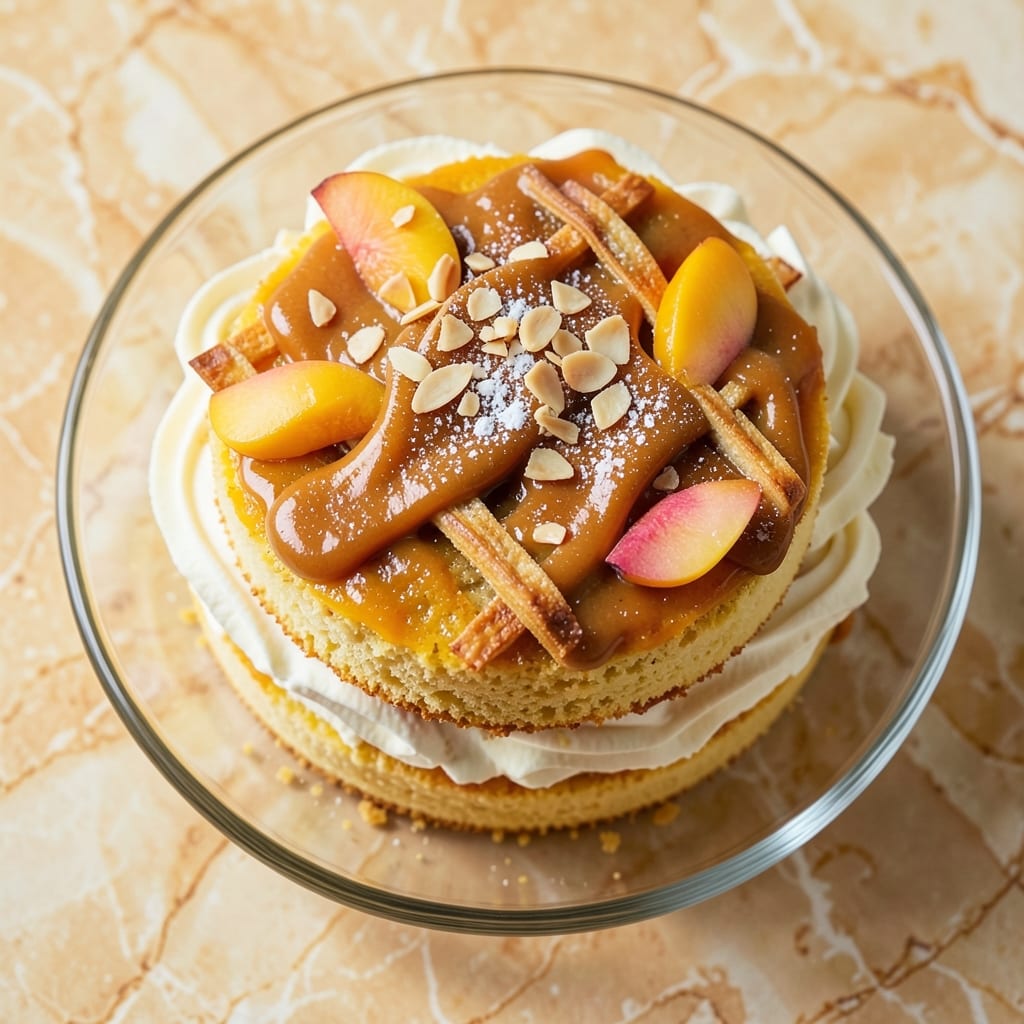
This Alphonso mango cake recipe captures the essence of summer in every bite—juicy mango chunks nestled in a tender crumb, crowned with a golden, caramelized crust. 🌟 The secret lies in balancing ripe Alphonso mangoes with a moist sponge batter, creating a dessert that’s both rustic and refined. I’ve perfected this recipe over years of baking, ensuring the mango flavor shines without overpowering the delicate cake layers.
The cake begins with a simple yet foolproof batter—just eggs, sugar, and flour—infused with vanilla and a touch of baking powder for lift. The magic happens when you fold in fresh Alphonso mango chunks, their vibrant orange color and sweet-tart flavor transforming the cake into something extraordinary. Baking at 350°F for 30-35 minutes ensures a tender crumb with just the right amount of structure.
What makes this recipe truly special is the caramelized topping—a mix of melted butter, sugar, and a splash of mango pulp—that creates a glossy, golden crust when broiled. This not only adds texture but also intensifies the mango flavor, making each slice feel like a little taste of paradise. The cake is best served slightly warm, with a dusting of powdered sugar or a drizzle of mango glaze for extra elegance.
Whether you’re baking for a celebration or simply craving a taste of summer, this Alphonso mango cake delivers restaurant-quality results at home. The recipe is adaptable—try gluten-free flour or a dairy-free butter substitute for dietary needs without sacrificing flavor. Let’s get baking!
Ingredients for alphonso mango cake
Eight essential ingredients transform into a summer masterpiece—juicy mango and golden caramel crust.
| Ingredient | Amount | Notes |
|---|---|---|
| Large Eggs 🥚 | 4 whole | Room temperature for even mixing |
| Granulated Sugar 🍚 | 2 cups | White or light brown preferred |
| All-Purpose Flour 🌾 | 2 cups | Sifted before mixing |
| Pure Vanilla Extract 🌸 | 1 tbsp | High-quality, no alcohol needed |
| Baking Powder 🍞 | 1 tsp | Freshly opened for lift |
| Salt 🧂 | ½ tsp | Fine sea salt preferred |
| Ripe Alphonso Mangoes 🥭 | 2 whole | Peeled, pitted, cubed (about 2 cups) |
| Unsalted Butter 🧈 | ½ cup | Cold, cubed for caramel topping |
| Powdered Sugar 🍚 | ¼ cup | For dusting and caramel glaze |
| Mango Pulp 🍹 | ¼ cup | From reserve mango chunks, blended |
Alphonso mangoes are the star—look for vibrant orange skin and a sweet-tart aroma. Whole Foods or specialty Indian markets usually carry them year-round, but frozen works in a pinch (thaw and drain well). The butter matters too: Plugrá or Land O’Lakes are reliable for a rich caramel topping. Freshness is key here—ripe mangoes should yield slightly to gentle pressure, not be mushy. For the flour, King Arthur or Gold Medal brands are ideal for a tender crumb, but any all-purpose will do.
No Alphonso mangoes? Atul or Kent varieties are close seconds, though less sweet. Substitute with 2 cups of mixed tropical fruit (pineapple, peaches) if needed, but the flavor won’t be identical. For the caramel topping, brown sugar can replace half the granulated sugar for deeper flavor. If you’re avoiding dairy, Earth Balance vegan butter works beautifully—just reduce by 1 tbsp to account for lower fat content. The baking powder must be fresh: if it’s over 6 months old, test it by mixing with water (should fizz).
Store ripe mangoes at room temperature for 2 days max—they soften quickly. The cake batter can be prepped 8 hours ahead and refrigerated, covered. For the caramel topping, make it fresh before broiling to ensure a glossy finish. Leftovers keep 3 days in an airtight container, though they’re best enjoyed the first day. Freeze slices for up to 2 months—thaw at room temperature before serving.
Why You'll Love This Recipe
- No Mash Needed: I swear by this trick—just fold in the diced Alphonso mango straight into the batter. No pre-cooking, no sticky mess, and the fruit stays vibrant. The eggs and sugar work together to keep it moist without a trace of gloopiness.
- Sunshine in Every Bite: That vanilla extract? It’s the secret weapon. Paired with the sweet-tart Alphonso mango, it turns this cake into pure summer nostalgia. The baking powder gives it just enough lift so it’s light, not dense—like a cloud with a fruity punch.
- Weekday Hero: Between us, this is my go-to for lunchboxes or last-minute guests. Slice it, wrap it in parchment, and it stays fresh for days. Honestly, I’ve sent slices to work in my thermos—still perfect hours later.
- Pantry Staple Magic: You already own everything. Eggs, sugar, flour? Check. Vanilla extract? Probably in your spice drawer. No specialty ingredients, no last-minute grocery runs. And if you bake a whole sheet pan, you’ll have dessert for breakfast the next morning.
Step-by-step instructions for Alphonso mango cake
Here's how to create a tender cake with juicy mango bursts and a caramelized top.
👨🍳 Step 1: Prepare the Mango Filling and Prep Ingredients
Start by peeling and pitting the 2 whole ripe Alphonso mangoes, then cube them into ½-inch pieces (about 2 cups). Reserve ½ cup of these chunks for the filling and blend the remaining 1½ cups with the 0.25 cup mango pulp until smooth. This creates a vibrant mango puree that will infuse the cake.
Sift together the 2 cups all-purpose flour, 1 tsp baking powder, and 0.5 tsp salt in a medium bowl. This removes lumps and ensures a light, airy texture. In a separate bowl, whisk the 4 whole large eggs until frothy, then gradually add the 2 cups granulated sugar while whisking constantly. The mixture should become pale and slightly thickened—this is the base for our tender crumb.
🍳 Step 2: Combine Wet Ingredients and Fold in Mango
Gently fold the sifted dry ingredients into the egg-sugar mixture in 3 additions, mixing just until combined. Avoid overmixing—you should still see small flour streaks. Stir in 1 tbsp pure vanilla extract and ½ cup of the reserved mango chunks, distributing them evenly throughout the batter. The mango pieces will create pockets of juicy surprise in every bite.
Transfer half of the batter to a 9-inch round cake pan lined with parchment paper. Spoon the remaining 0.25 cup mango puree over the batter, then add the rest of the batter on top. Finally, arrange the remaining ½ cup mango chunks in an even layer across the surface. This layering ensures each slice delivers both cake and fruit in perfect balance.
🔥 Step 3: Bake Until Golden and Springy
Preheat your oven to 350°F and bake the cake for 40-45 minutes, or until a toothpick inserted in the center comes out clean with just a few moist crumbs (not wet batter). The top should be golden brown with a slight crack in the center—this indicates proper doneness. If the edges brown too quickly, loosely tent the pan with aluminum foil after 25 minutes to prevent over-browning.
While the cake bakes, prepare the caramel topping by melting the 0.5 cup unsalted butter in a small saucepan over low heat. Remove from heat and whisk in 0.25 cup powdered sugar until smooth. This will create a glossy, golden drizzle that complements the mango's sweetness perfectly.
⏰ Step 4: Finish with Caramel and Dusting
Once the cake is baked, immediately pour the caramel topping evenly over the warm cake. Let it cool in the pan for 10 minutes, then transfer to a wire rack to cool completely. This resting period allows the cake to set while the caramel sets into a glossy glaze.
Before serving, dust the top generously with the remaining 0.25 cup powdered sugar using a fine-mesh sieve. This creates a snowy contrast against the golden caramel and enhances the visual appeal. Cut into 8 equal slices and serve at room temperature for the perfect balance of tender cake, juicy mango, and rich caramel.
Pro Tips For Making Alphonso Mango Cake
- Whisk Eggs Until Ribbon Stage: Stop when the egg mixture holds a slow ribbon—about 30 seconds after it starts to thicken. I learned this the hard way by over-whisking and ending up with a cake that was dense instead of light. The mango flavor needs room to shine, so don’t overdo it. ---
- Sift Flour Twice: Sift the flour before mixing with baking powder, then sift again after combining. This prevents lumps and guarantees even distribution of leavening—no one wants a cake with random pockets of flatness. Yes, it’s extra work, but it’s worth it. ---
- Skip the Overmixing: Fold in the dry ingredients just until combined—about 10 strokes with a spatula. I used to mix until the batter was smooth, and the result was always tough. The vanilla extract will add enough moisture; don’t overwork it. ---
- Use Room-Temp Eggs: Take the eggs out of the fridge 30 minutes before using. Cold eggs won’t incorporate as well, and the batter will be lumpy. I was skeptical until I tried it—now it’s non-negotiable for a tender crumb.
Serving suggestions for this recipe
Garnish Like a Pro
Elevate your cake with a mint garnish—fresh mint leaves add a bright, herbal contrast that cuts through the sweetness. Tear 6-8 leaves and scatter them over the caramel before dusting with powdered sugar. For extra flair, use a star-shaped cookie cutter to create powdered sugar snowflakes on top. 🌟
Warm vs. Room Temp
Serve the cake warm for a gooey, comforting experience—slice it when it’s still slightly warm from the oven, around 100-110°F internal temperature. The caramel will be softer and more decadent. For a firmer texture, let it cool completely to room temperature before serving, which works better for transporting or a more structured bite.
Pair with Tea
This cake pairs beautifully with chai tea or masala chai—the warm spices like cinnamon and cardamom complement the mango’s tropical sweetness. For a non-alcoholic option, serve with hibiscus iced tea, which adds a tart contrast. If you prefer coffee, a light vanilla latte keeps the flavors balanced without overpowering the cake.
Dessert Board Styling
Create a stunning dessert board by arranging slices alongside whipped cream dollops and toasted coconut flakes. Use a gold leaf sprinkle for a luxurious touch, or add edible gold leaf for a festive look. Serve with small spoons for scooping up the caramel drizzle—it’s perfect for sharing at parties or special occasions. ✨
Leftovers Reinvented
Transform leftover cake into mango cake truffles by crumbling it and mixing with ½ cup cream cheese and 2 tbsp mango puree. Roll into balls, dip in melted chocolate, and chill for 1 hour. Store in an airtight container for up to 5 days. This is a fun way to repurpose slices without waste!
Seasonal Serving Ideas
In summer, serve the cake chilled with a scoop of vanilla bean ice cream for a refreshing treat. During winter holidays, pair it with spiced rum sauce—warm ½ cup heavy cream with 2 tbsp rum, 1 tsp cinnamon, and 1 tbsp brown sugar—to add warmth and depth. The contrast of seasons makes the cake feel even more special. 🍽️
Nutrition facts
Frequently asked questions
Can I substitute Alphonso mangoes with other varieties?
While Alphonso mangoes are ideal due to their perfect sweet-tart balance, you can use Atul or Kent varieties as close substitutes. For a similar texture, blend any ripe mango into puree and adjust the sugar in the batter slightly (reduce by 1 tbsp if using sweeter varieties like Tommy Atkins). Frozen mango works too—thaw and drain well to avoid excess moisture.
Why did my cake turn out dense instead of light?
Overmixing the batter or using old baking powder are the most common causes. Always mix just until combined (small flour streaks should remain) and ensure your baking powder is fresh (test by mixing with water—it should fizz). Also, don't overfill the pan—this recipe should use a 9-inch round pan filled only ⅔ full to allow proper rising.
How do I store and reheat leftover cake?
Keep leftovers in an airtight container at room temperature for up to 3 days or refrigerate for 5 days. To reheat, wrap a slice in foil and warm in a 300°F oven for 5-7 minutes—this revives the caramel topping beautifully. For microwave reheating, use 10-second bursts on low power to avoid drying out the cake.
Can I make this cake gluten-free?
Yes! Replace the 2 cups all-purpose flour with a 1:1 gluten-free baking flour blend (like Bob's Red Mill). Add ½ tsp xanthan gum to improve texture. You may need to reduce the oven temperature by 25°F (to 325°F) and bake for 5-10 minutes longer to prevent over-browning. Test for doneness with a toothpick—it should come out clean.
What's the secret to the perfect caramel topping?
The key is using cold butter and low heat when melting it. Whisk in the powdered sugar immediately after removing from heat to prevent graininess. For extra shine, add ½ tsp lemon juice to the caramel mixture before drizzling. Always pour the caramel over the warm cake—this helps it set into a glossy glaze rather than absorbing into the cake.