
Desserts
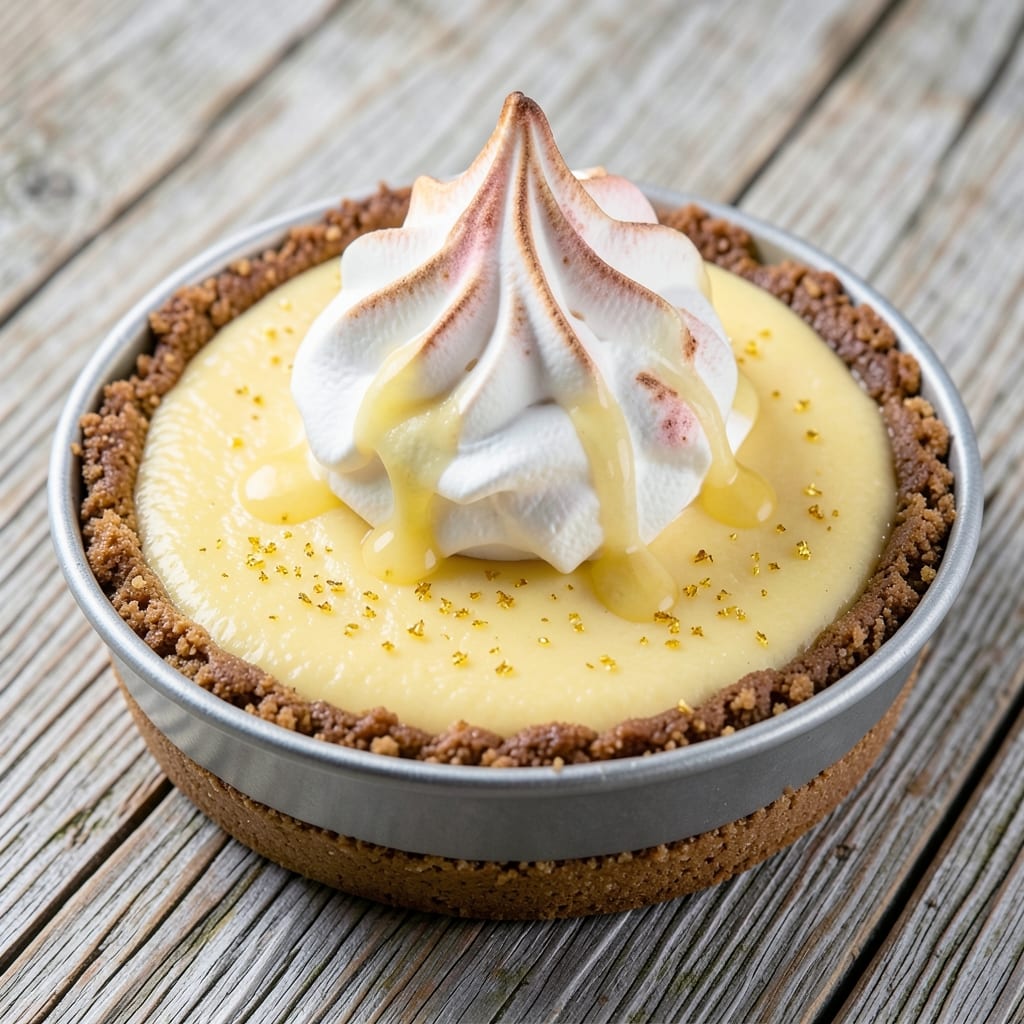
This Amalfi lemon meringue cheesecake recipe brings the sun-drenched coast of Italy to your dessert table with a perfect marriage of tangy lemon and airy meringue. The secret lies in a buttery graham cracker crust infused with Amalfi sea salt, a vibrant lemon curd filling that balances sweet and tart, and a torched meringue topping that creates that signature cloud-like texture. I've perfected this recipe over years of baking, ensuring each slice delivers that luxurious Italian flair with a modern twist.
The beauty of this cheesecake is in its layers—each one carefully crafted to create harmony. The crust, made with graham crackers and a touch of melted butter, provides a sturdy base that holds up to the creamy filling. The lemon curd, infused with fresh lemon zest and juice, adds a burst of citrus flavor that cuts through the richness of the cheesecake. Baking at 350°F ensures a smooth, jiggly center that's just set around the edges, while the meringue topping, torched to golden perfection, adds a delightful crunch.
What makes this cheesecake truly special is the fusion of traditional Italian flavors with modern techniques. The Amalfi-inspired sea salt garnish on the crust adds a subtle, coastal touch, while the torched meringue gives it that elegant, restaurant-quality finish. The result is a dessert that's as visually stunning as it is delicious, with a balance of textures—creamy, tangy, and crispy—that will impress even the most discerning dessert lovers.
Perfect for special occasions or when you want to treat yourself to something extraordinary, this cheesecake is sure to become a crowd-pleaser. The recipe is designed to be approachable yet impressive, making it ideal for both beginners and experienced bakers. Let's dive into the steps to create this showstopping dessert that tastes like a vacation in every bite.
Ingredients for amalfi lemon meringue cheesecake
Sunshine in a slice—these ingredients bring Amalfi's zesty charm to your kitchen.
| Ingredient | Amount | Notes |
|---|---|---|
| Graham Crackers 🍪 | 2 cups | Crushed into fine crumbs |
| Unsalted Butter 🧈 | ½ cup | Melted, full-fat preferred |
| Granulated Sugar 🍚 | 1 ½ cups | For crust and filling |
| Fresh Lemons 🍋 | 6 whole | Zest + juice, organic preferred |
| Large Eggs 🥚 | 4 whole | Room temperature for best mixing |
| Egg Whites 🥚 | 5 large | Fresh, room temperature |
| Cream Cheese 🧀 | 32 oz | Full-fat, room temperature |
| Heavy Whipping Cream 🥛 | 1 cup | Full-fat for best texture |
| Amalfi Sea Salt 🧂 | 1 tsp | For crust garnish (or substitute kosher) |
| Vanilla Extract 🌿 | 1 tsp | Pure Madagascar preferred |
| Cornstarch 🌾 | 1 tbsp | For lemon curd stability |
The crust starts with graham crackers—not the pre-crumbled stuff, but fresh ones crushed in a food processor. Honey Maid or Keebler work perfectly, but any sturdy graham cracker will do. For the butter, Land O'Lakes or Plugrá are my go-tos, but any full-fat butter works. The lemon juice should be fresh-squeezed—bottled just won't cut it. I always grab organic Meyer lemons from the store when they're in season, but regular lemons work too. The cream cheese needs to be at room temperature—this is non-negotiable. Philadelphia is reliable, but Kirkland Signature is a great budget option. Pro tip: take the block out of the fridge 24 hours ahead of time to ensure it's perfectly soft.
No room-temperature cream cheese? Microwave it for 20 seconds—just until it softens. Short on lemon juice? Lemon extract at half the amount works, but it lacks the fresh brightness. The egg whites are critical—fresh is non-negotiable. If they're more than a week old, they won't whip properly. For the sea salt, Maldon or Diamond Crystal are ideal, but any fine sea salt will do. The vanilla extract should be pure—Walmart's Great Value is surprisingly good. Stuck with imitation? Skip it entirely. The cornstarch is your secret weapon for that silky lemon curd—Bob's Red Mill is my brand of choice, but any food-grade cornstarch works. No cornstarch? Extra egg yolk helps thicken, but the texture won't be as perfect.
Once assembled, this cheesecake needs 4 hours in the fridge before torching the meringue—don't rush it. The crust stays crisp for 3 days if wrapped tightly, but the filling is best within 2 days. For the meringue topping, torch it until golden brown—no partial torching. Store leftovers covered at room temperature for up to 2 days, or freeze slices for 1 month. The meringue topping is best eaten the same day, but the filling keeps beautifully. Portion into single servings before freezing for easy treats later.
Why You'll Love This Recipe
- No-Fuss Foundation: I swear by the graham cracker crust—just crush, melt butter, mix, and press. No rolling, no fuss, and it stays sturdy even when I forget to chill it (yes, I’ve done that).
- Zesty Magic: That lemon curd filling? It’s the star—bright, buttery, and packed with fresh juice, not powdered junk. The meringue topping caramelizes into crispy bliss with zero effort.
- Weekend Showstopper: This is my go-to for brunch or dessert parties. Serve it warm or cold, slice it thick, and watch people ask for seconds. (Between us, I’ve had it for breakfast—don’t judge.)
- Leftovers Win: The crust stays crisp, the filling stays creamy, and it keeps for days. I make a double batch, freeze half, and thank myself later when I’m too tired to bake. Budget-friendly too—uses pantry staples.
Step-by-step instructions for Amalfi lemon meringue cheesecake
Here's how to build this showstopper—bright citrus, velvety filling, and airy meringue that'll have everyone asking for seconds.
Build the Zesty Crust
Preheat your oven to 325°F and line the bottom of a 9-inch springform pan with parchment paper. Pulse the 2 cups graham crackers in a food processor until you have fine crumbs—think sandpaper texture, not coarse pieces. Mix these with the 0.5 cup melted unsalted butter and 0.5 cup granulated sugar until evenly combined.
Press the mixture firmly into the bottom of your prepared pan, using the back of a measuring cup to create an even, compact layer. Bake for 10 minutes—this pre-bake prevents a soggy crust later. Let it cool completely while you work on the filling.
Whip Up the Lemon Curd Filling
Zest the 6 whole fresh lemons (about 2 tablespoons zest) and juice them (you'll need about ½ cup juice). In a medium bowl, whisk together the 32 oz cream cheese (at room temperature), 1 cup granulated sugar, 4 whole large eggs, 1 tsp vanilla extract, lemon zest, and juice until completely smooth—no lumps allowed.
I like to strain this mixture through a fine-mesh sieve to catch any stray zest bits that might make the texture grainy. The batter should be thick enough to hold its shape when dropped from a spoon—this ensures a silky, not gummy, finished texture.
Assemble and Bake the Cheesecake
Pour the lemon curd mixture over the cooled crust, spreading it evenly. Place the springform pan in a water bath—wrap the bottom and sides in heavy-duty foil, then fill the foil with hot water up to halfway up the pan. This gentle steam bath prevents cracking.
Bake at 325°F for 50-60 minutes until the edges are set but the center still jiggles slightly (it'll firm up as it cools). The internal temperature should read 150°F—any hotter and you risk curdling the eggs. Let the cheesecake cool to room temperature, then refrigerate for at least 4 hours (overnight is best).
Prepare the Lemon Meringue Topping
In a separate bowl, whisk the 5 large egg whites until soft peaks form. Gradually add the remaining 1 cup granulated sugar and 1 tbsp cornstarch, beating until glossy, stiff peaks form. Fold in the 1 cup heavy whipping cream until fully incorporated—this lightens the meringue for that cloud-like texture.
Spread the meringue over the chilled cheesecake, sealing it completely to the edges. Use a spatula to create peaks for that classic meringue look. Bake at 350°F for 8-10 minutes until golden brown. The meringue should be set but still soft—it'll firm up as it cools.
Finish with Flavor and Garnish
Let the cheesecake cool completely before running a knife around the edge to loosen it from the pan. Dust the top with 1 tsp Amalfi sea salt for a bright, salty contrast. Slice into wedges and serve immediately for the best texture—this is when the meringue is at its peak cloud-like softness.
For extra zing, serve with additional lemon slices on the side. The citrus notes should shine through in every bite—tangy, creamy, and perfectly balanced. Store leftovers covered in the fridge for up to 3 days, though I doubt they'll last that long!
Pro Tips For Making Amalfi Lemon Meringue Cheesecake
- Prep Lemons Like a Pro: DESCRIPTION: Zest only the bright yellow outer layer—skip the bitter white pith, which ruins the flavor. Roll the lemons under your palm first to soften the skin, then zest in one smooth motion (yes, even if you’re impatient like me). I learned this the hard way after a batch tasted soapy.
- Chill the Crust Longer: DESCRIPTION: Freeze the graham cracker crust for 15 minutes before adding the filling—this prevents melting butter from turning it soggy. I used to rush it, and the crust always ended up greasy. Trust me, 15 minutes is nothing compared to fixing a ruined base.
- Whip Egg Whites to Stiff Peaks: DESCRIPTION: Beat those egg whites until they hold a peak that doesn’t flop when you turn the bowl upside down. Under-whipped meringue collapses; over-whipped? It turns grainy. Add the sugar gradually—this is the thing that matters most for that silky texture.
- Bake Low and Slow: DESCRIPTION: Start at 325°F (not 350°F) for the cheesecake filling—this prevents cracking from rapid heat. After 20 minutes, drop the temp to 250°F for the rest of the bake. I was skeptical until I tried it; the center stays creamy, not rubbery.
Regional styles of this recipe
Amalfi Coastal Twist
The original Amalfi cheesecake draws inspiration from the region's love of citrus and sea salt, where lemons grow on sun-drenched cliffs. Here, we elevate it with Amalfi sea salt (or Maldon) sprinkled over the crust and meringue—this adds a mineral brightness that mirrors the Mediterranean breeze. The lemon curd filling uses Meyer lemons when available, but standard lemons work too. Their zest is key: 2 tablespoons finely grated adds aromatic depth without bitterness. 🍋
Southern Italian Influence
Southern Italy’s baking tradition favors dense, flavorful crusts and rich fillings—this recipe embraces that with a graham cracker crust (a nod to American-Italian fusion) and a steam bath to prevent cracks. The water bath technique, borrowed from Italian baba au rhubarb, ensures a silky texture. For extra authenticity, some bakers replace graham crackers with amaretti cookies crushed into the base, adding almond notes. The vanilla extract should be Madagascar bourbon for that classic Italian warmth.
Modern Meringue Techniques
The meringue topping is where this dessert gets its showstopping flair. Folding in heavy whipping cream lightens the texture, while the cornstarch stabilizes it for torching. For the perfect finish, use a kitchen torch (like Weber’s Torch) to brown the meringue until golden—this creates a crisp shell while keeping the inside soft. Pro tip: Chill the cheesecake fully before torching to prevent melting. The meringue should hold its shape but still feel cloud-like when cut. ✨
Seasonal Adaptations
In summer, swap the lemon curd for blood orange curd—use 2 blood oranges instead of lemons and adjust sugar to taste. For winter, infuse the cream cheese with 1 teaspoon orange liqueur (like Cointreau) and top with candied citrus peel. The Amalfi salt remains a constant, tying the dish to its coastal roots year-round. Each seasonal twist keeps the cheesecake’s signature balance of sweet, tart, and salty while adapting to local produce.
Regional Dessert Pairings
Serve this cheesecake with limoncello for a true Amalfi experience—its sweetness complements the lemon without overpowering. For a non-alcoholic option, sparkling blood orange soda (like San Pellegrino Aranciata Rossa) adds effervescence. Pair with almond biscotti for dipping—the crunch contrasts the creamy filling beautifully. In Italy, this dessert would be followed by espresso, but a strong chai latte works just as well for a cozy finish. 🍹
Nutrition facts
Frequently asked questions
Can I make this cheesecake without a water bath?
While possible, a water bath is essential for preventing cracks in the filling. If you skip it, bake at 325°F for 45-50 minutes and avoid opening the oven door during baking. For extra insurance, wrap the pan tightly in foil before baking. The texture will still be creamy but may be slightly denser.
How do I fix a cracked cheesecake?
If cracks appear, don't panic! Cover the cheesecake with a fresh meringue layer (whipped egg whites + sugar) and bake at 350°F for 5-7 minutes until set. The meringue will seal the cracks beautifully. For deeper cracks, spread a thin layer of lemon curd over the top before adding the meringue.
Can I use store-bought lemon curd instead of making my own?
Yes, but the flavor won't be as vibrant. If substituting, choose a high-quality brand and add an extra 1 tablespoon lemon zest to the filling mixture. For best results, strain the store-bought curd through a fine-mesh sieve to remove any lumps that could affect texture.
Why did my meringue collapse?
Meringue collapses most often from humidity or improper torching. Ensure your kitchen is dry (run the oven fan first) and that your egg whites are at room temperature. When torching, work quickly in sections and keep the flame 2-3 inches away. If it collapses, spread a fresh meringue layer and rebake at 350°F for 3-5 minutes.
What's the best way to serve this cheesecake for a crowd?
Slice into 8 equal wedges and serve on individual plates with a lemon twist garnish. For a dramatic presentation, place each slice on a small slate board with a drizzle of limoncello reduction. Keep the cheesecake chilled until serving—this prevents the meringue from softening too quickly.