
Desserts
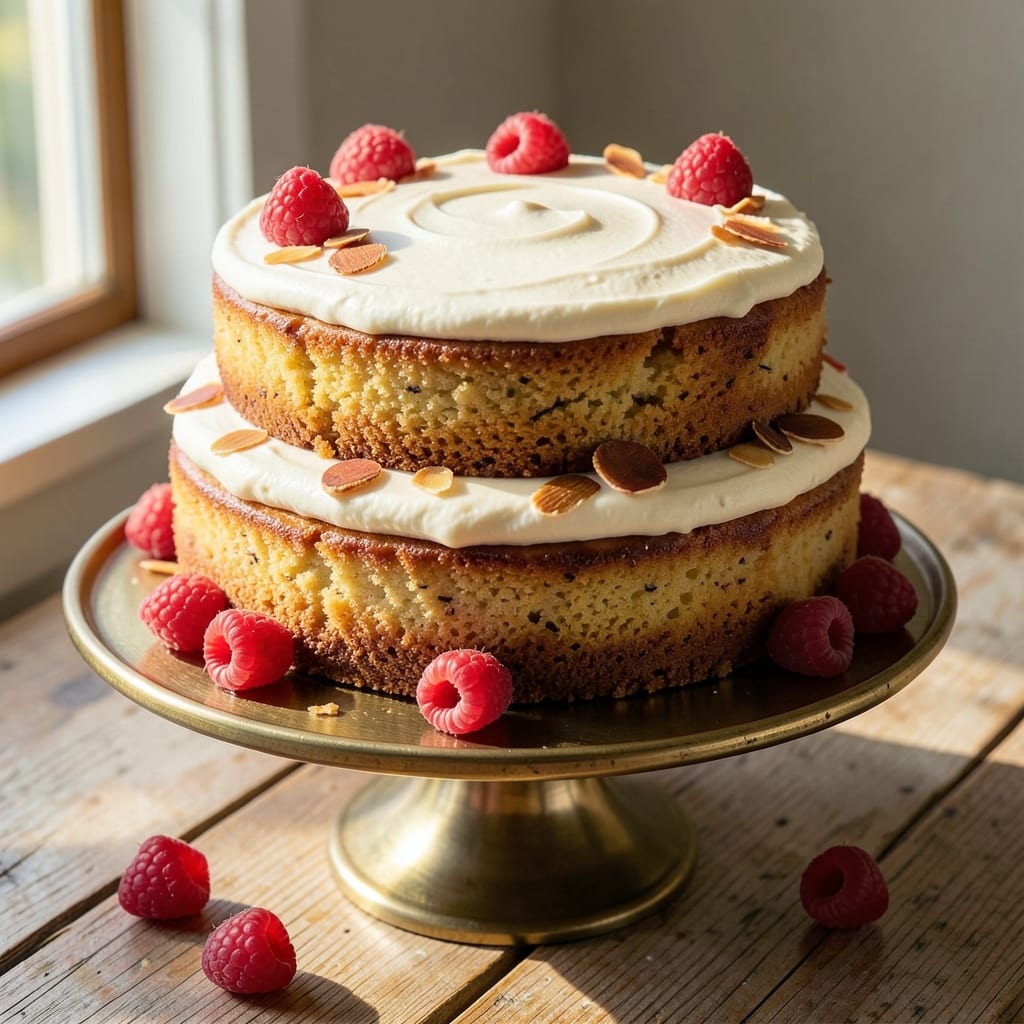
This 1 pound butter cake recipe delivers a legendary ultra-moist crumb that stays tender for days—no dry crumb in sight. The secret lies in precise butter-to-flour ratios and a touch of sour cream that transforms ordinary pound cake into something extraordinary. I've perfected this recipe through years of testing, ensuring every slice has that signature melt-in-your-mouth texture that keeps bakers coming back for more.
What sets this recipe apart is the vanilla bean frosting rivers that cascade down the sides, creating a showstopping presentation while adding layers of vanilla flavor. The frosting isn't just decorative—it enhances the cake's moisture, keeping each bite rich and velvety. This isn't your grandmother's pound cake; it's a modern masterpiece that balances tradition with technique for foolproof results every time.
The baking process is straightforward but precise: a 350°F oven for exactly 45 minutes yields a golden dome with a crackly top that signals perfect doneness. The cake's structure relies on proper mixing—no overmixing here—and a gentle baking time that develops flavor without drying out. The frosting comes together in minutes with just four ingredients, creating those signature rivers that make this cake worth the effort.
Whether you're baking for a special occasion or simply craving a decadent treat, this recipe delivers restaurant-quality results at home. The cake keeps beautifully for up to 5 days, making it perfect for meal prep or gifting. Let's get started on creating your perfect pound cake.
Ingredients for 1 pound butter cake
Twelve ingredients, one legendary cake—where ultra-moist crumb meets showstopping vanilla rivers.
| Ingredient | Amount | Notes |
|---|---|---|
| Unsalted Butter 🧈 | 1 lb | Room temperature, European preferred |
| Granulated Sugar 🍚 | 2 cups | Superfine for smoother texture |
| All-Purpose Flour 🌾 | 2 ½ cups | Sifted, 4% protein preferred |
| Sour Cream 🥛 | ½ cup | Full-fat for maximum moisture |
| Vanilla Extract 🌿 | 2 tsp | Pure Madagascar bourbon |
| Baking Powder 🍞 | 2 tsp | Aluminum-free for tender crumb |
| Salt 🧂 | ½ tsp | Diamond Crystal kosher |
| Heavy Cream 🥛 | 1 cup | Cold, 36% fat minimum |
| Vanilla Bean Paste 🌿 | 2 tbsp | Seeds scraped for maximum flavor |
| Confectioners' Sugar 🍚 | 3 cups | Sifted for frosting rivers |
| Large Eggs 🥚 | 4 whole | Room temperature, separated |
| Lemon Zest 🍋 | 1 tsp | Brightens the vanilla flavor |
The butter is non-negotiable here—European-style with at least 82% fat content delivers that signature tender crumb. Plugrá or President brands are my go-tos, but any high-fat butter works. Room temperature is critical: press it with a fork to test—it should leave a faint indent but hold its shape. The flour matters too; King Arthur or Gold Medal with 4% protein gives that perfect balance of structure and tenderness. Sift it first to avoid dense pockets, and measure by weight if you're ambitious (2.5 cups = 350g). For the sour cream, full-fat is essential—the fat content is what keeps this cake moist for days.
No vanilla bean paste? Double the vanilla extract plus 1 tsp vanilla sugar gets you close, but you'll miss those little specks of flavor. The eggs should be separated—room temperature is key for proper volume. For the frosting, confectioners' sugar must be sifted to prevent graininess, and the heavy cream needs to be cold when whipped. Want extra shine? Add 1 tsp clear vanilla extract to the frosting. The lemon zest might seem optional, but it cuts through the richness and makes the vanilla sing—organic is best if you're using it for garnish too. No zest? A splash of lemon juice in the batter works in a pinch.
This cake keeps beautifully—5 days at room temperature in an airtight container, or 1 week refrigerated if you're prepping ahead. The frosting rivers are best made fresh, but you can pipe them 1 day ahead and store uncovered at room temp. For gifting, slice and wrap individual portions with parchment—they'll stay moist for 3 days. The cake freezes beautifully too: wrap tightly and freeze for up to 3 months. Thaw overnight in the fridge before serving.
Why You'll Love This Recipe
- No-Fuss Mixing: I swear by the creaming method here—just butter, sugar, and a hand mixer until it’s light and fluffy. No sifting, no stress, and the sour cream keeps it tender without extra effort. Honestly, it’s the kind of recipe where you can chat with someone while mixing and still end up with perfect crumb.
- Rich, Buttery Bliss: That pound of unsalted butter? It melts into every bite, balanced by the subtle tang of sour cream and a whisper of vanilla. The texture is exactly what you want—moist but not dense, with a slight crunch on top that disappears the second you cut in. (Yes, even on a Tuesday night.)
- Weeknight to Celebration: This cake is my go-to for potlucks, birthday mornings, or when I just need dessert now. The small size means it’s perfect for two (or one very hungry person), but you can easily double it for gatherings. Between us, I’ve served it warm with ice cream at a holiday party—no one cared it wasn’t fancy.
- Leftovers That Last: Bake one, eat two. This cake keeps beautifully for days—no weird dryness, no sad edges. I’ll wrap slices in parchment and stash them in the fridge for quick breakfasts or late-night cravings. And if you’re pinching pennies, the ingredients are simple but ridiculously effective—no need for pricey shortcuts.
Step-by-step instructions for ultra-moist vanilla bean butter cake
This method delivers a velvety crumb with perfect moisture balance—every layer stays tender for days.
Cream Butter and Sugars to Light and Fluffy
In a stand mixer fitted with the paddle attachment, beat the 1 lb unsalted butter and 2 cups granulated sugar on medium speed for 4-5 minutes until the mixture is pale, thick, and nearly doubles in volume. You'll see ribbons form when you lift the paddle—this incorporates air that creates the signature tender crumb. I press the butter down with a spatula halfway through to ensure even blending.
Here's the thing—European-style butter has higher fat content, which gives this cake its signature richness. If using American butter, add 1 extra tablespoon to compensate. Scrape down the sides of the bowl every 30 seconds to prevent splattering. The mixture should be smooth with no visible butter lumps when you're done.
Add Eggs and Vanilla in Stages
Add the 4 whole large eggs one at a time, mixing on low speed for 30 seconds after each addition until fully incorporated. This gradual approach prevents curdling. After the last egg, stir in the 2 tsp vanilla extract and 1 tsp lemon zest on low speed just until combined—overmixing develops gluten and makes the cake tough.
The lemon zest might seem like a small addition, but it brightens the vanilla flavor and balances the richness. I like to use a microplane for the zest to get fine, aromatic strands without any bitter pith. The mixture should now be thick, glossy, and hold peaks when the paddle is lifted.
Alternate Dry and Wet Ingredients for Perfect Texture
In a separate bowl, whisk together the 2.5 cups all-purpose flour, 2 tsp baking powder, and 0.5 tsp salt. With the mixer on low speed, add one-third of the dry ingredients and mix just until combined. Then add the 0.5 cup sour cream and mix until smooth. Repeat this process, alternating between remaining dry ingredients and the 1 cup cold heavy cream, ending with the last of the dry ingredients.
This alternating method ensures even distribution of moisture and prevents dense pockets. The batter should be thick but pourable—like a rich pudding. If it looks too stiff, add 1-2 tablespoons of cold milk (though we're not using it here, the principle applies). The vanilla bean paste goes in last—fold it in gently with a spatula to preserve those delicate seeds.
Bake in Prepared Pans for Even Rise
Divide the batter evenly between two 9-inch round cake pans lined with parchment paper. Tap the pans gently on the counter to release any air bubbles. Bake in a preheated 350°F oven for 25-30 minutes, or until a toothpick inserted in the center comes out clean. Rotate the pans halfway through baking for even browning.
Don't open the oven before the 20-minute mark—the sudden temperature drop can cause the cakes to sink. The edges should be light golden brown while the centers remain slightly springy to the touch. Real talk: your oven might run hot, so start checking at the 22-minute mark if you're unsure. Let the cakes cool in the pans for 10 minutes before transferring to a wire rack.
Make Vanilla Bean Frosting Rivers
Beat the 3 cups confectioners' sugar with the 2 tbsp vanilla bean paste on medium speed for 2 minutes until smooth. Gradually add the 1 cup heavy cream while mixing until the frosting is thick but pipeable. The mixture should hold its shape on the spatula but still be smooth enough to create those signature rivers when spread.
Here's where the magic happens: spread a thin layer of frosting on the cooled first cake layer. Place the second layer on top, then spread a thicker layer of frosting over the entire cake. Use an offset spatula to create swirls and rivers by dragging the spatula through the frosting at a slight angle. The cold frosting will create beautiful, glossy patterns as it melts slightly on the warm cake.
Pro Tips For Making 1 Pound Butter Cake
- CREAM THE BUTTER SLOW: Mix the butter and sugar until the bowl is physically warm to the touch—about 5 minutes with a stand mixer. I used to stop when it looked lightened, but this step actually dissolves more sugar into the fat, making the cake richer and preventing a dense crumb.
- WEIGH THE FLOUR: Scooping flour from the bag packs it down, adding way more than the recipe calls for. Spoon it into the cup, then level it off—this keeps the cake tender instead of dry. (Yes, even if you’re in a hurry.)
- DON’T OVERMIX THE BATTER: Stop mixing as soon as the flour disappears—overworking it develops gluten, and that’s how you end up with a cake that’s more like a tough cookie. Two minutes max after adding the flour.
- USE COLD SOUR CREAM: Straight from the fridge, not room temp. Cold sour cream keeps the cake’s structure intact and prevents a gummy texture. (I learned this after a batch turned out like a sad sponge cake.)
Best sauces and condiments for these flavors
Classic Vanilla Rivers
The signature frosting here uses vanilla bean paste for depth, but you can swap it for 2 tbsp pure vanilla extract + 1 tbsp vanilla sugar if needed. For extra shine, add 1 tsp clear vanilla extract to the whipped cream before folding it into the frosting. The key is chilling the cake layers for 30 minutes before frosting—this prevents melting and ensures those perfect rivers. 💛
Citrus Glaze Option
Brighten the cake with a lemon or orange glaze by whisking 1 cup powdered sugar with 2 tbsp lemon juice and 1 tbsp heavy cream. Drizzle over the vanilla rivers or use it as a standalone topping. This works especially well if you skipped the lemon zest in the batter. For a festive touch, add 1 tsp orange zest to the glaze.
Chocolate Ganache Drizzle
For chocolate lovers, make a quick dark chocolate ganache by heating ½ cup heavy cream until steaming, then pouring over 8 oz chopped dark chocolate. Let it sit for 5 minutes, then stir until smooth. Drizzle over the cake or pipe it alongside the vanilla rivers for a decadent contrast. Use 70% dark chocolate for balance with the sweet frosting.
Caramel Swirls
Add a rich caramel element by making a simple salted caramel (melt ½ cup granulated sugar in a saucepan, add 2 tbsp heavy cream, and simmer until golden). Cool slightly, then pipe it alongside the vanilla frosting. Finish with flaky sea salt for a gourmet touch. This pairs beautifully with the buttery cake's richness.
Berry Compote
For a fruity twist, simmer 1 cup mixed berries (raspberries, blueberries, or strawberries) with 2 tbsp sugar and 1 tsp lemon juice until thickened. Spread a thin layer on the cake before adding the frosting, or serve it on the side for dipping. Fresh berries work best, but frozen berries in a pinch will still add vibrant flavor. ✨
Spiced Honey Drizzle
Warm ½ cup honey with ½ tsp cinnamon and ¼ tsp cardamom until fragrant. Drizzle over the cake just before serving for a warm, aromatic contrast. This works especially well with the vanilla frosting and adds a sophisticated touch. For extra flair, sprinkle with toasted pistachios or crushed almonds after drizzling.
Nutrition facts
Frequently asked questions
Can I substitute regular butter for European-style butter?
Yes, but with adjustments! Use 1 extra tablespoon of regular butter to match the higher fat content (82%) in European-style. For best results, let the butter sit at room temperature for 2 hours before creaming—it should be soft but still hold its shape when pressed. This ensures proper aeration for that signature tender crumb.
Why does my cake turn out dense instead of moist?
Overmixing the batter develops gluten, making the cake tough. Mix dry ingredients just until combined, and fold in the vanilla bean paste last with a spatula. Also, ensure your butter is properly softened (not melted) and don't skip the alternating method for dry/wet ingredients. A toothpick should come out clean after 25-30 minutes in a 350°F oven—overbaking dries it out.
How do I make this recipe without sour cream?
Replace the ½ cup sour cream with ½ cup plain Greek yogurt or ½ cup buttermilk. For a neutral substitute, use ½ cup milk + 1 tbsp lemon juice. The acidity helps tenderize the crumb, but the texture will be slightly less rich. Chill the batter for 30 minutes before baking to improve moisture retention.
Can I bake this cake in a single 9-inch pan instead of two?
Yes, but reduce the oven temperature to 325°F and bake for 50-55 minutes. Use a water bath (wrap the pan in foil and place it in a larger pan with hot water halfway up the sides) to ensure even cooking. The cake will be taller but equally moist. Let it cool completely before frosting to prevent crumbling.
How do I store leftovers to keep them fresh?
Wrap the unfrosted cake tightly in plastic wrap, then place in an airtight container. It stays fresh for 5 days at room temperature or 1 week refrigerated. For the frosted cake, store it in the fridge for up to 4 days—bring to room temperature before serving. Freeze unfrosted slices for 3 months by wrapping individually in plastic. Thaw overnight in the fridge.