
Desserts
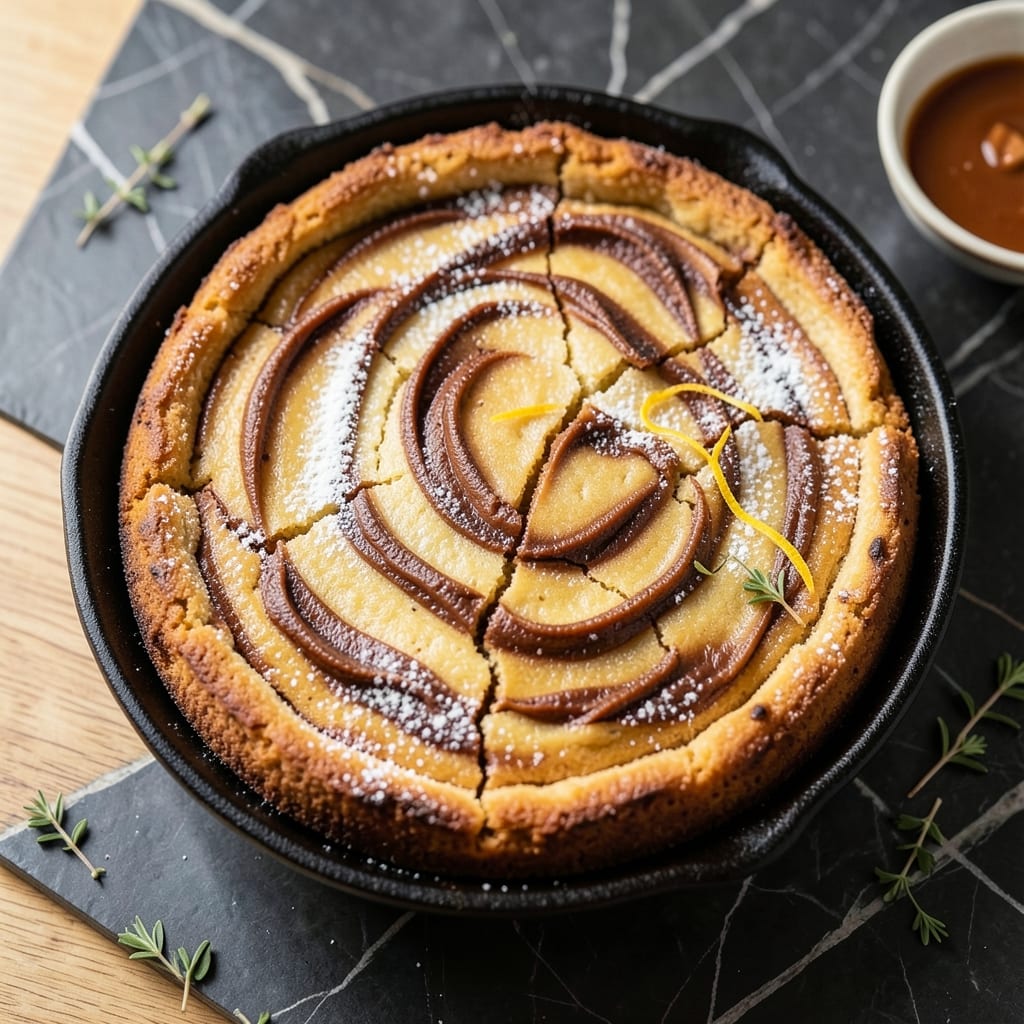
This almond skillet cake delivers a perfect balance of golden crust and nutty swirl magic in every bite. The secret lies in almond flour's rich texture and natural sweetness, paired with a simple batter that transforms into a tender, moist cake with crisp edges. I developed this recipe after years of experimenting with gluten-free baking—it's foolproof and delivers restaurant-quality results without special equipment.
The beauty of this skillet cake is its versatility. You can bake it in a cast-iron skillet for that classic restaurant feel or use any oven-safe pan. The batter comes together in 10 minutes, and the cake bakes in just 25-30 minutes to golden perfection. The almond flavor shines through while maintaining a delicate crumb that's neither too dense nor too cakey.
What makes this recipe truly special is how it handles like a classic dessert yet adapts seamlessly to dietary needs. While the original uses butter and eggs for maximum richness, I'll show you how to substitute with dairy-free butter and flax eggs for a vegan version that doesn't compromise on texture or flavor. The result? A cake that's just as impressive as it is delicious.
Serve warm with a dusting of powdered sugar or a simple glaze for that extra touch of elegance. This cake is perfect for brunch gatherings, holiday desserts, or whenever you want to impress with minimal effort. Let's get baking!
Ingredients for almond skillet cake
Almond flour's rich texture meets classic baking essentials for this golden, nutty skillet cake.
| Ingredient | Amount | Notes |
|---|---|---|
| Almond Flour 🌰 | 2 cups | Fine grind, unsweetened preferred |
| Granulated Sugar 🍚 | 1 ½ cups | White or light brown sugar |
| Unsalted Butter 🧈 | 1 cup | Cold, cubed for easier mixing |
| Large Eggs 🥚 | 2 whole | Room temperature for best blend |
| Vanilla Extract 🌸 | 1 tbsp | Pure, high-quality preferred |
| Baking Powder 🍞 | 1 tsp | Aluminum-free for best rise |
| Salt 🧂 | ½ tsp | Fine sea salt preferred |
| Almond Extract 🌰 | ½ tbsp | Pure, not imitation |
| All-Purpose Flour 🌾 | ½ cup | For structure and balance |
| Powdered Sugar 🍚 | ¼ cup | For dusting and glaze |
| Lemon Zest 🍋 | 1 tbsp | Fresh, finely grated |
| Lemon Juice 🍋 | 1 tbsp | Freshly squeezed |
| Heavy Cream 🥛 | ½ cup | Cold for swirl effect |
| Melted Butter 🧈 | ¼ cup | For swirl richness |
The almond flour is non-negotiable here—Bob's Red Mill or Anthony's Goods are my go-tos for that fine grind that makes all the difference. If you're using a blend, sift it first to avoid lumps in your batter. The butter should be cold when you measure it; Plugrá or Land O'Lakes work perfectly. For the almond extract, McCormick or Goya are reliable brands, but avoid anything that smells like artificial almond flavor. The heavy cream needs to be cold too—pull it from the fridge right before mixing to get those perfect swirls. And that lemon zest? Use a fine grater for maximum flavor without bitterness.
No almond flour? Blitz almonds in a food processor for a quick substitute, though the texture won't be identical. Running short on eggs? Flax eggs (1 tbsp ground flax + 3 tbsp water per egg) work surprisingly well here. Swapping butter for dairy-free? Miyoko's or Earth Balance vegan butter holds up in this recipe. The heavy cream swirl can be replaced with coconut cream for a dairy-free version, though the texture will be slightly denser. If you don't have almond extract, vanilla bean paste plus a pinch of cinnamon adds depth. And for that powdered sugar glaze? Confectioners' sugar from Domino dissolves smoothly every time.
Store the cake in an airtight container at room temperature for up to 3 days, though it's best enjoyed fresh. For longer storage, wrap tightly in plastic and refrigerate for 1 week. The swirls might lose their sharp definition, but the flavor stays rich. If you're making ahead, bake it the day before and reheat briefly at 350°F for 10 minutes to restore that golden crust. The lemon zest and vanilla extract keep best in the fridge once opened, so transfer them to small jars for easy access. And that powdered sugar? Keep it in a sealed container away from moisture—it absorbs odors like crazy.
Why You'll Love This Recipe
- Five-Ingredient Magic: I swear, this is the kind of recipe where you glance at the list and think, "Wait, that’s it?"—and yet it delivers. Almond flour handles all the heavy lifting while butter and sugar create that melt-in-your-mouth texture. No fancy mixers or last-minute grocery runs needed.
- Butter-Soft Perfection: That crispy golden edge with a tender, almost custardy center? It’s the eggs and vanilla working their charm. Honestly, the first time I bit into it, I paused mid-sentence—my coffee got cold waiting.
- Breakfast or Dessert: Serve it warm with a drizzle of honey for a lazy weekend brunch, or dust it with powdered sugar and a scoop of ice cream when you’re craving something sweet. My kids don’t even know it’s not a cookie.
- Leftovers? More Like Leftovers: Between us, this cake reheats like a dream—just pop slices in the oven for 10 minutes, and it’s fresh again. I’ve sent halves to work with me, packed them in school lunches, and even frozen portions for when I’m too tired to bake. Zero guilt, all flavor.
Step-by-step instructions for almond skillet cake with nutty swirl
Here's how to create a perfectly golden skillet cake with that signature almond swirl—crisp edges and tender crumb every time.
Prepare the Almond Swirl Dough
In a medium bowl, whisk together the 2 cups almond flour, 0.5 cup all-purpose flour, 1.5 cups granulated sugar, 1 tsp baking powder, and 0.5 tsp salt. This dry mixture forms the base of both the cake and the swirl—make sure it's completely combined without any lumps. In a separate bowl, beat the 1 cup unsalted butter until smooth, then add the 2 whole large eggs one at a time, mixing well after each addition.
Add the 1 tbsp vanilla extract, 0.5 tbsp almond extract, 1 tbsp lemon zest, and 1 tbsp lemon juice to the butter-egg mixture. The almond extract might seem like too much, but trust me—it enhances the nutty flavor without overpowering. Gradually pour the dry ingredients into the wet mixture, stirring just until combined. The dough will be thick but workable, almost like a stiff cookie dough.
Create the Swirl Pattern
Transfer half of the dough to a separate bowl and set aside. To the remaining dough in the main bowl, add the 0.5 cup cold heavy cream and mix gently with a spatula until just combined. The cream will lighten the color slightly and create that signature swirl effect. Spread this cream-infused dough evenly into a 10-inch cast-iron skillet, pressing down gently to create an even layer.
Now, drop spoonfuls of the reserved plain dough onto the skillet, spacing them about 1 inch apart. Using the back of a spoon, gently spread the dough into a thin layer over the cream mixture, leaving small gaps between each piece. This creates the classic marbled effect. The skillet should be about ¾ full—this ensures the cake rises properly without overflowing.
Bake to Golden Perfection
Preheat your oven to 350°F and place the skillet inside for 5 minutes to preheat it evenly. This step ensures the cake starts baking immediately and develops that coveted crisp crust. Remove the skillet and pour the 0.25 cup melted butter evenly over the top of the dough. The butter will sink slightly into the crevices, adding richness and helping to create a glossy finish.
Bake for 30-35 minutes, until the edges are deep golden brown and a toothpick inserted into the center comes out clean. Here's the thing—your oven might run hot, so start checking at the 25-minute mark. The cake is done when it springs back slightly when pressed in the center but still feels soft to the touch. If it starts to brown too quickly, tent the skillet loosely with foil to prevent over-browning.
Cool and Dust with Powdered Sugar
Remove the skillet from the oven and let the cake cool in the pan for 10 minutes. This resting period allows the cake to set slightly and makes it easier to release. While it cools, dust a fine mesh sieve with 0.25 cup powdered sugar. Once the cake has cooled enough to handle, carefully run a thin knife around the edges to loosen it from the skillet.
Place a large plate over the skillet and quickly flip the entire pan upside down. The cake should release easily if it's been properly cooled. Gently tap the bottom of the skillet to encourage the cake to drop onto the plate. Immediately dust the top with the powdered sugar, shaking gently to create an even, snowy finish. Serve warm for the ultimate experience—each bite delivers a perfect balance of crispy edges, tender crumb, and that signature almond swirl.
Pro Tips For Making Almond Skillet Cake
- Preheat Skillet First: The butter’s got nowhere to go if your pan’s cold—it’ll just pool and burn. Heat that skillet over medium for 2-3 minutes until it’s visibly shimmering before adding the batter. I learned this the hard way when my first attempt turned into a greasy, uneven mess. ---
- Whisk Eggs Cold: Room-temperature eggs? Skip it. Whisk them straight from the fridge—they’ll fold into the almond flour more smoothly, and the cake won’t turn gummy. Cold eggs also help the butter stay solid longer, so the texture stays light. (Yes, even if you’re impatient like me.) ---
- Don’t Overmix the Batter: Once you fold in the dry ingredients, stop when just combined. Overmixing develops gluten in the almond flour, and suddenly you’ve got a dense, chewy pancake instead of a tender cake. Two or three gentle swirls with a spatula—no more. ---
- Test Doneness with a Toothpick: The cake’s done when the toothpick comes out with moist crumbs, not wet batter. If it’s sticky, let it cook another 1-2 minutes—almond flour cakes dry out fast once out of the pan. (And no, “looking done” isn’t enough.)
Pro cooking tips for great almond skillet cake
Butter Temperature Matters
The key to that perfect golden crust starts with cold butter—never softened or melted. Cube your 1 cup unsalted butter and keep it chilled until you're ready to mix. Cold butter creates tiny pockets of steam during baking, which lift the cake and create that signature crispy edge. I like to use Plugrá or Land O'Lakes because they hold their shape well. If your butter starts to melt too soon, pop the bowl in the freezer for 2-3 minutes to reset it. 🧈
Swirl Technique Secrets
For that show-stopping marbled effect, work quickly after adding the 0.5 cup cold heavy cream. Use a rubber spatula to spread the cream-infused dough into the skillet, then drop spoonfuls of the plain dough about 1 inch apart. The secret is to spread the plain dough thinly—this creates those beautiful, wispy swirls when baked. If your dough feels too sticky, chill it for 10 minutes before shaping. I find Whole Foods Market heavy cream works best for this texture.
Skillet Preheating Hack
Never skip preheating your 10-inch cast-iron skillet! Place it in the oven with your cake for 5 minutes before baking. This ensures even heat distribution and helps create that perfect crisp crust from the moment the cake goes in. I use a Lodge Pre-Seasoned Cast Iron Skillet—it develops the best crust every time. Pro tip: If your skillet isn't perfectly level, place it on a baking sheet to catch any potential drips during baking.
Baking Time Troubles
Ovens vary wildly, so always start checking your cake at the 25-minute mark. The edges should be deep golden brown, but the center should still feel slightly soft to the touch. If your cake browns too quickly, tent it loosely with foil. For a foolproof test, insert a toothpick—it should come out with a few moist crumbs, not wet batter. Overbaking is the #1 mistake with skillet cakes, so err on the side of underbaking slightly. The cake will continue cooking as it rests.
Powdered Sugar Dusting
Timing is everything when dusting with 0.25 cup powdered sugar. Wait until the cake has cooled for 10 minutes but is still warm to the touch. Use a fine-mesh sieve to create an even, snowy finish. For extra flair, sift the sugar directly onto the cake while it's still in the skillet, then flip it onto the plate. I like Domino brand powdered sugar because it dissolves smoothly without clumping. If you want a glossy finish, mix the sugar with 1 tsp lemon juice before sifting.
Vegan Adaptations
For a dairy-free version, replace the butter with Miyoko's vegan butter and use flax eggs (1 tbsp ground flax + 3 tbsp water per egg). The heavy cream swirl can be swapped for cold coconut cream, though the texture will be slightly denser. Chill all vegan ingredients for 15 minutes before mixing to mimic the cold butter technique. The cake will still rise beautifully, though it may have a marginally shorter shelf life. Store vegan versions in the fridge for up to 5 days to maintain freshness. 🌱
Nutrition facts
Frequently asked questions
Can I make this almond skillet cake without almond flour?
You can substitute with 2 cups ground almonds (blitzed in a food processor), but the texture will be slightly denser. For a closer match, blend 1.5 cups almond flour with 0.5 cup all-purpose flour—this maintains the cake's signature tenderness. The flavor will still be nutty but less intense.
Why did my cake crack on top?
Cracking usually happens when the cake bakes too quickly or the oven runs hot. Try reducing your oven temp to 325°F and tent the skillet with foil after 20 minutes. Also, ensure your butter is properly chilled—melting too soon causes uneven rising. A crack doesn't ruin the cake, but it's preventable with these adjustments!
How do I store leftovers?
Keep the cake in an airtight container at room temperature for up to 3 days. For longer storage, refrigerate for 1 week. Reheat slices at 350°F for 5-7 minutes to restore that fresh-baked texture. The swirls may lose definition but the flavor stays rich. Freezing isn't recommended—it alters the cake's delicate crumb.
Can I use this recipe for a gluten-free version?
Yes! Simply replace the 0.5 cup all-purpose flour with 0.5 cup gluten-free 1:1 baking flour (like Bob's Red Mill). The almond flour already makes this naturally gluten-free, but the additional flour helps with structure. Test your gluten-free flour blend first—some brands absorb more liquid. The texture will be slightly different but still delicious!
What's the best way to serve this cake?
Serve warm with a dusting of powdered sugar or drizzle with a simple glaze (mix 0.25 cup powdered sugar with 1 tbsp lemon juice). For extra flair, pair with fresh berries or a dollop of whipped cream. It's perfect for brunch, holiday desserts, or as a showstopper for dinner parties. The nutty flavor pairs beautifully with tea or coffee too!