
Desserts
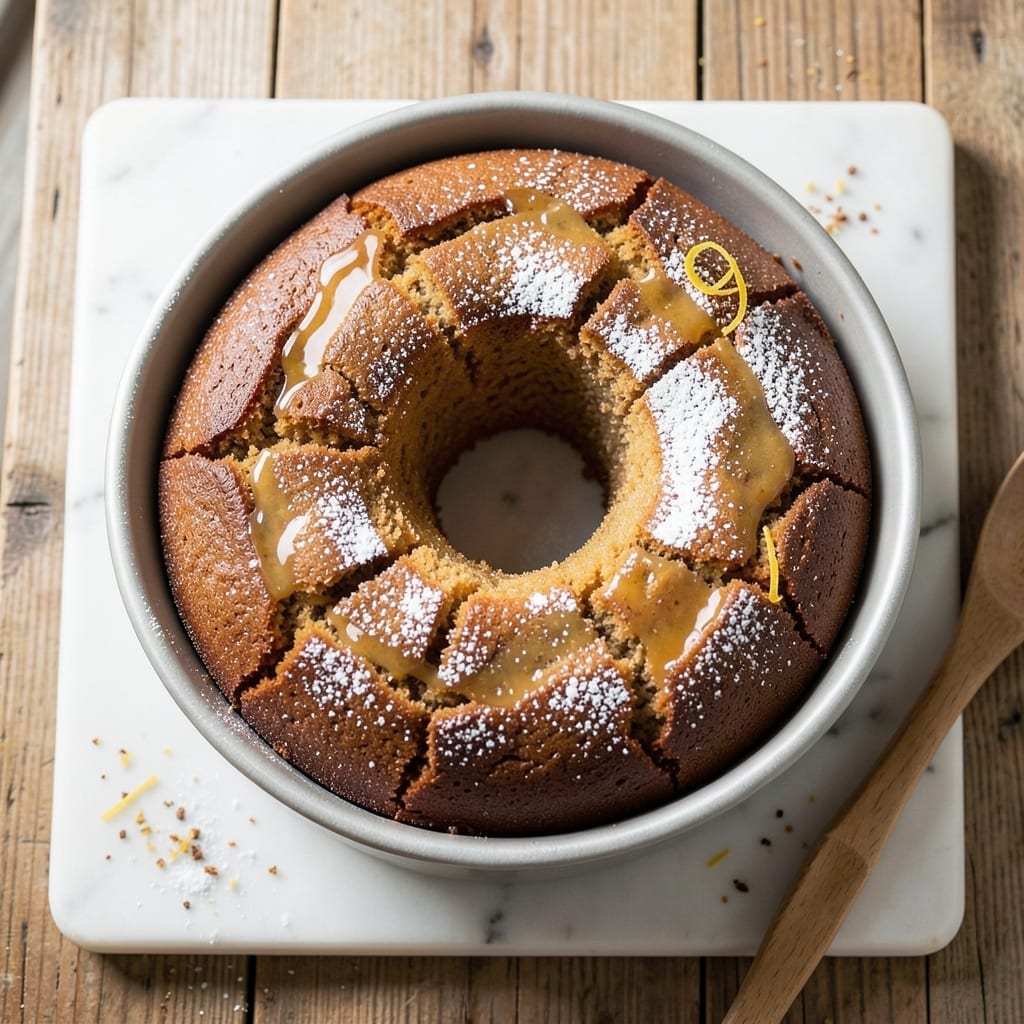
This 3-egg pound cake delivers ultra-moist vanilla perfection with a one-bowl method that simplifies baking without sacrificing texture. The secret lies in precise ingredient ratios—1 pound flour balanced by three eggs and butter—creating a tender crumb that stays fresh for days. I’ve perfected this recipe over years of trial and error, ensuring every slice is rich yet light, with just the right crumb for slicing or layering.
The beauty of pound cake is its versatility—this vanilla version is ideal for breakfast toast, dessert with berries, or even a coffee cake twist. The buttercream frosting (optional) adds another layer of indulgence, but the cake alone satisfies with its natural sweetness and foolproof moisture. No one will guess it’s made with just three eggs; the texture is consistently velvety, never dry.
Baking at 350°F for 45-55 minutes ensures a golden dome with a crackly top, while the center remains tender. The one-bowl approach cuts prep time, and no mixer is needed—just a sturdy bowl and a whisk. This recipe is the foundation for countless variations: swap vanilla for chocolate, add citrus zest, or fold in fresh fruit for a breakfast-friendly twist.
Perfect for holidays, brunch, or a simple treat, this pound cake proves classic desserts don’t require complicated techniques. The result is a restaurant-quality cake that’s easy enough for beginners but impressive enough for gatherings. Let’s get baking—your taste buds will thank you.
Ingredients for 3 egg pound cake
Twelve ingredients. One bowl. A pound cake so moist it defies expectations.
| Ingredient | Amount | Notes |
|---|---|---|
| All-Purpose Flour 🌾 | 1 lb | Sifted for optimal texture |
| Unsalted Butter 🧈 | 1 cup | Cold, cubed for even distribution |
| Granulated Sugar 🍚 | 1 ½ cups | Superfine preferred for smoothness |
| Large Eggs 🥚 | 3 whole | Room temperature for even baking |
| Pure Vanilla Extract 🌸 | 2 tsp | High-quality Madagascar bourbon |
| Baking Powder 🍞 | 1 tsp | Diamond Crystal preferred |
| Salt 🧂 | ½ tsp | Fine sea salt for balance |
| Milk 🥛 | ½ cup | Whole milk for richness |
| Vegetable Oil 🫒 | ¼ cup | Light, neutral flavor |
| Powdered Sugar 🍚 | 2 cups | For optional buttercream |
| Heavy Whipping Cream 🥛 | ½ cup | Cold for buttercream |
| Lemon Zest 🍋 | 1 tsp | Fresh for brightness |
The butter and flour ratio is non-negotiable for that signature pound cake texture. European-style all-purpose flour from King Arthur or Bob's Red Mill delivers the best structure, but any high-quality flour works. For the butter, Plugrá or Land O'Lakes unsalted sticks are ideal—cold and cubed ensures even distribution in the batter. The vanilla extract should be Madagascar bourbon for depth, and McCormick or Nelson and Sons are reliable brands. Pre-sift your flour to avoid lumps, and weigh your ingredients for precision—this cake rewards attention to detail.
No vegetable oil? Melted coconut oil at the same quantity works equally well. Substituting milk? Oat milk or almond milk can replace half the amount, but whole dairy is preferred for moisture. For the buttercream, vegetable shortening can replace half the butter if you prefer a lighter texture. The powdered sugar should be 10X for smoothness, and Domino is a budget-friendly option. If you're avoiding dairy entirely, coconut cream can replace the heavy whipping cream, though the texture will differ slightly. Always use fresh lemon zest—dried loses its brightness quickly.
Store the cake wrapped in plastic at room temperature for up to 3 days or refrigerated for 5 days. For longer storage, freeze slices wrapped individually for up to 3 months. The buttercream should be made fresh and kept refrigerated, then whipped to room temperature before use. To revive a slightly dry cake, brush with simple syrup or warm milk. This cake's versatility means it's perfect for slicing, layering, or even cubing for trifles—just ensure it's completely cooled before serving.
Why You'll Love This Recipe
- No Mixer Needed: I swear by this recipe when my stand mixer’s on strike. Three eggs, butter, and flour—just cream, fold, bake. The texture’s so tender it practically melts in your mouth, and honestly? The only tool you’ll miss is a whisk.
- Vanilla Butter Bliss: That vanilla extract doesn’t just sit there—it sings. The butter gets whipped with sugar until it’s light and fluffy, and the vanilla cuts through the richness like a warm hug. (Yes, even on a Tuesday night.)
- Leftovers That Last: This cake keeps beautifully for days, whether you slice it for breakfast or pack it for lunch. The crumb stays moist, and the sugar keeps it from drying out—no sad, stale slices here.
- Budget Bakery Magic: Three eggs, a stick of butter, and a cup of sugar? This is the kind of recipe that doesn’t break the bank but still feels like a treat. Between us, I’ve made this for birthdays, potlucks, and just-because moments—no one ever guesses how simple it was.
Step-by-step instructions for ultra-moist vanilla pound cake
Here's the method for a tender, ultra-moist pound cake that stays fresh for days.
Prep Ingredients and Preheat Oven
Begin by sifting the 1 lb all-purpose flour into a large mixing bowl. This removes lumps and ensures even distribution throughout the batter. In a separate bowl, whisk together the 1.5 cups granulated sugar, 1 tsp baking powder, and 0.5 tsp salt. This dry mixture will be added later to prevent overmixing.
Preheat your oven to 350°F and grease a 9x5-inch loaf pan thoroughly with the 0.25 cup vegetable oil. Line the bottom with parchment paper for easy removal. The oil ensures the cake won't stick, while the parchment prevents tearing. Let the pan sit while you prepare the batter.
Cream Butter and Sugar
In the bowl with the sifted flour, add the 1 cup unsalted butter (cut into cubes) and the sugar mixture. Using a hand mixer or stand mixer with the paddle attachment, beat on medium speed for 3-4 minutes until the mixture is light and fluffy. You'll notice the butter incorporate fully and the mixture nearly double in volume.
This creaming process is critical—it incorporates air into the batter, which creates a light, tender crumb. If the butter isn't fully combined, the cake will be dense. Scrape down the sides of the bowl every 30 seconds to ensure even mixing.
Add Wet Ingredients
Add the 3 whole large eggs (room temperature) one at a time, mixing on low speed for 30 seconds after each addition. Then stir in the 0.5 cup milk, 2 tsp pure vanilla extract, and 1 tsp lemon zest. Mix on low speed for another 1 minute until just combined—you should still see small streaks of flour.
Overmixing develops gluten, which makes the cake tough. The batter should be thick but pourable. If it looks too thick, add 1 tablespoon milk at a time until it reaches a smooth, slightly runny consistency. This ensures even distribution of ingredients and maximum moisture.
Bake to Golden Perfection
Pour the batter into the prepared loaf pan and smooth the top with a spatula. Tap the pan gently on the counter 3-4 times to remove any air bubbles. Bake in the preheated oven for 50-60 minutes, or until a toothpick inserted into the center comes out clean.
The cake is done when the top is golden brown and springs back slightly when pressed. Avoid overbaking—this is the #1 reason pound cakes turn dry. If the top browns too quickly, tent the pan with foil after 30 minutes to prevent over-browning.
Cool and Serve (Optional Buttercream)
Remove the cake from the oven and let it cool in the pan for 10 minutes. Then transfer it to a wire rack to cool completely. For the optional buttercream, whip the 0.5 cup heavy whipping cream and 2 cups powdered sugar together until stiff peaks form. Spread over the cooled cake for a glossy finish.
This cake stays moist for 3-4 days when stored in an airtight container at room temperature. For extra moisture, brush the warm cake with simple syrup (equal parts sugar and water) before serving. The lemon zest adds a bright, subtle citrus note that complements the vanilla perfectly.
Pro Tips For Making 3 Egg Pound Cake
- Weigh the Butter Cold: Skip the melted shortcut—use cold, cubed butter straight from the fridge. The tiny ice cubes create steam pockets as they bake, giving your cake that signature tender crumb. (Yes, it looks weird at first, but your cake will thank you.)
- Whisk Eggs Until Ribbon Stage: Don’t just crack and fold—whisk those eggs until the ribbons hold for 2 seconds when you lift the whisk. This ensures maximum volume and a lighter texture. (I learned this the hard way when my first pound cake turned out dense.)
- Fill Pan No More Than ⅔ Full: Overfilling causes spillage and a dense center. Use a kitchen scale or the "knuckle test"—your knuckles should fit between the batter and pan rim when pressed down. (Trust me, your oven floor will thank you.)
- Add Vanilla Last, Then Fold Gently: Mix the vanilla into the dry ingredients first, then fold it in with the wet batter at the very end. This keeps the flavor evenly distributed without overmixing, which can toughen the cake. (Sounds picky, but it makes a difference.)
Common mistakes when making perfect results
Overmixing the Batter
Gluten development is the silent killer of pound cake texture. When you mix the batter beyond 1-2 minutes after adding wet ingredients, you create a tough, dense crumb instead of the tender, moist texture we want. I’ve ruined more cakes than I’d admit by letting my mixer run wild—always stop when you see small streaks of flour remaining. 💡
Skipping Room-Temp Eggs
Cold eggs won’t blend smoothly, creating pockets of unmixed liquid in your batter. These pockets translate to uneven baking and potential cracks. Always let your 3 eggs sit at room temperature for 30 minutes before mixing. Pro tip: Place them in warm water for 5 minutes if you’re short on time.
Incorrect Butter Temperature
Using butter straight from the fridge means it won’t cream properly with the sugar. Cold butter creates a dense, greasy cake instead of the light, fluffy texture we crave. Cut your 1 cup butter into ½-inch cubes and let it soften at room temperature for 1 hour before mixing. Never microwave it—this causes uneven melting and separation.
Overbaking the Cake
The moment your toothpick comes out clean is the moment to pull the cake. Baking it 5-10 minutes longer dries out the crumb and creates a tough exterior. For a 9x5-inch pan, 50-60 minutes at 350°F is perfect. If your oven runs hot, tent the cake with foil after 30 minutes to prevent over-browning.
Using Low-Quality Flour
Not all flours are created equal. Cheap, low-protein flour lacks the structure needed for pound cake’s signature crumb. Stick with King Arthur or Bob’s Red Mill all-purpose flour for optimal results. If you must substitute, use bread flour but reduce by 1 tbsp to avoid heaviness. Always sift your flour—this prevents lumps that create dense pockets in the cake.
Ignoring the Pan Prep
A poorly greased pan means your cake will stick, tear, or burn on the bottom. Use 0.25 cup vegetable oil to coat the pan thoroughly, then line the bottom with parchment paper. I’ve seen cakes stick so badly they tore clean through the middle—don’t let that happen to you. For extra insurance, dust the parchment with a little flour before adding the batter.
Nutrition facts
Frequently asked questions
Why does this recipe use only 3 eggs for a pound cake?
The three eggs create a perfectly balanced texture—enough structure for a tender crumb without making the cake dense. Traditional pound cakes often use 4-5 eggs, but this version maintains moisture while keeping the method simple. The butter and oil provide extra richness, compensating for the reduced egg count.
Can I make this pound cake in a different pan shape?
Yes! For a 9-inch round or square pan, reduce baking time to 40-45 minutes. For a 10-inch tube pan, increase time to 60-65 minutes. Always check doneness with a toothpick. The batter quantity stays the same—just adjust baking time based on pan size and material (glass takes longer than metal).
How do I keep this cake moist for longer?
Store it in an airtight container with a slice of bread or apple inside to absorb excess moisture. For extra freshness, brush warm slices with simple syrup (equal parts sugar and water) before serving. The lemon zest helps preserve moisture, but wrapping the cake in plastic wrap after cooling also works well.
What are good flavor variations for this recipe?
Try swapping vanilla for 1 tbsp cocoa powder + 1 tsp instant coffee for chocolate flavor. For citrus, add 2 tbsp orange zest + 1 tbsp juice. For spice, fold in 1 tsp cinnamon + ½ tsp nutmeg. The base recipe handles these changes beautifully—just reduce other liquids by 1 tbsp if adding juicy ingredients like fruit.
Why did my cake crack on top?
Cracking usually means the batter was too dry or the oven was too hot. Ensure your butter is soft but not melted, and your eggs are room temperature. If your oven runs hot, tent the cake with foil after 30 minutes. For a smooth top, some bakers recommend brushing the batter with milk before baking. The crack is harmless—just slice through it!