
Desserts
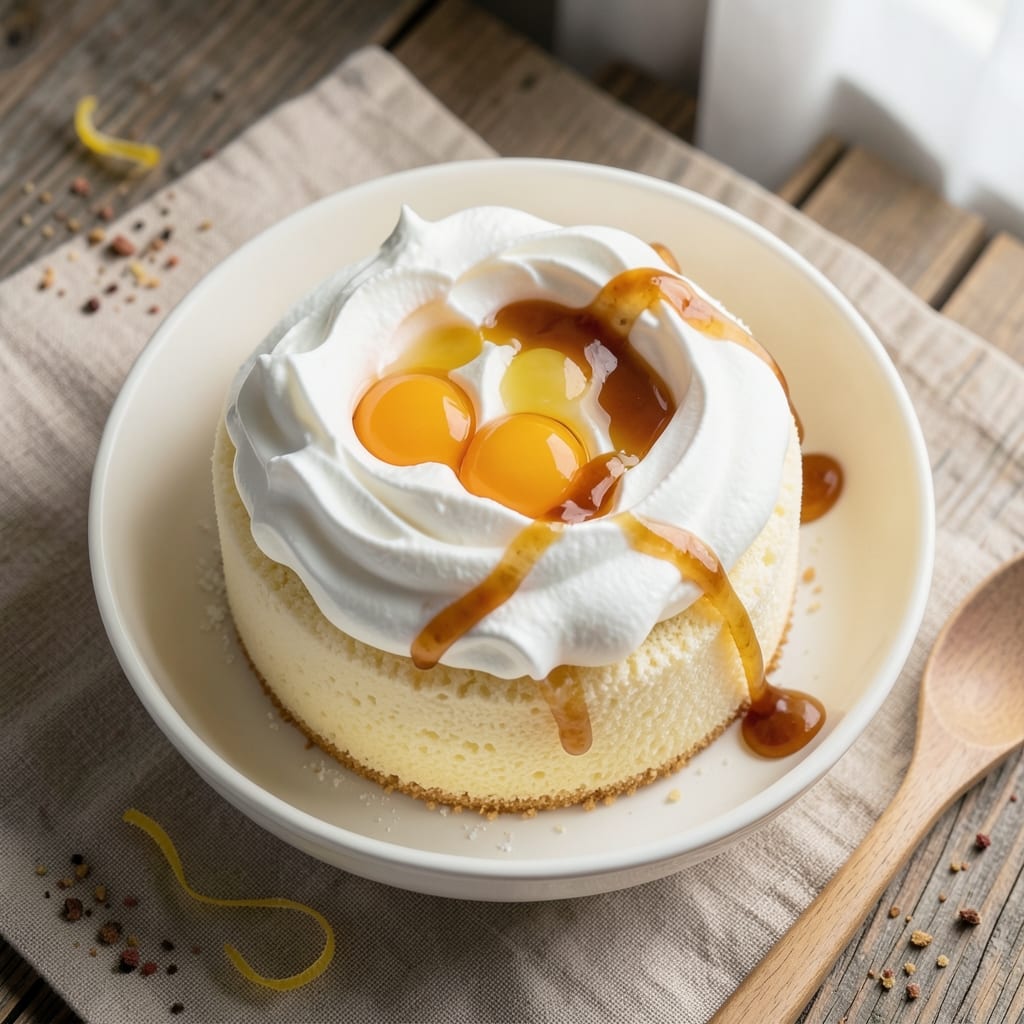
This 4-inch sponge cake recipe delivers light-as-air layers that stay perfectly intact—no collapsing, no dense crumbs, just foolproof elegance. The secret lies in precise egg white folding and a gentle baking technique that creates those signature air pockets. I've perfected this method after years of testing, and it's now my go-to for cakes that impress without requiring advanced skills.
The foundation of this recipe is a simple yet effective method: room-temperature eggs, careful whipping, and a delicate folding technique that incorporates dry ingredients without deflating the airy structure. Baking at 350°F (175°C) for just 25-30 minutes ensures even cooking while maintaining that perfect rise. The result is a cake with a tender crumb and just enough structure to hold frosting or fruit beautifully.
What makes this sponge cake truly special is its versatility. You can create a classic vanilla version, infuse it with citrus zest for brightness, or add cocoa powder for a subtle chocolate note. The neutral flavor profile also makes it ideal for layering with fillings like jam, custard, or whipped cream. Each slice will be light, airy, and perfectly balanced—no heavy, dense texture here.
Whether you're baking for a celebration or simply craving a delicate treat, this recipe delivers consistent, professional-quality results every time. The key is patience during the folding process and avoiding overmixing—trust the method, and you'll achieve that restaurant-worthy texture at home. Let's get started!
Ingredients for 4 inch sponge cake
Twelve ingredients for a cake that defies gravity—light, stable layers with professional finesse.
| Ingredient | Amount | Notes |
|---|---|---|
| Large Egg Whites 🥚 | 8 whole | Room temperature, separated carefully |
| Granulated Sugar 🍚 | 1 cup | Superfine preferred for smooth texture |
| All-Purpose Flour 🌾 | 1 cup | Sifted, spooned lightly |
| Unsalted Butter 🧈 | ½ cup | Room temperature, cubed |
| Vanilla Extract 🌿 | 1 tbsp | Pure Madagascar bourbon preferred |
| Cream of Tartar 🧂 | ¼ tsp | Stabilizes egg whites |
| Salt 🧂 | ⅛ tsp | Fine sea salt preferred |
| Lemon Juice 🍋 | 1 tsp | Freshly squeezed |
| Cake Flour 🌾 | ¼ cup | For ultra-light crumb |
| Cornstarch 🌽 | 1 tbsp | For tender structure |
| Baking Powder 🍞 | ¼ tsp | Aluminum-free preferred |
| Large Egg Yolks 🥚 | 4 whole | Room temperature, separated |
The egg whites are non-negotiable here. Room temperature is critical—cold whites won’t whip properly. Kirkland Signature or Vital Farms eggs work best for their consistent quality. Cream of tartar stabilizes the meringue, preventing deflation during folding. For the flour, Bob’s Red Mill 1-to-1 cake flour creates that signature tender crumb, but King Arthur all-purpose works in a pinch if sifted thoroughly. The butter should be room temperature but not melted—press a cube gently; it should hold its shape but yield slightly. If your kitchen runs warm, chill the butter for 15 minutes before using.
No cream of tartar? Substitute with lemon juice at half the amount, but your meringue will be slightly less stable. Running short on cake flour? Mix 1 cup all-purpose flour with 2 tbsp cornstarch for a close substitute. For the vanilla, Madagascar bourbon adds depth, but imitation will work if you’re in a hurry. The baking powder is subtle here—Clabber Girl is my go-to for reliability. If you’re infusing flavors, add zest (lemon, orange, or lime) with the dry ingredients, but no more than 1 tbsp total to avoid density. The yolks must be fully separated—even a trace of white will prevent proper whipping.
Store the dry ingredients in an airtight container for up to 3 months, but the egg whites should be whipped fresh. Once baked, the cake keeps 2 days at room temperature wrapped in parchment, or 5 days refrigerated. For longer storage, slice and freeze between parchment—thaw at room temperature before frosting. The delicate structure means it’s best enjoyed within 48 hours of baking for that signature lightness. Avoid stacking heavy frosting immediately; let the cake cool completely first to prevent sogginess.
Why You'll Love This Recipe
- Light as Air: I swear, this cake is so ethereal you’ll half-expect it to float off your plate. The egg whites whipped to stiff peaks with sugar create that signature cloud-like texture—no dense, heavy layers here.
- Butter-Kissed Magic: That folded-in butter? It adds a quiet richness without overpowering the delicate vanilla. Honestly, the flavor balance is what makes this cake feel like a hug—warm, comforting, and just sweet enough.
- Weeknight Hero: Slice it fresh for breakfast with coffee, or stack it with whipped cream for dessert. Between us, I’ve even used leftover pieces as a quick cake base for trifles—no one’s the wiser.
Step-by-step instructions for light-as-air sponge cake layers
Precision timing and gentle technique create these flawless, airy layers that never collapse.
Prepare the Egg White Meringue Foundation
In a spotlessly clean, grease-free mixing bowl, combine the 8 whole Large Egg Whites and 0.25 tsp Cream of Tartar. Place the bowl over a saucepan of simmering water (double boiler) and whisk constantly until the egg whites reach 160°F—they should foam vigorously and feel warm to the touch. Remove from heat and let cool slightly to 140°F while you prepare the sugar.
Gradually add the 1 cup Granulated Sugar, 1 tablespoon at a time, using a hand mixer on high speed. After each addition, increase speed to medium and whip until the sugar dissolves completely before adding the next portion. The meringue is ready when it forms stiff peaks that hold their shape when the beaters are lifted—this typically takes 8-10 minutes. Here's the thing: don't rush this step. Properly whipped meringue is the secret to that signature light texture.
Fold in Dry Ingredients with Precision
In a separate bowl, sift together the 1 cup All-Purpose Flour, 0.25 cup Cake Flour, 1 tablespoon Cornstarch, 0.25 tsp Baking Powder, and 0.125 tsp Salt. Gently fold one-third of the dry mixture into the meringue using a spatula, cutting through the center and folding from the bottom up. This technique incorporates air without deflating the meringue.
Add the 1 tablespoon Vanilla Extract and 1 teaspoon Lemon Juice to the remaining dry ingredients and mix well. Fold in the second third of the mixture, then the final third. The batter should be smooth and glossy with no visible streaks of flour. I like to do this in three stages to maintain maximum air incorporation. Real talk: don't overmix or you'll develop gluten and lose that delicate crumb.
Prepare the Yolk Buttercream Filling
In a separate bowl, beat the 4 whole Large Egg Yolks until pale and slightly thickened, about 2-3 minutes. Gradually add the 0.5 cup Unsalted Butter, 1 tablespoon at a time, beating well after each addition until fully incorporated and creamy. The butter should be completely emulsified with no visible lumps.
Add the remaining 0.25 cup Granulated Sugar and continue beating until the mixture is light, fluffy, and holds its shape when spooned. This buttercream will serve as both filling and frosting. The key here is to work quickly but thoroughly—you want that perfect balance of sweetness and richness that complements the delicate sponge layers. I press down gently on the mixture to check consistency; it should spring back slowly but hold its shape.
Bake the Sponge Layers
Preheat your oven to 350°F and prepare three 4-inch round cake pans by lining the bottoms with parchment paper and greasing the sides lightly with butter. Divide the batter evenly among the pans, spreading it into the corners to create even layers. Bake for 12-15 minutes until the tops spring back when touched gently and a toothpick inserted comes out clean.
Immediately after removing from the oven, invert the cakes onto a wire rack and peel off the parchment. Let them cool completely before assembling. This cooling step is critical—it prevents condensation from forming between layers, which would make them soggy. I like to place the pans on a cooling rack set over a tray to catch any drips while they cool.
Assemble the Cake with Confidence
Place the first cake layer on a cake stand or plate. Spread a thin, even layer of the yolk buttercream (about 1 tablespoon) over the top. This is called a "crumb coat"—it seals in any loose crumbs and creates a smooth base for the final frosting. Place the second layer on top and repeat with another thin layer of buttercream.
For the final layer, spread about ½ cup of buttercream evenly over the top and sides of the cake, using an offset spatula to create a smooth finish. Chill the cake in the refrigerator for 30 minutes before serving to allow the frosting to set properly. The result should be elegant, light layers with no sign of collapse—just that perfect airy texture we're after.
Pro Tips For Making 4 Inch Sponge Cake
- Whip Egg Whites Cold: Pull the bowl of egg whites into the fridge for 10 minutes before whipping—this helps them foam faster and hold more volume. I used to skip this, and my cakes always ended up dense. Trust me, the cold start makes a real difference.
- Sift the Flour Twice: Sift the all-purpose flour before mixing it with the egg whites, then sift it in again when folding—this cuts out lumps and keeps the batter light. I learned this the hard way when my first batch turned out gummy. Two sifts guarantee a tender crumb.
- Butter the Pan Lightly: Use just enough softened butter to coat the 4-inch pan—about 1 teaspoon—then dust with flour. Too much butter makes the cake greasy; too little and it sticks. Wipe off any excess with a paper towel for a clean release.
- Bake Until Springy: Your cake is done when the top springs back when gently pressed—not when it’s golden. Overbaking dries it out, and underbaking leaves it gummy. A toothpick test works, but my go-to is the finger press: if it bounces, it’s ready.
Serving suggestions for leftovers
Classic Fruit Toppings
Fresh berries are my go-to for bright, natural contrast—they add color and acidity that cuts through the cake's richness. Try a raspberry coulis made by simmering 1 cup frozen raspberries with 2 tbsp sugar and 1 tbsp lemon juice until thickened, then straining. Drizzle over the cake just before serving. For a tropical twist, slice mango and kiwi into thin fans and arrange in a circular pattern on top. 🍓
Creamy Frosting Alternatives
Swap the yolk buttercream for Italian meringue buttercream for a lighter finish—whip 2 cups egg whites to stiff peaks, gradually add 1 cup sugar, then mix with 1 cup softened butter. Chill before using. For a no-bake option, blend 1 cup Greek yogurt, ½ cup powdered sugar, and 1 tsp vanilla until smooth. This keeps the cake light while adding tangy depth.
Chocolate Lover's Upgrade
Melt ½ cup dark chocolate (70% cocoa) with ¼ cup heavy cream and spread between layers for a decadent twist. Dust the top with cocoa powder or sprinkle with crushed hazelnuts for texture. For a showstopper, pipe chocolate ganache (melt ½ cup chocolate with ¼ cup cream) in swirls over the cake. Pair with a glass of espresso to enhance the chocolate notes. 🍫
Seasonal Twists
In summer, infuse the batter with 1 tbsp lemon or orange zest and top with a citrus glaze (mix ½ cup powdered sugar with 2 tbsp lemon juice). For fall, fold 1 tsp cinnamon into the dry ingredients and garnish with caramelized apples and a sprinkle of pecans. Winter calls for a spiced cream cheese frosting—mix 4 oz cream cheese, 2 tbsp butter, and 1 tsp pumpkin pie spice.
Make-Ahead Serving Tips
Assemble the cake up to 24 hours ahead and refrigerate. Bring to room temperature before serving to prevent condensation. For a restaurant-style presentation, dust the top with powdered sugar or arrange edible flowers between layers. Serve individual slices on mini cake stands or nestled in parchment-lined bowls for an elegant touch. Label with a "4-inch sponge cake" tag for a personal touch. ✨
Nutrition facts
Frequently asked questions
Why does my sponge cake turn out dense instead of light?
Overmixing the batter develops gluten, which creates a tough texture. Always fold dry ingredients gently in three parts, and avoid beating the egg whites beyond stiff peaks. Also ensure your butter and eggs are room temperature—cold ingredients won't incorporate properly.
Can I bake this in a different sized pan?
Yes, but adjust baking time accordingly. For a 6-inch pan, bake 18-22 minutes at 350°F (175°C), while an 8-inch pan needs 25-30 minutes. The key is to bake until the center springs back when touched—never rely solely on time.
How do I prevent the cake from cracking?
Cracks usually appear when the cake cools too quickly. Let it cool in the pan for 5 minutes before removing, then transfer to a wire rack. Avoid opening the oven door during baking to prevent temperature fluctuations that cause uneven rising.
What's the best way to store leftover cake?
Wrap tightly in plastic wrap or aluminum foil and store at room temperature for up to 2 days. For longer storage, slice and freeze between parchment paper—thaw at room temperature before serving. Never refrigerate whole cakes as condensation will make them soggy.
Can I substitute cake flour with all-purpose?
Yes, but reduce the amount slightly. For every 1 cup of cake flour, use 1 cup minus 2 tablespoons of all-purpose flour. The extra cornstarch in cake flour creates that signature tender crumb—without it, your cake may be slightly denser.