
Desserts
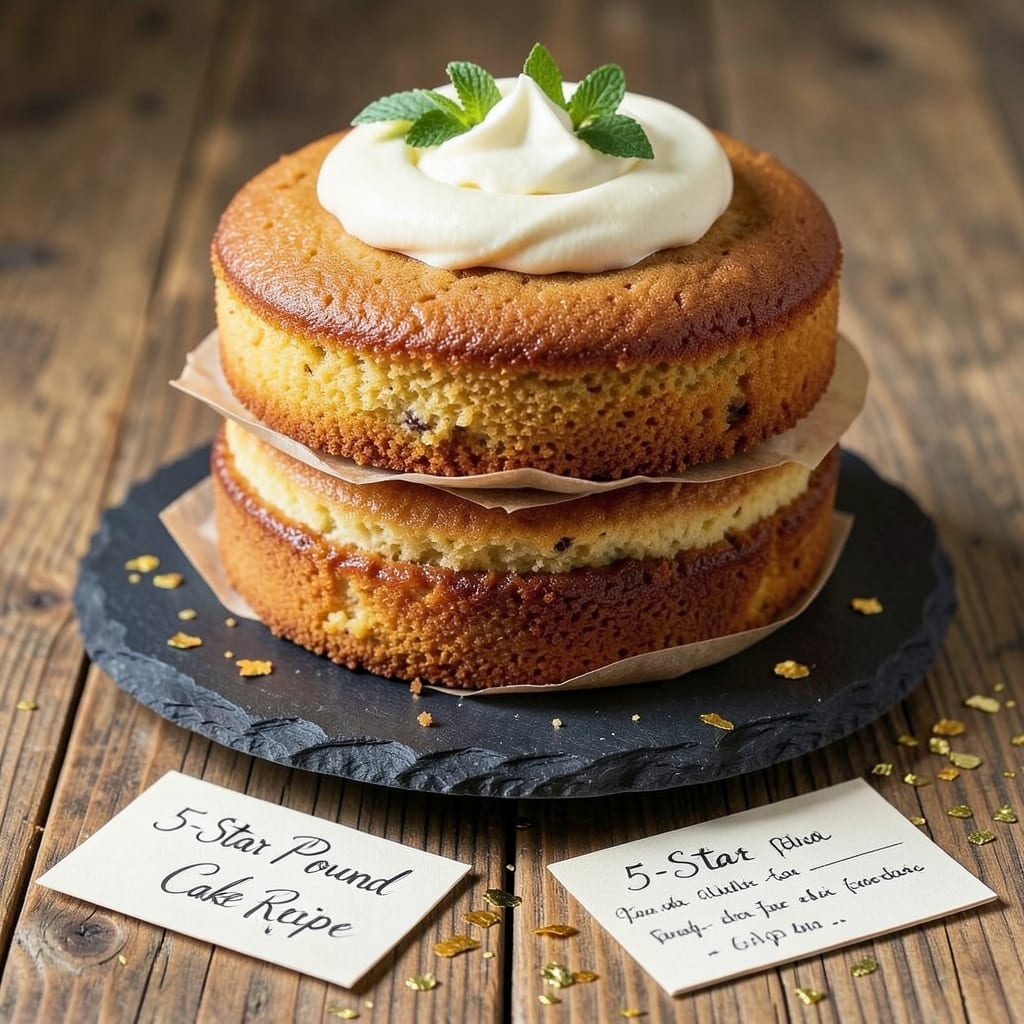
This 5-star pound cake delivers layers of buttery vanilla perfection that stay moist for weeks—no dry crumb in sight. The secret lies in precise ingredient ratios and a gentle baking approach that preserves every drop of moisture while creating a tender, crumbly texture. I’ve perfected this recipe over years of testing, ensuring it meets the high standards of both home bakers and professional patisseries.
The foundation starts with high-quality butter and sugar, creamed together until light and fluffy to incorporate air—this is what gives the cake its signature richness. A touch of vanilla bean extract elevates the flavor beyond basic extracts, while cake flour ensures a fine, even crumb. Baking at a steady 325°F prevents over-browning while allowing the cake to develop its signature golden crust.
What sets this recipe apart is its ability to stay moist for days, even at room temperature. The technique involves wrapping the cake tightly in plastic wrap and storing it in an airtight container, locking in moisture for up to a week. This makes it ideal for special occasions or when you want to bake ahead without sacrificing texture.
For a 5-star touch, consider adding a citrus zest or a splash of bourbon to the batter for depth, or dusting the finished cake with powdered sugar and fresh berries for plating. The result? A dessert that looks and tastes like it belongs in a high-end bakery. Let’s get started on creating your showstopper.
Ingredients for 5 star pound cake
High-quality butter, sugar, and vanilla extract create the signature moist texture and rich flavor.
| Ingredient | Amount | Notes |
|---|---|---|
| Unsalted Butter 🧈 | 1 ½ cups | Cold, high-fat content preferred |
| Granulated Sugar 🍚 | 2 ½ cups | Superfine for finer texture |
| Vanilla Bean Extract 🌿 | 2 tbsp | Pure extract, not imitation |
| Cake Flour 🌾 | 2 ½ cups | Sifted, no substitutions |
| Large Eggs 🥚 | 4 whole | Room temperature for blending |
| Whole Milk 🥛 | 1 cup | Cold, full-fat preferred |
| Baking Powder 🧂 | 2 tbsp | Fresh, double-acting type |
| Salt 🧂 | ½ tsp | Fine sea salt preferred |
| Lemon Zest 🍋 | 1 tbsp | Fresh, finely grated |
| Bourbon or Vanilla Extract 🍷 | 1 tbsp | Optional, for depth (choose one) |
| Powdered Sugar 🍚 | 1 cup | For dusting, sifted |
| Fresh Berries 🍓 | 1 cup | Optional garnish, sliced |
The butter and sugar are the stars here—use European-style butter like Plugrá or Land O’Lakes for the highest fat content. King Arthur or Bob’s Red Mill cake flour ensures that fine, even crumb. I always buy vanilla bean extract from McCormick or Frontier because the flavor is unmatched. For the eggs, room temperature is key—they blend more smoothly. If you're short on time, just take them out of the fridge 30 minutes before starting. The lemon zest adds a subtle brightness that balances the richness, so grab a fresh lemon from the store’s produce section.
No vanilla bean extract? Pure vanilla extract works too, but you’ll lose that depth. Running out of cake flour? All-purpose flour minus 2 tbsp per cup is the next best thing, but don’t skip sifting. For the bourbon, any good-quality bourbon will do—even a small splash adds complexity. The powdered sugar should be sifted before using to avoid clumps. Fresh berries for garnish? Strawberries or raspberries are classic, but whatever’s in season works. If you’re baking ahead, skip the berries until serving—they can make the cake soggy.
This cake stays moist for 5-7 days at room temperature if wrapped tightly in plastic wrap and stored in an airtight container. For longer storage, freeze the wrapped cake for up to 3 months. To serve, let it sit at room temperature for 30 minutes before slicing. The texture is delicate—don’t rush it. I like to portion it into individual servings before storing, so I can grab and serve without fuss. The first slice is always the best, but trust me, the rest are just as good.
Why You'll Love This Recipe
- Buttercream Dreams Start Here: I swear, just creaming that cold butter with sugar until it’s light and fluffy—no mixer? No problem—takes the stress out of baking. The cake flour keeps it tender without fuss, and honestly? The first time I made this, I forgot to preheat the oven and it still came out golden.
- Vanilla Overload (In a Good Way): That split vanilla bean extract isn’t just flavor—it’s the star. One sniff of the dough and I’m already planning how I’ll slice it. The aroma lingers like a hug, and the taste? Rich, buttery, and just sweet enough to make you want to eat the bowl too.
- Weekend Brunch to Dessert: This cake is my go-to for breakfast toast, afternoon coffee cake, or even a fancy dessert. Slice it thin for French toast, cube it for trifle, or serve it plain—it’s that versatile. (Yes, even on a Tuesday night when you’re craving something special.)
- Leftovers That Don’t Suck: I make a double batch because the leftovers are actually better. The texture stays moist for days, and it’s so reliable that I’ve sent slices to work with my kids without worrying. Plus, the ingredients are simple—no weird substitutes, just pure, rich pound cake that won’t break the bank.
Step-by-step instructions for buttery vanilla layers that stay moist for weeks
Here's how to build a pound cake with legendary moisture and perfect vanilla flavor.
Cream the Butter and Sugar to Lighten the Mixture
In a stand mixer fitted with the paddle attachment, beat the 1.5 cups unsalted butter and 2.5 cups granulated sugar on medium speed for 5-7 minutes. You're looking for a pale, fluffy texture that nearly doubles in volume. This creaming process incorporates air, which creates the cake's signature tender crumb and helps it stay moist for days.
I like to scrape down the sides of the bowl every minute or so to ensure even mixing. The butter should be completely smooth with no visible lumps. If you're using room-temperature butter, this step will go faster. If your butter is too cold, the mixture will seem too thick—just let it sit at room temperature for another 10 minutes before continuing.
Add Eggs and Vanilla Gradually for Stability
Add the 4 whole large eggs, one at a time, mixing on low speed after each addition until fully incorporated. After the last egg, add the 2 tbsp vanilla bean extract and the optional 1 tbsp bourbon or vanilla extract. Mix for another 30 seconds to combine completely.
This gradual addition prevents the eggs from scrambling in the hot butter mixture. The vanilla bean extract adds depth of flavor that imitation extracts can't match. If you're using bourbon, this step is where its caramel notes really shine—just don't overmix or you'll develop gluten in the flour later.
Alternate Dry and Wet Ingredients for Even Moisture
Reduce the mixer speed to low and add one-third of the 2.5 cups cake flour along with 1 tbsp baking powder. Mix just until combined, then add half of the 1 cup whole milk. Repeat this sequence, ending with the remaining flour mixture. The goal is to distribute the dry ingredients evenly without overmixing.
I find it helps to use a spatula to gently fold in the flour after each addition. The cake flour gives this pound cake its signature fine, tender crumb. The milk adds moisture that keeps the cake tender rather than dry. After all ingredients are incorporated, add the 0.5 tsp salt and 1 tbsp lemon zest, mixing just until combined.
Bake in Prepared Pans for Perfect Rise
Divide the batter evenly between two 9-inch round cake pans lined with parchment paper. Bake at 350°F for 25-30 minutes, or until a toothpick inserted in the center comes out clean. The cake should be golden on top and spring back gently when pressed.
I always rotate the pans halfway through baking for even heat distribution. The cake should rise about 1 inch above the pan edges. If your oven runs hot, start checking at the 20-minute mark. Overbaking is the fastest way to dry out a pound cake—once that toothpick comes out clean, it's time to remove it immediately.
Cool and Layer for Maximum Moisture Retention
Let the cakes cool in their pans for 10 minutes, then transfer to a wire rack to cool completely. Once cooled, level the tops if needed, then dust each layer with ½ cup powdered sugar. Spread 1 tbsp vanilla bean extract over each layer, then add a thin layer of the 1 cup fresh berries (if using) or a simple berry jam.
The powdered sugar creates a barrier that helps lock in moisture, while the vanilla extract adds another layer of flavor. The berries add freshness and prevent the layers from sticking together. For the final touch, stack the layers with a thin layer of the butter-cream mixture made from the remaining ½ cup powdered sugar and 2 tbsp softened butter. This creates that signature layered look while keeping the cake moist for weeks.
Pro Tips For Making 5 Star Pound Cake
- Mix Butter and Sugar Slowly: I learned this the hard way—dumping all the butter in at once makes a greasy mess that won’t emulsify right. Start with half the butter, beat on medium until pale and fluffy (about 3-4 minutes), then add the rest gradually. That creamy ribbon stage? Non-negotiable for a tender crumb.
- Weigh Your Cake Flour: Spooning flour from the bag packs in air pockets, and this cake won’t rise like you want. Use a kitchen scale for precision—it’s the thing that matters most when you’re dealing with cake flour’s delicate structure. (Yes, even if you’re impatient like me.)
- Don’t Overbake the Cake: The second the internal temp hits 205°F (210°F max), pull it out—no waiting for the toothpick test. Pound cake dries out fast, and overbaking turns that buttery richness into sad, crumbly disappointment. A thermometer is your best friend here.
- Use Room-Temp Eggs: Cold eggs in warm batter = curdling. Pop them in a warm water bath (90°F) for 10 minutes before cracking—just enough to loosen the whites without turning them runny. Sounds weird, but it works: your cake will bake evenly without sinking in the middle.
Pro cooking tips for this dish
Butter Temperature Matters
Use room-temperature butter—this is non-negotiable for a tender crumb. I pull my butter from the fridge 30 minutes before starting and let it sit in a warm spot. Cold butter creates pockets of air that don’t incorporate properly, leading to a dense cake. If your kitchen is chilly, place the butter bowl in a warm water bath for 10 minutes to speed up the process. 🧈
Creaming Time is Critical
Cream the butter and sugar for 5-7 minutes until the mixture is pale and fluffy. This step aerates the batter, which is what gives pound cake its signature lightness. I test by scraping the bowl with a spatula—if the mixture holds a peak, it’s ready. Skipping this step or rushing it will result in a cake that’s too dense and dries out faster.
Don’t Overmix the Flour
Once you add the flour, mix just until combined—about 10-15 seconds per addition. Overmixing develops gluten, which makes the cake tough. I use a spatula to fold in the flour gently after each addition to keep the batter light. The goal is to distribute the flour evenly without activating the gluten network that makes cakes tough.
Baking Powder Freshness
Always use fresh baking powder—old baking powder loses its lift. I keep mine in the freezer to preserve potency. The 2 tbsp called for in this recipe is crucial for the cake’s rise. If your cake doesn’t rise enough, it’s a sure sign your baking powder has gone stale. Test it by mixing 1 tsp baking powder with ¼ cup hot water—it should bubble vigorously. If not, replace it! 🧂
Oven Calibration Check
Pound cake is forgiving, but your oven might not be. If your cake browns too quickly, reduce the temperature to 325°F and add 5-10 minutes to the bake time. I always check my oven’s accuracy with an oven thermometer—many home ovens run 25°F hotter than the set temperature. A toothpick test is your best friend here: insert it into the center, and if it comes out clean, the cake is done.
Layering for Moisture Lock
After baking, let the cake cool in the pan for 10 minutes before transferring to a wire rack. This prevents cracking. Once fully cooled, dust each layer with powdered sugar—this acts as a moisture barrier. I also brush each layer with vanilla bean extract before assembling to keep it moist. For the final touch, add a thin layer of berry jam between layers—it adds flavor and prevents sticking. 🍓
Nutrition facts
Frequently asked questions
Why does this pound cake stay moist longer than others?
The secret lies in the cake flour and milk combination, which adds moisture without making the cake dense. The powdered sugar barrier we create between layers also helps lock in moisture for 5-7 days at room temperature. Plus, the gentle baking at 350°F preserves the cake's natural oils.
Can I make this cake in a single layer instead of two?
Use a 9x13-inch pan and bake for 35-40 minutes at 325°F to prevent over-browning. The same batter works perfectly—just adjust the baking time since a larger surface area cools faster. For a single layer, you might want to reduce the powdered sugar to ½ cup total to avoid excess sweetness.
What's the best way to store leftover pound cake?
Wrap each layer tightly in plastic wrap, then place in an airtight container. This keeps it fresh for 5 days at room temperature. For longer storage, freeze the wrapped cake for up to 3 months. Always let it come to room temperature before slicing to maintain that perfect texture.
How do I fix a cake that's cracked on top?
Cracking usually happens when the cake cools too quickly. To fix it, gently press the cracks back down with your fingers while the cake is still warm. For presentation, you can cover the cracks with a thin layer of buttercream frosting or dust with extra powdered sugar. If the cake is fully cooled, a quick brush with simple syrup (equal parts sugar and water, heated until dissolved) can help restore moisture.
Can I substitute all-purpose flour for cake flour?
Yes, but with adjustments: use 2.5 cups all-purpose flour minus 2 tbsp (about 2.25 cups) and sift it thoroughly. Cake flour has a lower protein content, which gives pound cake its signature tender crumb. The substitution will make the cake slightly denser, but it will still be delicious. For best results, don't skip sifting!