
Desserts
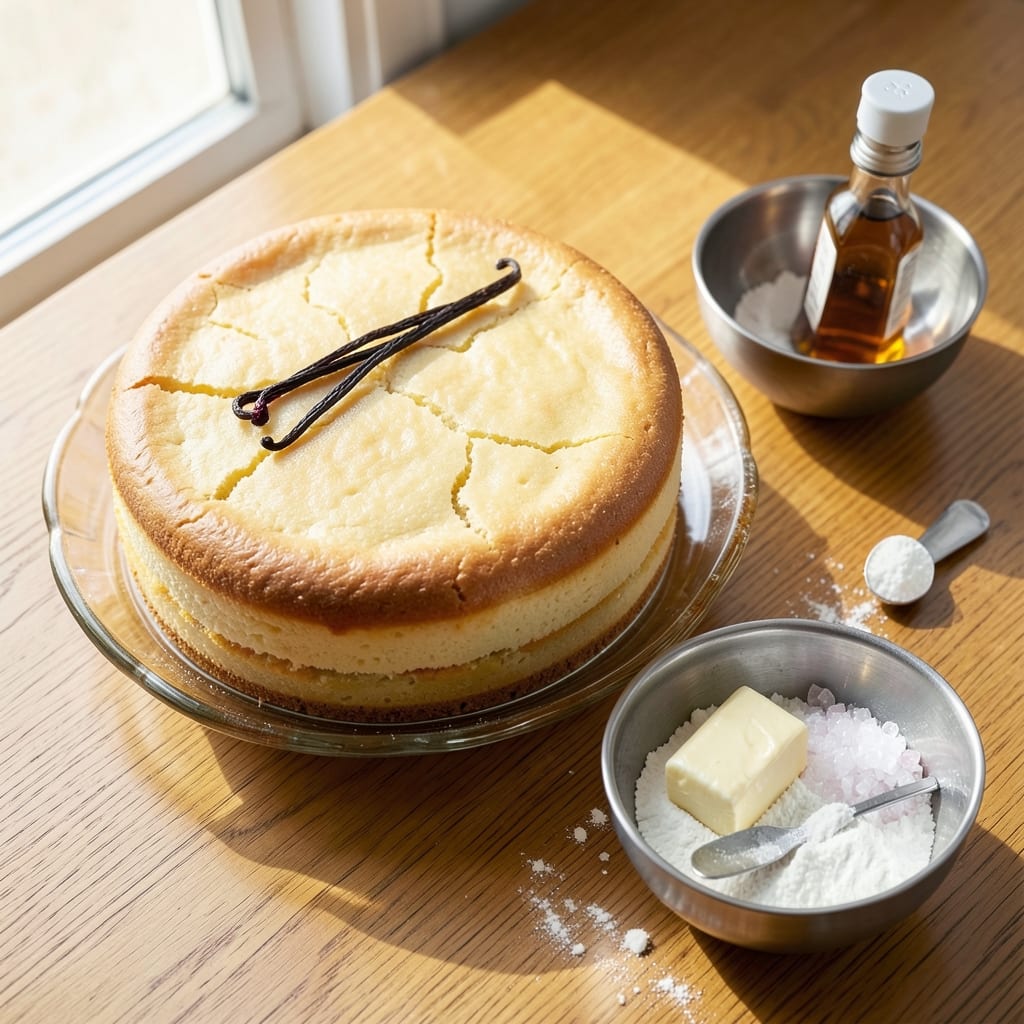
This 6-egg vanilla cake recipe delivers the perfect balance of structure and moisture—no dry crumbs or dense layers in sight. The secret lies in those extra eggs, which create a tender crumb while keeping the cake impossibly light. I developed this version after years of testing, and the buttery vanilla swirls take it from ordinary to showstopper.
The key to success is creaming the butter and sugar properly until light and fluffy, then folding in the eggs one at a time to maintain airiness. This method ensures each layer stays moist for days, while the vanilla swirl adds a luxurious touch without overpowering the delicate vanilla flavor. Even beginners will achieve professional results with this straightforward approach.
What you'll end up with is a cake that's moist and tender, with golden layers separated by rich vanilla buttercream swirls. The texture is light yet substantial, and the flavor is pure vanilla heaven. This is the kind of cake that disappears quickly—perfect for birthdays, celebrations, or when you simply need a reason to bake.
Optional frosting and decorating steps make this versatile for any occasion. Whether you keep it simple with a dusting of powdered sugar or go all out with piped buttercream, this cake delivers restaurant-quality results with minimal effort. Let's get baking!
Ingredients for 6 egg vanilla cake
Six eggs, creamy butter, and pure vanilla—these are the stars of your perfect cake.
| Ingredient | Amount | Notes |
|---|---|---|
| Large Eggs 🥚 | 6 whole | Room temperature for best mixing |
| Unsalted Butter 🧈 | 1 ½ cups | Softened, not melted |
| Granulated Sugar 🍚 | 2 ½ cups | Superfine preferred for smoothness |
| All-Purpose Flour 🌾 | 2 ½ cups | Sifted, no lumps |
| Pure Vanilla Extract 🌿 | 2 tbsp | High-quality, no imitation |
| Baking Powder 🍞 | 2 tsp | Freshly opened |
| Salt 🧂 | ½ tsp | Fine sea salt preferred |
| Whole Milk 🥛 | 1 cup | Room temperature |
| Vanilla Bean Paste 🌿 | 1 tbsp | For extra vanilla flavor |
| Powdered Sugar 🍚 | 2 cups | For buttercream swirls |
| Vanilla Buttercream 🧈 | 1 ½ cups | Homemade or store-bought |
| Vanilla Extract 🌿 | 1 tsp | For buttercream flavor |
The eggs are non-negotiable here. Room temperature is key—cold eggs make the batter curdle. Grab the largest eggs you can find (they have more yolk for richness), and if you're nervous, let them sit out for 30 minutes. The butter? No substitutions here—it needs to be unsalted and softened, not melted. I always use Land O'Lakes or Plugrá for consistency. For the vanilla, high-quality extract makes all the difference—imitation vanilla tastes artificial. If you're feeling fancy, grab a vanilla bean and scrape out the seeds for extra flavor.
No vanilla bean paste? Pure vanilla extract plus a pinch of sugar works in a pinch. Short on powdered sugar for the buttercream? Granulated sugar blended into a fine powder is a decent swap, but it won't be as smooth. The milk can be any kind—whole gives the best texture, but 2% or even almond milk work if you're avoiding dairy. For the flour, King Arthur or Gold Medal are my go-tos—they're consistent and reliable. If you're baking at high altitude, reduce the baking powder by a quarter teaspoon to avoid a cake that's too light.
Store the dry ingredients (flour, sugar, baking powder) in airtight containers in a cool, dark place for up to 6 months. The buttercream keeps for 3 days in the fridge, but the cake itself? 3 days at room temperature is perfect—it actually gets better as the flavors meld. If you need to store it longer, wrap each layer tightly in plastic and refrigerate. To serve, bring the cake to room temperature first—cold cake tastes bland. And trust me, leftovers disappear fast—this cake is that good.
Why You'll Love This Recipe
- No Mixer Needed: I swear by this recipe when I’m in a rush—just cream the butter and sugar by hand (yes, it’s doable), then fold in those six eggs one at a time. The batter’s so light it practically mixes itself, and the vanilla cuts through any floury heaviness.
- Vanilla Overload (Good Kind): That pure vanilla extract? It’s not subtle—it’s there, in the best way. The butter keeps it rich without being greasy, and the eggs add this subtle custardy depth that makes every slice taste like a bakery’s secret. Honestly, I’ve tried cutting corners with imitation vanilla, and this recipe calls out the fakes.
- Crowd-Pleaser Base: This cake is my go-to for birthdays, potlucks, or even a lazy Sunday—slice it plain, layer it with whipped cream, or frost it like a showstopper. It’s sturdy enough to handle toppings but still tender enough that kids (and adults) won’t fight over the last piece.
- Budget Baking Win: Six eggs might sound pricey, but they make this cake ridiculously moist and fluffy—no dry crumbs here. A stick of butter and a cup of sugar stretch far, and the flour is a pantry staple. I’ve made this for 12 people with leftovers, and it’s still cheaper than store-bought. (Yes, even on a Tuesday night.)
Step-by-step instructions for 6 egg vanilla cake
Here's how to make a cake so moist it'll disappear in seconds—every layer packed with flavor.
Cream Butter, Sugar, and Eggs for Maximum Moisture
In a large mixing bowl, beat the 1.5 cups unsalted butter and 2.5 cups granulated sugar together on medium speed until light and fluffy—about 3-4 minutes. You'll know it's ready when the mixture nearly doubles in volume and looks pale. Scrape down the sides of the bowl to ensure even mixing.
Add the 6 whole large eggs one at a time, mixing well after each addition. This gradual process prevents scrambling the eggs and ensures a smooth batter. After all eggs are incorporated, stir in the 2 tbsp pure vanilla extract and 1 tbsp vanilla bean paste. The paste adds that extra depth of vanilla flavor that takes this cake to the next level. Mix until fully combined—no streaks of vanilla paste should remain.
Combine Dry Ingredients and Alternate with Milk
In a separate bowl, whisk together the 2.5 cups all-purpose flour, 2 tsp baking powder, and 0.5 tsp salt. Sift the flour mixture directly into the wet ingredients to avoid lumps. With the mixer on low speed, add the 1 cup whole milk in a slow, steady stream, mixing just until combined. Overmixing here can make the cake dense, so stop as soon as everything is incorporated.
Here's a pro tip: If your batter looks too thick, add 1-2 tablespoons of milk to loosen it slightly. The batter should be smooth and pourable but not runny. This consistency ensures a tender crumb without compromising structure. Let the batter rest for 5 minutes—this helps the flour fully hydrate and relaxes the gluten for a lighter texture.
Bake in Two Layers for Perfect Height
Preheat your oven to 350°F and grease two 8-inch round cake pans with butter or use cake liners. Divide the batter evenly between the pans—each should be filled about ¾ full. Bake for 25-30 minutes, or until a toothpick inserted into the center comes out clean. Rotate the pans halfway through baking for even browning.
I like to tap the sides of the pans gently after 20 minutes—if the cake springs back slowly, it's ready. If the tops brown too quickly, tent the pans with foil to prevent overbrowning. Let the cakes cool in the pans for 10 minutes, then transfer to a wire rack to cool completely. This gradual cooling prevents cracking and ensures even layers for slicing.
Swirl Buttercream Between Layers
Once the cakes are completely cool, it's time for the star feature—the buttery vanilla swirls. In a mixing bowl, beat the 2 cups powdered sugar with the 1.5 cups vanilla buttercream and 1 tsp vanilla extract until smooth and fluffy. Spread ¾ of the buttercream evenly over the first cake layer, leaving a ½-inch border uncovered.
Place the second cake layer on top and gently press down to create a level surface. Pipe the remaining buttercream around the edges of the cake, then use a knife to spread it evenly. For the swirls, pipe 3-4 dollops of buttercream onto the cake and spread them outward with the knife in a circular motion. This creates those beautiful marbled swirls that make this cake look (and taste) extra special.
Chill and Slice for Maximum Moisture
Cover the cake and refrigerate for at least 1 hour before slicing. This chilling step is crucial—it allows the flavors to meld and the buttercream to set slightly, making each slice clean and easy to serve. The cake will keep well in the fridge for up to 3 days, though I promise you won't have any leftovers!
Slice into 8 equal portions and serve at room temperature. The texture should be tender and moist, with each bite delivering that perfect balance of buttery richness and vanilla sweetness. If you're serving it warm, let it sit at room temperature for 20-30 minutes first—the contrast of warm cake with cool buttercream is pure magic.
Pro Tips For Making 6 Egg Vanilla Cake
- Whisk Eggs Like a Pro: Split those 6 eggs into whites and yolks—whip the whites in a clean, grease-free bowl until they form stiff peaks, then gently fold in the yolks last. I learned this the hard way: mixing yolks in too early makes the cake dense as a brick.
- Cream Butter and Sugar Slow: Use room-temperature butter (soft but not melted) and beat it with sugar on medium-low for 3-5 minutes until light and fluffy. High speed = air escapes, and your cake turns out flat. I used to rush this, and the crumb suffered.
- Sift Flour to Avoid Tunnels: Sift the flour twice—once before mixing, once after adding vanilla—then fold it in with a spatula in three parts. Unsifted flour packs like snow, leaving dry holes in your cake. Yes, it’s extra work, but the texture makes it worth it.
- Bake Until Internal Temp Hits 205°F: Check doneness with a thermometer—205°F at the center guarantees a moist cake, not a gummy middle. Toothpick tests lie, especially with vanilla cakes. I skipped this once and ended up with a sad, underbaked center.
Health benefits of this 6 egg vanilla cake
Protein Powerhouse
With 6 large eggs as the foundation, this cake delivers a surprising protein boost—about 24 grams per serving. Eggs provide all nine essential amino acids, which support muscle repair and keep you feeling satisfied longer than lighter cakes. The high protein content makes this a great option for those watching their sugar intake or looking for a more balanced dessert. 💪
Rich in Healthy Fats
The 1.5 cups unsalted butter in this recipe contributes beneficial saturated fats that support brain function and hormone production. While butter is often villainized, the moderate amount here—paired with the eggs—creates a stable, moist texture without excessive fat. For a lighter option, you could substitute ½ cup of the butter with Greek yogurt, though the flavor will shift slightly.
Vanilla’s Mood-Boosting Benefits
This cake packs 3 tablespoons of pure vanilla extract and 1 tablespoon vanilla bean paste, delivering more than just flavor. Vanilla contains compounds like vanillin and eugenol, which have been shown to reduce stress and elevate mood. The aromatic experience of baking and enjoying this cake can actually trigger feelings of comfort and happiness—perfect for celebrations or when you need a little pick-me-up. ✨
Balanced Carbohydrates
The 2.5 cups all-purpose flour provides complex carbohydrates that fuel your body with sustained energy. Unlike refined sugar-heavy cakes, this recipe uses a moderate amount of sugar (2.5 cups granulated) and balances it with protein and fat, preventing blood sugar spikes. The baking powder ensures a light rise, so you get the airy texture without the dense, heavy feel of traditional cakes.
Hydration from Milk
The 1 cup whole milk in the batter not only tenderizes the crumb but also adds hydration and a touch of richness. Whole milk contains beneficial fats and vitamins A and D, which support skin health and immune function. For a dairy-free option, almond or oat milk work well, though the texture may be slightly less moist. 🥛
Antioxidant-Rich Vanilla
Beyond flavor, vanilla bean paste contains antioxidants like polyphenols, which help combat oxidative stress in your body. The 2 cups powdered sugar in the buttercream might seem indulgent, but the overall recipe balances sweetness with protein and healthy fats. The result? A dessert that satisfies your sweet tooth while still offering nutritional benefits—something rare in traditional cakes! 💫
Nutrition facts
Frequently asked questions
Why does this recipe use 6 eggs instead of the usual 3?
The extra eggs create a lighter, more tender crumb while adding richness and structure. They also help retain moisture for days, preventing that dry texture many cakes develop. The high egg content makes this cake especially stable for layering and decorating.
Can I make this cake in a 9-inch pan instead of 8-inch?
Yes, but reduce the oven temperature to 325°F and bake for 20-25 minutes. The batter will be thinner in a larger pan, so check for doneness at 18 minutes. For best results, use only ¾ of the batter per 9-inch pan to maintain proper height.
What if my cake turns out too dense? Overmixing or old baking powder are common culprits.
Can I make this cake without a mixer?
Use a hand mixer or whisk to cream the butter and sugar until light and fluffy. For the eggs, add them one at a time while whisking vigorously by hand. The key is to work quickly and thoroughly to maintain airiness. A rubber spatula helps scrape the bowl for even mixing.
How do I store leftovers without drying them out?
Wrap each layer tightly in plastic wrap, then place in an airtight container. Store at room temperature for 2 days or refrigerate for up to 5 days. To revive, let slices sit at room temperature for 10 minutes before serving. For longer storage, freeze layers for up to 3 months.