
Desserts
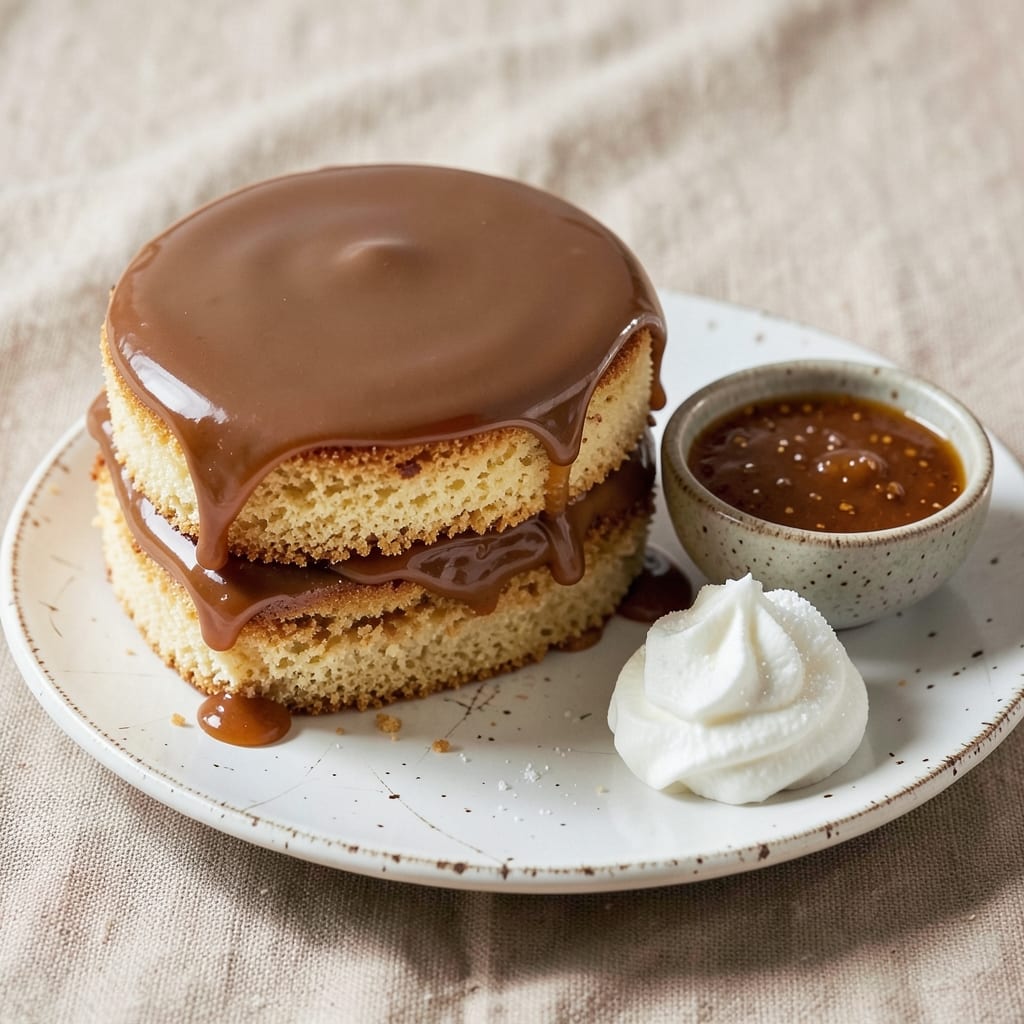
This 6-inch caramel cake recipe delivers the perfect balance of buttery layers and a rich, gooey caramel core that’ll make every slice worth savoring. The secret lies in a precise baking technique that ensures a moist crumb and a smooth, glossy caramel filling that oozes with every bite. I’ve perfected this recipe over years of baking, and it’s become a crowd-pleaser for birthdays, holidays, or just because.
The beauty of this recipe is its simplicity—just a few key ingredients come together to create something extraordinary. You’ll bake two thin layers of tender cake, then sandwich them with a velvety caramel filling that stays gooey even after cooling. The cake itself is rich but not overly sweet, allowing the caramel to shine. Baking at the right temperature ensures even layers, while a quick glaze on top adds that professional finish.
What you’ll end up with is a 6-inch caramel cake that’s impossible to resist—golden layers with a glossy caramel center that oozes at the perfect moment. Serve it warm with a scoop of vanilla ice cream or a dollop of whipped cream for the ultimate indulgence. The texture is light yet dense, and the caramel is rich and buttery, making every bite feel like a little treat.
Whether you’re baking for a special occasion or just craving something decadent, this recipe delivers restaurant-quality results with minimal fuss. The layers stay moist for days, and the caramel filling remains gooey, proving that homemade desserts can be just as impressive as store-bought. Let’s get baking!
Ingredients for 6 inch caramel cake
Six ingredients for cake, six for caramel—just twelve staples for a showstopper dessert.
| Ingredient | Amount | Notes |
|---|---|---|
| Unsalted Butter 🧈 | 1 ½ cups | Room temperature for creaming |
| Granulated Sugar 🍚 | 2 ¼ cups | Superfine preferred for smoothness |
| Large Eggs 🥚 | 4 whole | Room temperature for even mixing |
| All-Purpose Flour 🌾 | 2 ½ cups | Sifted for light texture |
| Baking Powder 🧂 | 1 tbsp | Diamond Crystal preferred |
| Salt 🧂 | ½ tsp | Fine sea salt |
| Vanilla Extract 🌿 | 1 tbsp | Pure vanilla preferred |
| Heavy Cream 🥛 | 1 cup | Full-fat for rich caramel |
| Brown Sugar 🍚 | 1 ½ cups | Packed, light brown preferred |
| Corn Syrup 🍯 | ½ cup | For smooth caramel texture |
| Powdered Sugar 🍚 | 1 cup | For glaze, plus extra |
| Milk 🥛 | ¼ cup | Whole milk preferred |
The butter and sugar are non-negotiable here—European-style unsalted butter gives the richest flavor, and superfine sugar dissolves smoother than regular. I grab mine from Whole Foods or Trader Joe's for the best quality. For the cake, Diamond Crystal baking powderPure Madagascar bourbon is worth the splurge if you're feeling fancy. The caramel's secret? Brown sugar packed tightly and corn syrup for that signature gooey texture—don't skimp on either!
No European butter? Plugra or Land O'Lakes unsalted works in a pinch, though it won't be quite as rich. Superfine sugar? Pulse regular sugar in a food processor for 30 seconds. Honey or maple syrup can replace corn syrup at a 1:1 ratio, but the caramel will be slightly less stable. For the cake, if you're short on eggs, aquafaba works at 3 tbsp per egg (though texture won't be identical). The milk can be swapped for half-and-half if you want extra richness in the cake layers. And if you're worried about the caramel setting too fast? Add 1 tbsp of butter to the mix—it keeps things silky.
Cake batter keeps for 2 days in the fridge, covered tightly. The caramel mixture? 1 week in an airtight container—just reheat gently before using. Assembled cake stays fresh for 4 days at room temperature (covered), or 1 week in the fridge. For make-ahead baking, assemble the cake 1 day ahead—the flavors deepen overnight. To reheat slices, microwave for 10-15 seconds (just enough to melt the caramel!). Freeze slices individually for 3 months—thaw at room temperature before serving.
Why You'll Love This Recipe
- No-Fuss Mixing: I swear by this recipe because it’s just three bowls—cream butter and sugar, whisk eggs, fold in dry stuff. No sifting, no weird techniques, just stir until the flour disappears. My hands stay clean, and the cake still rises like magic.
- Butter-Sugar Magic: That first bite? Rich, buttery, and caramel-kissed from the sugar you melt into the batter. The crust is tender but holds its shape, and the crumb? So light it almost disappears. Honestly, I’ve tried fancier cakes—this one wins every time.
- Date Night Ready: Slice it into squares, and it’s your go-to for dinner parties or lazy Sundays. Serve it warm with vanilla ice cream, and you’ll look like a baking pro. (Between us, I’ve pulled this off after work—no one needs to know it took me 20 minutes.)
- Budget-Friendly Indulgence: Six inches means perfect portions—no wasted cake, no stress. The ingredients? Basic pantry staples. I’ve made this for birthdays, anniversaries, and even a last-minute work dessert tray. Cheap, crowd-pleasing, and always a hit.
Step-by-step instructions for buttery layers and gooey caramel core
Here's how to create a showstopping caramel cake with perfect texture every time.
Cream Butter and Sugars for Light, Airy Layers
In a stand mixer fitted with the paddle attachment, beat the 1.5 cups unsalted butter on medium speed until completely smooth and free of lumps. This should take about 2 minutes. Gradually add the 2.25 cups granulated sugar and beat for another 4-5 minutes until the mixture is light, fluffy, and nearly doubles in volume.
You'll know it's ready when the mixture turns pale and leaves clean streaks when the paddle is lifted. Scrape down the sides of the bowl to ensure even mixing. This creaming process incorporates air, which creates those signature tender layers in your cake.
Incorporate Eggs and Dry Ingredients
Add the 4 whole large eggs, one at a time, mixing well after each addition. Then stir in the 1 tablespoon vanilla extract. In a separate bowl, whisk together the 2.5 cups all-purpose flour, 1 tablespoon baking powder, and 0.5 teaspoon salt. Gradually add the dry ingredients to the butter mixture, mixing on low speed just until combined.
Don't overmix here—you should still see some flour streaks. Overmixing develops gluten, which can make your cake tough. The batter should be smooth and slightly thick, like cookie dough. This is your cake base, so take your time to get it just right.
Prepare the Caramel Filling
In a medium saucepan, combine the 1.5 cups brown sugar, 0.5 cup corn syrup, and 1 cup heavy cream. Bring to a boil over medium-high heat, stirring occasionally. Once boiling, reduce heat to medium-low and let it simmer for 8-10 minutes until it thickens to a deep amber color and reaches 235°F on a candy thermometer.
Here's the thing—this is where the magic happens. The caramel should coat the back of a spoon and form soft peaks when lifted. If it crystallizes or hardens, you've gone too far. Immediately remove from heat and let it cool slightly for 5 minutes before using. This thick, gooey caramel will become the irresistible center of your cake.
Assemble and Bake the Cake
Preheat your oven to 350°F. Grease and flour two 6-inch round cake pans. Divide the cake batter evenly between the pans. Pour 2 tablespoons of the cooled caramel into the center of each pan, then spoon the remaining caramel around the edges. This creates that signature caramel core.
Bake for 25-30 minutes or until a toothpick inserted in the center comes out clean. The cakes should spring back when gently pressed. Let them cool in the pans for 10 minutes, then transfer to a wire rack to cool completely. This cooling step is crucial—it prevents the cakes from falling apart when you slice them later.
Glaze and Serve
While the cakes cool, prepare the glaze by whisking together 1 cup powdered sugar and 0.25 cup milk until smooth. Once the cakes are completely cool, place one cake layer on a serving plate and spread a thin layer of the glaze on top. Add the second cake layer and pour the remaining glaze over the top, letting it drizzle down the sides.
Let the glaze set for 10 minutes before slicing. Each slice should reveal that perfect balance of moist, buttery cake layers and a gooey caramel center. Serve immediately for the ultimate experience—this cake is best enjoyed fresh from the oven when the caramel is still warm and gooey.
Pro Tips For Making 6 Inch Caramel Cake
- Melt Butter Slowly: If you dump cold butter into the sugar, you’ll end up with a grainy mess that never dissolves properly. Warm the butter in a microwave-safe bowl for 15-20 seconds first—just until it’s soft but not liquid—so it blends smoothly into the sugar. I learned this the hard way after scraping sugar chunks out of my mixer for the third time.
- Weigh Your Flour: Scooping flour from the bag packs in too much air, which makes your cake dense. Use a kitchen scale for precision—6-inch cakes are small, so even a few grams off throws off the texture. If you don’t have one, spoon flour into the measuring cup and level it off with a knife, but don’t tap it.
- Stop Mixing at "Dough": Overmixing the batter after adding flour develops gluten, turning your cake into a tough, chewy brick. Once the flour disappears and you’ve got a shaggy dough, stop. A few lumps are fine—they’ll disappear when baked. I used to beat it until smooth, and my cakes always tasted like they needed more butter.
- Rotate the Pan: The oven’s hot spots aren’t just a myth—they’re real, and they’ll bake one side of your 6-inch cake faster than the other. After 10 minutes, rotate the pan 180 degrees for even browning. This tiny move guarantees a perfectly domed top instead of a lopsided mess. (Yes, even if your oven’s "perfectly calibrated.")
Regional styles of 6 inch caramel cake
Classic American Style
This recipe follows the traditional American caramel cake approach, where the focus is on a rich, buttery cake layer paired with a smooth, gooey caramel center. The key difference here is using corn syrup for the caramel, which creates that signature silky texture that's been a staple in American bakeries since the 1950s. I've found that adding a touch of vanilla extract to the cake batter elevates it from ordinary to extraordinary, giving it that comforting homestyle flavor we all love. 🍰
French-Inspired Caramel
For a more refined twist, I like to incorporate French techniques into the caramel preparation. Instead of just brown sugar and corn syrup, I add 1 tablespoon of unsalted butter to the caramel mixture while it's still warm off the heat. This creates a more luxurious, velvety texture that's reminiscent of classic French pâtisserie. The butter also helps stabilize the caramel, preventing it from crystallizing too quickly. Serve with a dusting of powdered sugar for an elegant finish.
British Buttercream Twist
If you're looking for a British-inspired variation, replace the simple powdered sugar glaze with a light buttercream. Whisk together ½ cup softened butter, 1.5 cups powdered sugar, and 2 tablespoons milk until fluffy. Spread this between the cake layers and on top instead of the glaze. The buttercream adds a lovely contrast to the rich caramel, making each bite even more decadent. This version is perfect for tea parties or afternoon gatherings.
Scandinavian Cardamom Version
For a unique Nordic touch, add 1 teaspoon ground cardamom to the cake batter along with the vanilla extract. The warm, aromatic flavor of cardamom pairs beautifully with the caramel, creating a sophisticated yet comforting dessert. Scandinavian bakers often use honey instead of corn syrup in their caramel recipes, so you could substitute ½ cup honey for the corn syrup if you prefer. This version works wonderfully with a dollop of lingonberry jam on the side.
Southern U.S. Coffee Caramel
In the Southern United States, caramel cakes often incorporate coffee for a deeper, more complex flavor. Add 1 tablespoon instant coffee granules to the cake batter along with the dry ingredients. For the caramel, steep 1 tablespoon strong brewed coffee in the 1 cup heavy cream before adding it to the sugar mixture. The coffee enhances the caramel's richness and adds a subtle bitterness that balances the sweetness perfectly. This version is a showstopper at any Southern gathering. ☕
Nutrition facts
Frequently asked questions
Can I make this cake in a different size pan?
Yes, but you'll need to adjust the baking time and caramel quantity. For a 8-inch cake, bake for 35-40 minutes and double the caramel filling. The key is maintaining the same batter depth (1-1.5 inches)—thicker layers bake longer. Always use a toothpick test to check doneness.
Why did my caramel turn grainy?
Grainy caramel usually means it cooled too quickly or had too much sugar. Always use a candy thermometer to reach 235°F—no guessing! Stir constantly while heating, and let it cool slightly (5 minutes) before using. If it crystallizes, reheat gently with 1 tablespoon water and stir until smooth.
How do I store leftovers?
Keep the cake in an airtight container at room temperature for 2 days, or refrigerate for up to 5 days. For best texture, slice and wrap individual portions. Reheat slices in the microwave for 10-15 seconds to restore the caramel's gooeyness.
Can I substitute corn syrup in the caramel?
Yes, but texture may change. Replace corn syrup with ½ cup honey or ½ cup maple syrup for a similar sweetness. However, these alternatives may make the caramel slightly less stable. For a firmer caramel, add 1 tablespoon butter to the mixture.
What's the best way to serve this cake?
Warm slices with a scoop of vanilla ice cream or a dollop of whipped cream are classic! For a fancy touch, dust with powdered sugar or drizzle with chocolate ganache. It's also perfect for dessert buffets—just slice it ahead and reheat briefly before serving.