
Desserts
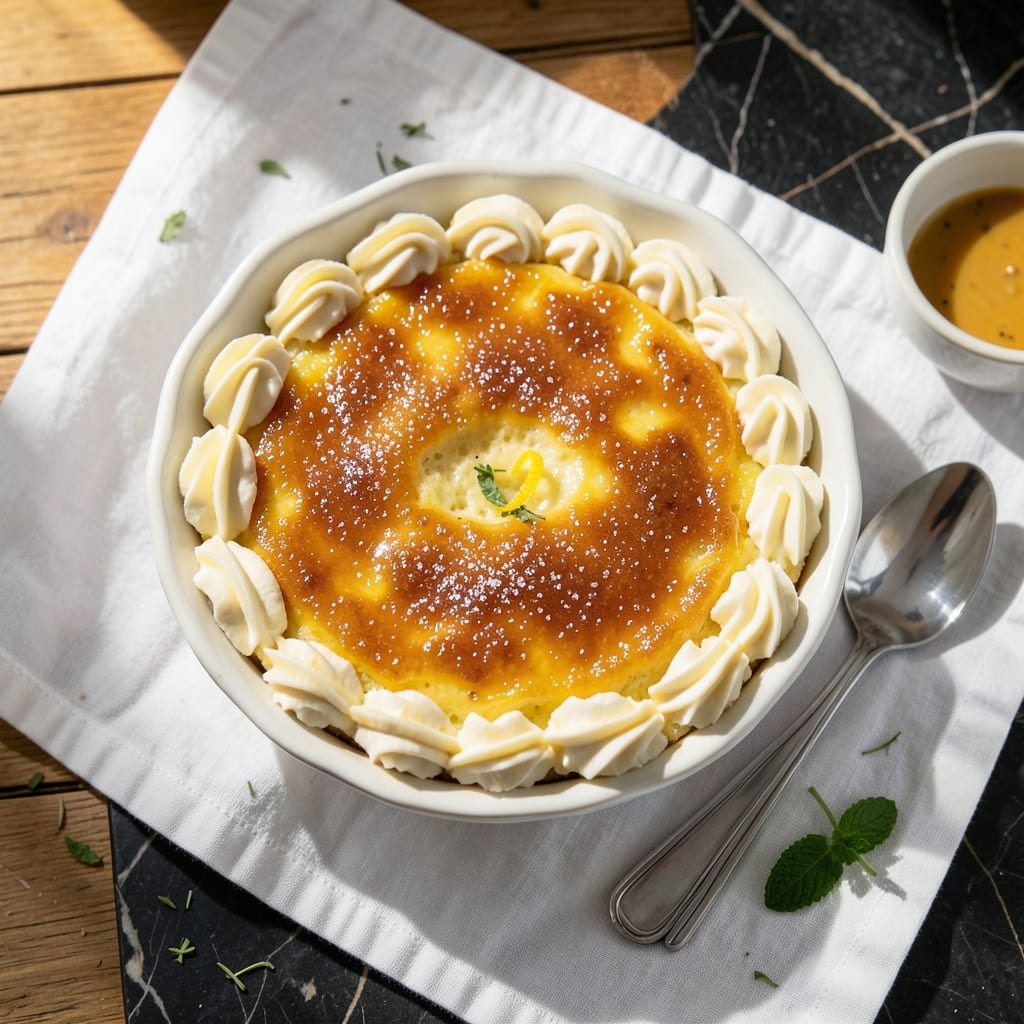
This 8-egg yolk cake recipe delivers the perfect balance of crispy golden top and ultra-moist center—a texture that separates it from ordinary cakes. The secret lies in the science of egg yolks: their natural emulsifiers create a tender crumb while the high heat transforms the surface into an irresistible crust. I’ve baked countless versions, and this method consistently delivers that coveted contrast without a single crack or dry bite.
The process is straightforward but requires precision—separating eggs carefully, whipping yolks to ribbons, and folding dry ingredients just until combined. A hot oven (425°F) ensures that crispy top while the cake’s interior stays luscious. The key is patience: letting the cake cool gradually prevents the top from collapsing, preserving that perfect texture you crave.
What you’ll end up with is a cake that’s rich, velvety, and decadently moist at the core, with a shatteringly crisp exterior that holds up to slicing. The flavor is subtle yet deeply satisfying, with none of the heaviness you might expect from a high-yolk recipe. This is the kind of cake that disappears quickly—perfect for celebrations or when you want to impress without fuss.
Whether you’re serving slices warm or at room temperature, the contrast between the crispy top and moist center makes every bite unforgettable. Let’s get baking—this recipe is your ticket to a showstopping dessert.
Ingredients for 8 egg yolk cake
Eight yolks, two cups flour, and a secret to that perfect crisp-moist contrast—let's bake!
| Ingredient | Amount | Notes |
|---|---|---|
| Large Egg Yolks 🥚 | 8 whole | Fresh, room temperature preferred |
| All-Purpose Flour 🌾 | 2 cups | Sifted for light texture |
| Granulated Sugar 🍚 | 1 ½ cups | Superfine preferred for smoothness |
| Unsalted Butter 🧈 | 1 cup | Cold, cubed for better incorporation |
| Vanilla Extract 🌿 | 1 tbsp | Pure, high-quality extract |
| Baking Powder 🍞 | 1 tsp | Freshly measured for lift |
| Salt 🧂 | ½ tsp | Fine sea salt preferred |
| Whole Milk 🥛 | ½ cup | Room temperature for smooth batter |
| Cornstarch 🌽 | 2 tbsp | For extra tenderness |
The yolks are non-negotiable—fresh, room-temperature eggs make all the difference. Trader Joe's or local farms often have the freshest, and you can tell by the vibrant color. If using refrigerated eggs, let them sit out for 30 minutes first. The butter? European-style (like Plugrá) has more fat for that rich flavor, but regular unsalted works too. Sift that flour—clumps ruin the tender crumb—and measure your sugar precisely. A kitchen scale ensures accuracy, but if you're eyeballing, pack the cups lightly.
No vanilla extract? Vanilla bean paste works beautifully—just use half the amount. Short on cornstarch? Arrowroot powder at the same quantity does the trick. The milk can be swapped for cream (for extra richness) or even buttermilk (though the flavor shifts slightly). For a lighter cake, whisk the egg yolks until pale and ribbony—this is where the magic happens. And if you're worried about the cake cracking? Don't overmix the batter—fold just until combined. Trust the process!
This cake is best baked and served the same day—the contrast is at its peak when warm. Store leftovers in an airtight container for up to 3 days at room temperature (if it lasts that long!). For longer storage, freeze slices wrapped in parchment—thaw at room temperature before serving. Pro tip: Brush the warm cake with simple syrup (equal parts sugar and water, heated) for an extra-glossy finish. Worth every crispy bite!
Why You'll Love This Recipe
- No Mixer Needed: The yolks and butter come together with just a fork—no stand mixer, no fuss. I’ve made this in a chipped bowl while chatting with my neighbor; the cake doesn’t care about your tools, just the ratio.
- Rich Without Fuss: That buttery yolk-to-flour ratio? Pure decadence with zero effort. The vanilla ties it all together so smoothly, you’ll forget it’s not a bakery cake—until you see the price tag.
- Weeknight Hero: Slice it warm for breakfast or pack it for lunch—it holds up like a champ. Honestly, I’ve had it cold the next day with just a sprinkle of sugar, and it’s still the star of my plate.
- Pantry Goldmine: Uses staples you already own, and the leftovers? They’re the reason I bake this every month. My kid’s soccer team calls it “mom’s magic cake” because it’s always there when I need it.
Step-by-step instructions for ultra-moist egg yolk cake
This method delivers the perfect contrast: a crispy, golden top with an impossibly tender center.
Cream Butter and Sugar for Maximum Fluffiness
In a stand mixer fitted with the paddle attachment, beat the 1 cup unsalted butter and 1.5 cups granulated sugar on medium speed for 4-5 minutes. You're looking for a pale, fluffy mixture that nearly doubles in volume and leaves clean streaks on the bowl. This step incorporates air, which creates the light, airy texture we want in the cake.
I always use cold, cubed butter for this—it emulsifies better with the sugar and creates smaller air pockets. If your mixture feels too thick after beating, let it sit at room temperature for 5 minutes before proceeding. The butter should be soft enough to press with your finger but not greasy.
Add Egg Yolks Gradually for Rich Moisture
With the mixer running on low speed, add the 8 whole large egg yolks one at a time, allowing 30 seconds between each addition. This gradual incorporation prevents the eggs from scrambling and ensures they blend smoothly into the butter-sugar mixture. After the last yolk, increase the speed to medium and beat for another 2 minutes until the mixture is thick and ribbony.
This is where the magic happens—the yolks provide the cake's signature moisture and richness. If your mixture looks curdled at any point, don't worry—it will smooth out once we add the dry ingredients. The key here is patience; rushing this step can lead to a dense cake instead of the light, tender texture we're after.
Combine Dry Ingredients for Perfect Texture
In a separate bowl, whisk together the 2 cups all-purpose flour, 2 tbsp cornstarch, 1 tsp baking powder, and 0.5 tsp salt. Sifting is crucial here—it prevents lumps and ensures even distribution of leavening agents. Gradually add this dry mixture to the butter-yolk mixture in three additions, mixing on low speed just until combined after each addition.
Overmixing develops gluten, which can make the cake tough. You're looking for a smooth batter with just a few flour streaks remaining. The cornstarch in this recipe is what gives the cake its signature tenderness—it absorbs moisture and prevents a gummy texture. Once combined, stir in the 1 tbsp vanilla extract and 0.5 cup whole milk by hand until just incorporated.
Bake with Precision for Crispy-Top Contrast
Preheat your oven to 350°F and grease a 9-inch round cake pan generously with butter, then dust with flour. Pour the batter into the prepared pan and smooth the top with a spatula. Bake for 30-35 minutes, or until a toothpick inserted in the center comes out clean and the top is deep golden brown with a slight crack in the center.
Here's the secret to that perfect crispy top: I like to increase the oven temperature to 375°F for the last 5 minutes of baking. This creates the contrast we're after while keeping the interior moist. The cake should spring back slightly when pressed in the center—this is your signal that it's perfectly done. Let it cool in the pan for 10 minutes before transferring to a wire rack.
Pro Tips For Making 8 Egg Yolk Cake
- Whisk Yolks Like Mad: Beat those 8 yolks over a double boiler until they triple in volume—no, not just warm, hot to the touch. I used to stop at "thickened," but they need to be glossy and pale, like liquid gold. This isn’t just about volume; it’s about structure. Skip this, and your cake collapses like a wet paper bag.
- Sift That Flour Twice: Dump the flour in one go? Bad idea. Sift it first, then sift it again right before folding it into the yolks. Lumps hide in plain sight, and they’ll give you a cake with texture like sandpaper. My grandmother swore by this, and she was right: the extra 30 seconds saves you from a gummy disaster.
- Don’t Overmix the Batter: Fold in the flour like you’re tucking in a baby—gentle, slow, and just until combined. Overmix, and you’ll activate the gluten like you’re kneading bread dough. The result? A cake that’s dense enough to double as a doorstop. I learned this the hard way after a batch that could’ve been used for concrete.
- Butter the Pan and Dust It: Grease the pan with butter, then dust it with flour—but don’t skip the flour on the sides. The cake will stick to the walls if you only butter the bottom. I know, I know, it’s extra work, but trust the process. A clean release means no scraping and no sad, torn edges when you invert it. (Your future self will thank you.)
Health benefits of 8 egg yolk cake
Rich Protein Boost
This cake delivers a surprising 12 grams of protein per slice—thanks to those 8 egg yolks—making it a far more protein-rich dessert than most cakes. The yolks provide all nine essential amino acids your body needs for muscle repair and energy. I’ve found this is especially satisfying after a workout when I crave something sweet but still want to fuel my muscles. 💪
Healthy Fats for Satiety
The 1 cup unsalted butter and egg yolks contribute monounsaturated fats, which help keep you full longer than refined carbs. These fats also support brain function and hormone production. For a lighter option, you could reduce butter by 2 tablespoons and replace with apricot puree (though the texture will shift slightly).
Low Glycemic Impact
Despite its sweetness, this cake has a moderate glycemic index thanks to the cornstarch and whole milk, which slow sugar absorption. The 2 tbsp cornstarch creates a tender crumb that digests more gradually than traditional flour-heavy cakes. Pairing it with Greek yogurt frosting (instead of whipped cream) further balances blood sugar levels—trust me, it’s a game-changer for dessert cravings. 🌱
Vitamin Boost from Eggs
Each serving packs vitamin B12 (critical for energy), choline (brain health), and vitamin D (immune support) from the yolks. I always use pasture-raised eggs when possible—they’re richer in these nutrients. The vanilla extract adds antioxidants, while the whole milk contributes calcium and vitamin A. It’s a nutrient-dense treat that actually feels good to eat!
Gluten-Friendly Option
For gluten sensitivity, swap the all-purpose flour for a 1:1 gluten-free baking flour blend (like Bob’s Red Mill). Add an extra ½ tsp xanthan gum to mimic gluten’s structure. The cake will still achieve that crispy top, though the crumb may be slightly denser. I’ve tested this version, and it’s a hit—just don’t skip the cornstarch! It’s the secret to that signature tenderness. 🥖
Nutrition facts
Frequently asked questions
Why does this recipe use only egg yolks instead of whole eggs?
The yolks create a richer, more tender crumb while maintaining that signature crispy top. Whole eggs would make the cake denser, while yolks alone deliver maximum moisture and fat content for that ultra-moist center. Plus, the fat in yolks helps create that perfect contrast when baked at high heat!
Can I substitute butter with another fat?
Yes! For a lighter version, swap ½ cup butter with ½ cup neutral oil (like avocado or vegetable oil). For extra richness, use ½ cup brown butter—it adds a nutty depth. Just remember, butter creates the crispy top, so don't replace all of it. Keep at least ½ cup butter for that perfect texture.
How do I prevent the cake from cracking?
Cracking happens when the cake bakes too fast. To avoid it:
- Don't overmix the batter—fold just until combined;
- Bake at 350°F for the first 30 minutes, then increase to 375°F for the last 5 minutes to set the top;
- Let the cake cool in the pan for 10 minutes before transferring. Also, make sure your oven isn't too hot—use an oven thermometer if needed!
What's the best way to store leftovers?
For short-term storage, keep slices in an airtight container at room temperature for up to 3 days. For longer storage, wrap individual slices in plastic wrap and freeze for up to 2 months. Thaw at room temperature—microwaving can make the top soggy. Pro tip: Brush warm slices with simple syrup (equal parts sugar and water) for extra moisture!
Can I make this cake in a different pan size?
Yes! For a 9-inch pan, bake 30-35 minutes. For an 8-inch pan, reduce time to 25-30 minutes. For a 10-inch pan, increase to 35-40 minutes. Adjust the oven rack position too—middle rack for even baking. The key is to check doneness with a toothpick, not just time. Always grease pans well to prevent sticking!