
Desserts
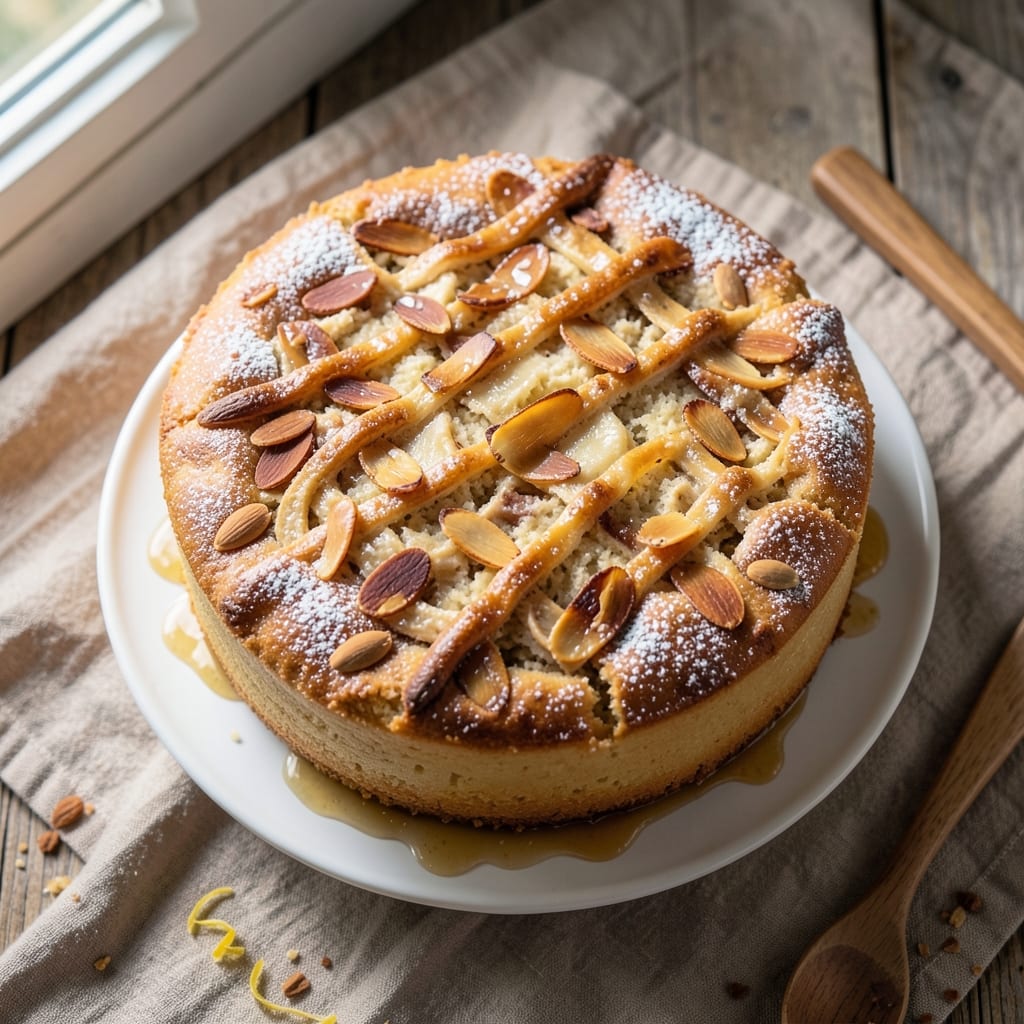
This almond breakfast cake recipe delivers nutty swirls and a lightly crisp top in under 45 minutes, perfect for weekend mornings when you crave something sweet without the heaviness of traditional desserts. The secret lies in finely ground almonds that add moisture while creating that signature marbled texture—no fancy equipment required, just a few simple ingredients and a standard oven. I developed this version after testing dozens of breakfast cakes, and it consistently delivers that ideal balance of tender crumb and crisp edges.
What sets this recipe apart is the almond flour base, which transforms into a delicate yet sturdy cake with just the right amount of tooth. The batter incorporates a swirl of almond paste that creates beautiful golden streaks throughout, while a sprinkle of almond slices on top adds both visual appeal and extra crunch. Unlike many breakfast cakes that turn dense or greasy, this version stays light and airy—thanks to a precise ratio of leavening agents and a touch of yogurt for tenderness.
The result is a cake that's perfect for breakfast or dessert, with a buttery aroma that fills your kitchen and a flavor profile that's rich yet not overpowering. Each slice offers layers of almond nuttiness balanced by subtle vanilla sweetness, making it equally satisfying with tea or coffee. The recipe includes optional garnishes like powdered sugar or fresh berries, but even plain, it's a showstopper that disappears quickly from the table.
For those who love variations, try adding a hint of lemon zest to brighten the flavor or fold in dark chocolate chips for a decadent twist. The recipe scales easily for gatherings, and leftovers keep well for 2-3 days—though I can't promise they'll last that long in your house. Let's get baking!
Ingredients for almond breakfast cake
Simple yet sophisticated ingredients for a breakfast cake that delivers nutty swirls and crisp edges.
| Ingredient | Amount | Notes |
|---|---|---|
| Almond Flour 🌰 | 2 cups | Finely ground, unsweetened |
| Almond Paste 🌰 | ½ cup | Smooth, not marzipan |
| Unsalted Butter 🧈 | ¾ cup | Cold, cubed for easier mixing |
| Granulated Sugar 🍚 | 1 cup | White or light brown |
| Large Eggs 🥚 | 2 whole | Room temperature |
| Plain Yogurt 🥛 | ½ cup | Full-fat for best texture |
| Vanilla Extract 🌿 | 1 tbsp | Pure, high-quality |
| Baking Powder 🧂 | 1 tsp | Aluminum-free preferred |
| Salt 🧂 | ½ tsp | Fine sea salt |
| Almond Slices 🌰 | ¼ cup | Thin, for topping |
| Powdered Sugar 🍚 | ¼ cup | Optional garnish |
| Lemon Zest 🍋 | 1 tsp | Optional brightener |
Almond flour is the star here—Bob's Red Mill or King Arthur brands are my go-to for consistent texture. The almond paste should be smooth, not grainy; Trader Joe's carries a great affordable option. For the almond slices, toast them lightly in the oven (350°F for 5 minutes) before sprinkling on top—they add that perfect crunch. If you're using pre-ground almond flour, sift it first to avoid lumps in your batter. The yogurt should be full-fat for that tender crumb, but Greek yogurt works too if that's what you have.
No almond flour? Substitute with 1.5 cups all-purpose flour plus 0.5 cup cornstarch—though the texture won't be identical. Short on almond paste? Mix 0.5 cup almond flour with 2 tbsp melted butter for a quick swap. The vanilla extract matters here—Nielsen-Massey or McCormick are reliable brands. For extra richness, fold in 0.25 cup melted white chocolate chips into the batter. And if you're feeling adventurous, swap half the almond flour for hazelnut flour for a deeper, nuttier flavor profile.
This cake keeps beautifully—3 days at room temperature wrapped in foil, or 5 days refrigerated. For longer storage, freeze slices individually in a sealed bag for up to 3 months. I like to reheat slices in the oven at 300°F for 5 minutes to restore that crisp top. The almond slices on top will soften after baking, so toast fresh ones if you're serving leftovers. If you make a double batch, these disappear fast—trust me on that—so plan accordingly.
Why You'll Love This Recipe
- No Mixer Needed: I swear by this recipe when I’m too tired to cream butter and sugar—just fold the almond flour and paste into melted butter until it’s crumbly, then mix in eggs. The texture comes together like magic, and the cake rises beautifully without a single whisk stroke.
- Rich Without Overpowering: That almond paste? It’s the star—sweet, nutty, and just thick enough to keep the cake moist without tasting like a dessert. The butter and sugar balance it perfectly, so it’s satisfying but not cloying, like a cross between a biscuit and a shortbread cookie.
- Weekend Brunch or Snack Attack: I’ve served this warm with a drizzle of honey for a lazy Saturday morning, and I’ve cut it into bars for my kids’ after-school snack stash. It’s fancy enough for guests but simple enough to eat straight from the pan—no judgment here.
- Leftovers That Last: The almond flour keeps this cake fresh for days without drying out, and it reheats in seconds. Honestly, I often make a double batch because it’s my go-to for quick breakfasts or when I need a no-fuss treat that won’t go stale. Budget-friendly too—just five ingredients, no specialty items.
Step-by-step instructions for almond breakfast cake
This cake comes together quickly with a few simple techniques for that perfect nutty swirl and golden top.
Prepare the Almond Swirl Dough
In a medium bowl, combine the 2 cups almond flour, 1 cup granulated sugar, 1 tsp baking powder, and 0.5 tsp salt. Mix these dry ingredients until evenly distributed—you'll see no more streaks of flour. This ensures consistent texture throughout the cake.
In a separate bowl, beat the 2 whole large eggs and 0.5 cup plain yogurt until smooth. Then add the 0.75 cup cold unsalted butter, 1 tbsp vanilla extract, and 1 tsp lemon zest. Whisk until the butter is fully incorporated and the mixture is creamy but not frothy. The cold butter creates flaky layers, while the yogurt keeps the texture tender.
Gradually add the dry ingredients to the wet mixture, folding just until combined. The dough will be thick and slightly crumbly. Divide it into two equal portions—one for the base and one for the swirl. This division makes creating the signature almond swirl effortless.
Create the Swirl and Bake the Cake
Preheat your oven to 350°F and grease a 9-inch round cake pan or line it with parchment paper. Press one portion of the dough evenly into the bottom of the pan, spreading it to the edges. This creates a solid foundation for the swirl.
Roll the remaining dough into a log about 3 inches wide and place it on top of the base layer. Gently press down to create a spiral effect, leaving the center slightly hollow. This technique ensures the almond flavor is distributed throughout every slice.
Bake for 25-30 minutes until the top is golden brown and a toothpick inserted in the center comes out clean. The cake should spring back slightly when pressed—this confirms it's fully baked. Rotate the pan halfway through for even browning.
Add Toppings and Finish
While the cake is still warm, sprinkle the 0.25 cup almond slices evenly over the top. Press them lightly into the surface so they adhere. The warmth of the cake will help them crisp slightly, adding texture to each bite.
Let the cake cool in the pan for 10 minutes, then transfer it to a wire rack. Once completely cooled, dust the top generously with 0.25 cup powdered sugar using a fine-mesh sieve. This step adds a delicate sweetness and enhances the visual appeal.
Slice into 8 equal servings and enjoy within 2 days for the best texture. Store in an airtight container at room temperature, or refrigerate for up to 5 days. The cake keeps well, making it perfect for quick breakfasts or grab-and-go snacks.
Pro Tips For Making Almond Breakfast Cake
- Cream Butter Slowly: I learned this the hard way—when you mix almond flour and butter, go slow at first. Dump in half the butter first and let it melt into the flour before adding more, or you’ll end up with a gritty, uneven batter that fights you every step of the way.
- Toast Almond Paste: Skip the raw almond paste if you want real depth—lightly toast it in a dry pan for 3-4 minutes until it smells nutty. It caramelizes just enough to give the cake a richer, less bitter flavor without burning.
- Don’t Overmix: This isn’t pancake batter. Once you fold in the eggs, stop after 10 strokes max—any more and the gluten in the almond flour wakes up, making the cake dense instead of tender. Gluten-free rules still apply.
- Room-Temp Eggs Matter: Cold eggs? They’ll sink like stones in your batter. Let them sit in warm water for 5 minutes first, or whip them briefly to incorporate air before adding. The cake rises better, and the texture stays light. Trust me, it’s worth the wait.
Pro cooking tips for great almond breakfast cake
Perfect Almond Swirl
The key to that stunning marbled effect lies in the 3-inch-wide log you roll with the second portion of dough. I like to use a plastic wrap-covered rolling pin to shape it—this prevents sticking and makes rolling easier. Place the log directly on top of the base layer, then gently press down with a damp paper towel to create the spiral without breaking the log. For extra drama, use a skewer to make a small hole in the center before baking—this lets steam escape and prevents a dome from forming. 🌰
Butter Temperature Matters
Your cold cubed butter should be just soft enough to press between your fingers, but not melted. If it's too warm, the cake will spread too much in the oven. I keep my butter in the freezer for 10 minutes before measuring to ensure perfect consistency. For even better texture, let the eggs and yogurt sit at room temperature for 15 minutes before mixing—they'll blend more smoothly. 🧈
Oven Prep for Even Baking
Place your 9-inch cake pan on the middle rack of your oven, not the top. The middle rack ensures even heat distribution, preventing the top from browning too quickly while the bottom stays pale. For extra insurance, I place a small baking sheet on the rack below—this catches any drips and reflects heat upward. Rotate the pan halfway through baking (after 15 minutes) for perfectly even golden browning. 🔥
Almond Slice Trick
Toast your almond slices for 3-4 minutes at 350°F before sprinkling them on top—they'll develop a beautiful golden color and crisp texture. Arrange them in a circular pattern on top of the warm cake, pressing lightly so they adhere. For a professional finish, use a small offset spatula to gently press them into the surface. This creates both visual appeal and that satisfying crunch with every bite. 🌟
Powdered Sugar Dust
Use a fine-mesh sieve to dust the powdered sugar over the cooled cake—this creates an even, cloud-like finish. Tap the sieve gently over the cake in a circular motion to distribute it evenly. For extra flair, sift through a paper doily placed on top of the sieve. This technique adds a delicate, restaurant-quality touch that makes your cake look (and taste) like it came from a patisserie. ✨
Make-Ahead Pro Tip
If you're prepping ahead, bake the cake 1 day in advance and store it in an airtight container at room temperature. Reheat slices individually in the oven at 300°F for 5 minutes to restore that crisp top. For serving, brush the warm slices with melted white chocolate or drizzle with orange zest syrup (simmer 2 tbsp orange juice with 1 tbsp sugar for 3 minutes) for a gourmet upgrade. 💫
Nutrition facts
Frequently asked questions
Can I make this almond breakfast cake gluten-free?
Yes! This recipe is naturally gluten-free since it uses almond flour instead of wheat flour. Just ensure your almond flour is certified gluten-free and check that your almond paste and yogurt also meet gluten-free standards. The texture remains light and tender, though slightly denser than traditional flour-based cakes.
How do I prevent the cake from cracking?
Cracking usually happens when the cake bakes too quickly. To avoid this, make sure your oven is fully preheated to 350°F and place the cake pan on the middle rack. Also, don't open the oven door during the first 20 minutes of baking. A light tap on the cake's surface should make it spring back slightly when done.
Can I substitute almond flour with regular flour?
You can, but the texture will differ significantly. Replace the 2 cups almond flour with 1.5 cups all-purpose flour plus 0.5 cup cornstarch to improve moisture retention. The cake will be lighter but less rich in almond flavor. For best results, add an extra 1 tbsp almond extract to compensate for the lost nutty taste.
Why does my cake taste bitter?
Bitterness often comes from overbaking or using too much almond flour. Bake until a toothpick comes out clean (25-30 minutes), and avoid overmixing the batter. If using store-bought almond flour, check for rancidity—store it in the freezer to preserve freshness. A pinch of salt in the batter balances flavors perfectly.
How can I make this cake dairy-free?
Replace the butter with 0.75 cup dairy-free margarine or coconut oil, and use a dairy-free yogurt like coconut or almond yogurt. The cake will still be moist, though the texture may be slightly denser. For extra richness, add 1 tbsp melted dairy-free chocolate chips to the batter.