
Desserts
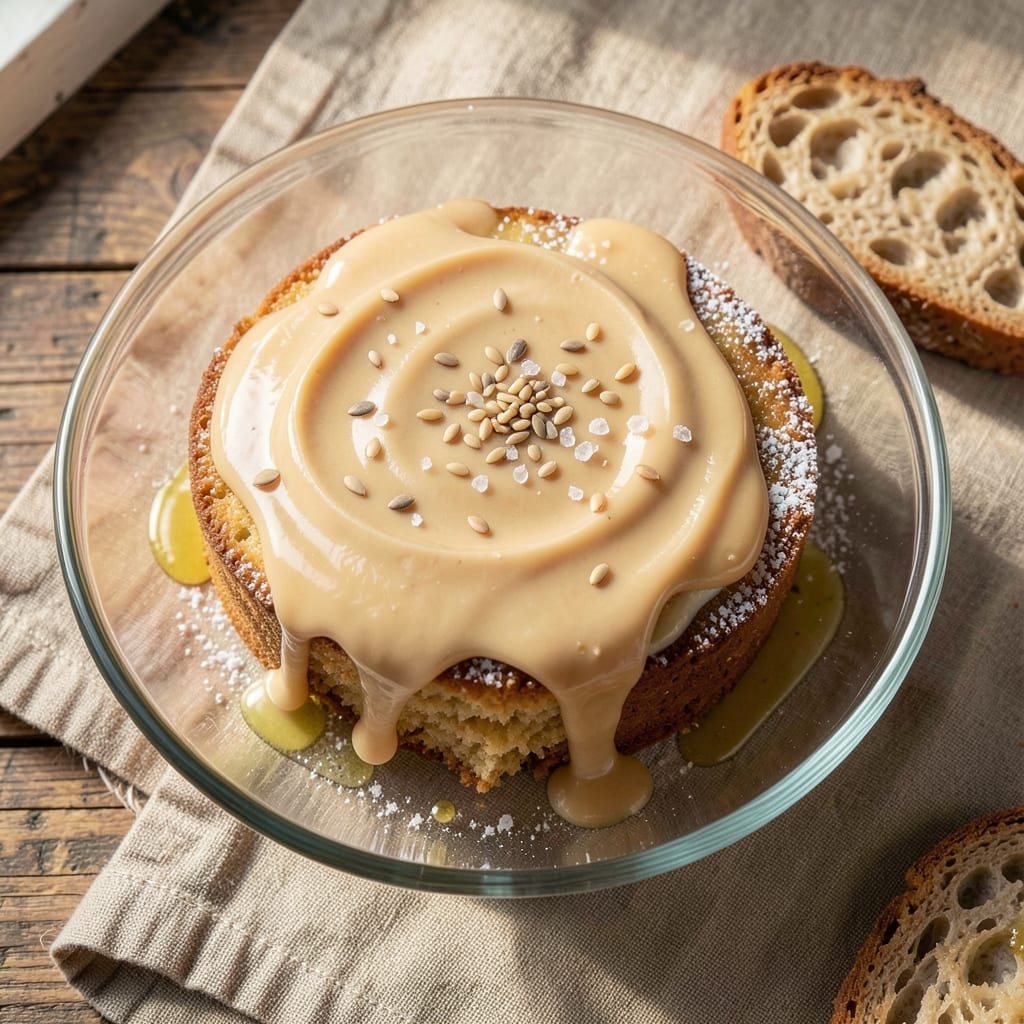
This almond cake glaze recipe transforms any cake into a showstopper with its mirror-gloss finish—achievable in just 10 minutes. The secret lies in the perfect balance of powdered sugar, butter, and almond extract, creating a smooth, fragrant coating that clings effortlessly to moist cake layers. I developed this recipe after struggling with glaze that either ran off the cake or left a dry, chalky residue—this version solves both problems.
The glaze's magic comes from its simple yet precise ingredients: powdered sugar for sweetness, butter for richness, and almond extract for that signature nutty aroma. A touch of milk or cream ensures a silky texture that won't crystallize, while a pinch of salt rounds out the flavors. The process is straightforward—whisk, spread, and let it set—but the results are undeniably professional.
What makes this glaze truly special is its foolproof application. Unlike thicker frostings, this liquid glaze soaks into the cake just enough to create adhesion without sogginess, while the high powdered sugar content dries to a shiny, glass-like finish. It’s perfect for layer cakes, sheet cakes, or even cupcakes, adding a touch of elegance without overwhelming the cake’s natural flavor.
Once applied, the glaze sets in minutes, leaving behind a smooth, reflective surface that’s both beautiful and delicious. Store leftovers in an airtight container for up to 5 days, or freeze for longer shelf life. Ready to elevate your desserts? Let’s make this glaze.
Ingredients for almond cake glaze
Seven ingredients combine to create a flawless mirror-gloss finish for any cake.
| Ingredient | Amount | Notes |
|---|---|---|
| Powdered Sugar 🍚 | 2 cups | Sifted for smooth texture |
| Unsalted Butter 🧈 | ½ cup | Softened to room temperature |
| Pure Almond Extract 🌰 | 1 tbsp | High-quality, pure almond |
| Heavy Cream 🥛 | 2 tbsp | Ensures silky consistency |
| Fine Sea Salt 🧂 | ¼ tsp | Kosher or Diamond Crystal |
| Vanilla Extract 🌸 | ½ tsp | Optional for depth of flavor |
| Lemon Juice 🍋 | 1 tsp | Freshly squeezed for brightness |
The powdered sugar is non-negotiable—sift it thoroughly to avoid graininess, which ruins that flawless sheen. Bob's Red Mill brand is my go-to for consistent sifting results, but any high-quality powdered sugar works. The butter must be softened to room temperature (65-68°F)—too cold and it won't emulsify properly, too warm and the glaze may separate. For the almond extract, Goya or McCormick brands provide that authentic nutty depth without artificial aftertastes. Store your extracts in a cool, dark place—light degrades their quality over time.
No heavy cream? Whole milk or half-and-half work in a pinch, though the texture will be slightly less velvety. Substituting vanilla extract? Almond extract alone works, but adding 0.25 tsp vanilla enhances complexity. For a tangier finish, orange zest (0.5 tsp) replaces lemon juice—just ensure it's finely grated to avoid texture issues. The salt is crucial: omit it and the sweetness becomes overwhelming. If you're allergic to dairy, coconut cream replaces heavy cream, though the consistency will be thicker.
This glaze sets in 5-10 minutes at room temperature, so work quickly once mixed. For longer shelf life, store in an airtight glass container in the fridge for up to 2 weeks—the butter solidifies but whips back to silky smoothness when warmed. To prevent crystallization, reheat gently in 10-second bursts in the microwave before use. For large batches, double the recipe—just ensure your mixing bowl is spotlessly clean and dry to avoid lumps.
Why You'll Love This Recipe
- Five-Ingredient Magic: This glaze is that recipe—just powdered sugar, butter, almond extract, cream, and a pinch of salt. Honestly, I’ve made it wrong twice (too much extract!), but even my mistakes tasted like a fancy bakery.
- Velvet Almond Hug: That first bite? Creamy, nutty, and just sweet enough—like biting into a cloud with a whisper of marzipan. The butter and cream make it rich, while the almond extract gives it depth without being overpowering.
- Party in a Jar: Slather it on cakes, drizzle over cookies, or toss it with fruit—it’s my go-to for birthdays, potlucks, or even a lazy Sunday brunch. Between us, I’ve used it to fix store-bought muffins in 10 minutes flat.
- No-Waste Brilliance: A little goes a long way, so you’ll have leftovers for days. Store it in the fridge, and it thickens perfectly—just add a splash of cream to reset it. Plus, the ingredients are cheap enough that I don’t blink when I double the batch.
Step-by-step instructions for almond cake glaze
This professional method delivers a flawless, mirror-like finish every time.
Whisk Butter and Cream Until Fully Emulsified
In a medium heatproof bowl, combine the 0.5 cup unsalted butter and 2 tablespoons heavy cream. Place the bowl over a saucepan of simmering water (double boiler method) and whisk constantly until the butter melts completely and the mixture reaches 120°F. You'll notice the texture becomes smooth and slightly thickened—this ensures a stable glaze base.
Remove the bowl from heat and let it cool slightly for 2-3 minutes until it reaches 100°F. This temperature control prevents the powdered sugar from clumping when added later. Use a kitchen thermometer for precision—overheating causes lumps that ruin the glaze's silky finish.
Incorporate Flavorings and Salt
Add the 1 tablespoon pure almond extract, 0.5 teaspoon vanilla extract, 0.25 teaspoon fine sea salt, and 1 teaspoon lemon juice to the warm butter-cream mixture. Whisk vigorously for 30 seconds until completely combined. The salt enhances all flavors while balancing sweetness, and the lemon juice adds subtle brightness that cuts through the richness.
Here's the thing—don't rush this step. The extracts need time to fully disperse into the fat base. You'll see tiny bubbles form as the mixture aerates slightly, which helps create that signature glossy sheen when applied to cake.
Gradually Sift in Powdered Sugar
With the mixture still warm, begin adding the 2 cups powdered sugar through a fine-mesh sieve, whisking continuously. Add about ½ cup at a time, allowing each addition to fully incorporate before adding more. This gradual approach prevents clumping and ensures a smooth, lump-free glaze.
After adding all the powdered sugar, whisk for an additional 1-2 minutes until the glaze reaches a thick but pourable consistency. It should coat the back of a spoon completely but still flow smoothly when drizzled. If it's too thick, add 1 teaspoon water at a time until it reaches the perfect drizzling consistency.
Strain for Perfect Clarity
Transfer the glaze through a fine-mesh sieve into a clean bowl or pitcher. This crucial step removes any microscopic lumps that could disrupt the mirror-like finish. Use a rubber spatula to press all the glaze through the sieve, ensuring no residue remains.
The strained glaze should be completely smooth with no visible particles. If you're working with a particularly humid kitchen, you might need to add an extra ½ teaspoon powdered sugar to prevent the glaze from becoming too runny as it cools. The final texture should be thick enough to cling to the cake but still flow gracefully when drizzled.
Apply Immediately to Warm Cake
For the best results, apply the glaze to a cake that's been baked and cooled for 10-15 minutes—warm enough to help the glaze set but cool enough to prevent melting. Use a fork to drizzle the glaze in an even zigzag pattern over the entire surface, allowing each line to merge slightly with the next.
Let the glaze set for 10 minutes at room temperature before slicing. The final result should be a flawless, glass-like finish that reflects light beautifully. If you notice any imperfections, simply reapply a thin layer of glaze to any bare spots before serving.
Pro Tips For Making Almond Cake Glaze
- Warm the cream first: Cold heavy cream makes the glaze grainy—trust me, I’ve seen it. Whisk it in a microwave-safe bowl for 15 seconds before mixing, or just let it sit in warm water for a minute. The butter and powdered sugar will thank you with a silky finish.
- Salt the butter: Unsalted butter needs a pinch of fine sea salt (about ¼ teaspoon per ½ cup) to balance the sweetness. Skip this, and the glaze will taste flat—like a dessert that forgot its backbone.
- Whisk, don’t fold: Use a hand mixer or whisk vigorously for 2–3 minutes until the glaze is thick and glossy. Folding it by hand introduces lumps, and no one wants a glaze that looks like it was made in a blender.
- Add almond extract last: Mixing it in early can make the glaze smell overwhelming before it even hits the cake. Stir in the pure almond extract just before drizzling—this keeps the aroma bright and intentional, not muddled.
Perfect pairings for almond cake glaze
Creamy Cheese Pairings
This almond glaze pairs beautifully with cream cheese-based fillings—think cream cheese frosting or ricotta mousse. The glaze's nutty depth complements the tangy richness of cream cheese, creating a perfect balance. I like to spread a thin layer of Philadelphia cream cheese mixed with 1 tbsp lemon juice between cake layers before applying the glaze. 🧀
Fruit Toppings
Fresh berries or citrus slices add a vibrant contrast to the glaze's glossy finish. Raspberries or blackberries work best—their natural juices won't dissolve the glaze. Arrange them decoratively after applying the glaze, or lightly brush with a simple syrup (equal parts sugar and water) to prevent drying. For a tropical twist, try mango slices or passion fruit pulp.
Coffee or Espresso Drizzle
For a sophisticated touch, drizzle espresso syrup or a light coffee glaze over the almond glaze. I recommend Monin espresso syrup—just warm 1 tbsp and drizzle in thin lines. The coffee enhances the almond flavor without overpowering it, creating a mocha-almond flavor profile that's irresistible. ☕
Chocolate Accents
Dark chocolate shavings or a thin chocolate ganache elevate the glaze's elegance. Melt 4 oz dark chocolate (70%) with 2 tbsp heavy cream and drizzle over the glaze in swirls. For a simpler option, use a microplane to shave 1 oz dark chocolate over the top. The contrast of chocolate and almond creates a luxurious finish.
Nutty Garnishes
Toasted slivered almonds or hazelnuts add texture and complement the almond extract. Lightly toast ¼ cup almonds in a dry pan for 2-3 minutes until golden, then sprinkle over the glaze. For extra flair, drizzle with caramel sauce before adding the nuts. This adds a delightful crunch that contrasts perfectly with the smooth glaze.
Herbal Infusions
Fresh herbs like mint leaves or basil add a refreshing twist. Gently press a few leaves onto the glaze's surface for a decorative touch. For a floral note, infuse the glaze with ½ tsp rose water (optional) while mixing. The herbs balance the sweetness and add an unexpected aromatic element. 🌿
Nutrition facts
Frequently asked questions
Can I make this almond glaze without butter?
Yes! For a dairy-free version, replace the 0.5 cup butter with 0.5 cup coconut oil (melted and cooled to 100°F) or 0.5 cup vegan margarine. The texture will be slightly less rich, but still silky when strained. For extra stability, add 1 extra tbsp powdered sugar to compensate for the lower fat content.
Why does my glaze look cloudy or grainy?
Cloudiness usually means the butter wasn't properly emulsified or the powdered sugar wasn't sifted. Always use a fine-mesh sieve for the sugar and whisk the butter-cream mixture until it reaches 120°F for smoothness. If lumps appear after adding sugar, strain the glaze immediately through a cheesecloth-lined sieve for crystal clarity.
How do I fix glaze that's too runny or too thick?
For runny glaze, whisk in 1 tbsp powdered sugar at a time until it reaches drizzling consistency. If it's too thick, add ½ tsp water or milk and whisk vigorously. The key is patience—let it sit for 5 minutes between adjustments to see how it thickens naturally. A spoon should hold a ribbon shape when lifted.
Can I use this glaze on non-cake desserts?
This glaze works beautifully on cookies, cupcakes, or even pound cake slices. For cookies, brush a thin layer over cooled treats for a delicate sheen. For cupcakes, pipe or drizzle the glaze over the top and let set for 10 minutes. The almond flavor pairs especially well with vanilla or citrus-based desserts.
Will this glaze set properly in humid weather?
Humidity can make the glaze set slower, but the solution is simple: chill the cake slightly before glazing (place in the fridge for 15 minutes) or add ½ tsp extra powdered sugar to thicken it. For extra insurance, store leftovers in an airtight container with a silica packet to absorb moisture. The glaze will still achieve that mirror finish—just give it 15 minutes to set.