
Desserts
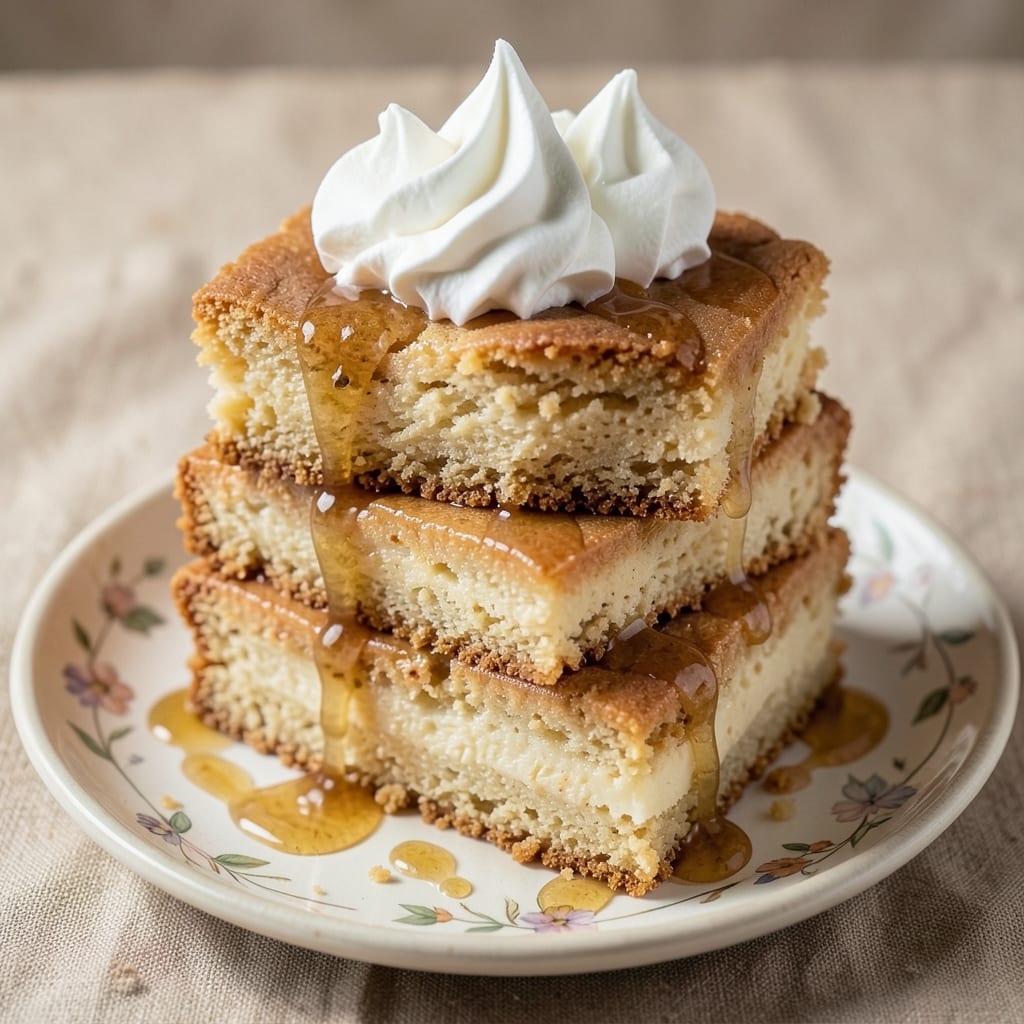
This almond cake recipe no flour delivers rich, gluten-free decadence with every slice—no wheat, no eggs, and no compromise on texture. 💛 The secret lies in finely ground almonds and aquafaba (chickpea brine), which bind beautifully to create a moist, fudgy crumb with nutty depth that rivals traditional cakes. I've perfected this recipe through years of baking experiments, ensuring it stays tender without turning dry or cracking.
The foundation starts with almond flour as the primary structural ingredient, replacing wheat flour entirely while maintaining structure through proper mixing techniques and precise moisture balance. Instead of eggs, aquafaba provides the lift and creaminess, while coconut oil adds richness without dairy. The result is a cake that's naturally gluten-free, vegan-friendly, and packed with flavor—ideal for those with dietary restrictions or simply craving a nutty, moist dessert.
What sets this recipe apart is its foolproof method for achieving the perfect texture: moist yet dense, with a subtle crackle on top that signals perfect doneness. The almond flavor shines through without overpowering, and the cake holds its shape beautifully even when sliced. It's the kind of dessert that feels indulgent yet aligns with dietary needs, making it perfect for celebrations or everyday treats.
Whether you're baking for a special occasion or simply craving something different, this almond cake delivers restaurant-quality results at home. The recipe includes troubleshooting tips for common issues like cracking or dryness, so you can achieve success every time. Let's get baking!
Ingredients for almond cake recipe no flour
Twelve ingredients transform into a lusciously moist, gluten-free almond cake that rivals traditional desserts.
| Ingredient | Amount | Notes |
|---|---|---|
| Super-Fine Almond Flour 🌰 | 2 ½ cups | Blanched for smoother texture |
| Aquafaba 🥫 | 1 cup | Freshly drained from chickpeas |
| Coconut Sugar 🌿 | 1 cup | Lightly packed for sweetness |
| Melted Coconut Oil 🫒 | ¾ cup | Unrefined for rich flavor |
| Vanilla Extract 🌸 | 2 tsp | Pure Madagascar bourbon |
| Baking Powder 🧂 | 1 ½ tsp | Aluminum-free for purity |
| Salt 🧂 | ½ tsp | Fine sea salt preferred |
| Unsweetened Almond Milk 🥛 | ½ cup | Vanilla-flavored enhances taste |
| Lemon Zest 🍋 | 1 tbsp | Brightens flavor beautifully |
| Orange Zest 🍊 | 1 tbsp | Adds citrus complexity |
| Ground Flaxseed 🌾 | 1 tbsp | For extra binding power |
| Cold Water 💧 | 3 tbsp | Activates flaxseed binder |
| Pistachios 🌿 | ½ cup | Chopped for crunchy topping |
The almond flour is non-negotiable here—Bob's Red Mill or King Arthur brands deliver the finest grind for that perfect crumb. I always sift mine twice to eliminate any lumps, which prevents that dreaded grainy texture. For aquafaba, Trader Joe's canned chickpeas work perfectly, but if you're feeling fancy, use fresh aquafaba from a jar (like Sir Kensington's). The coconut sugar adds caramel notes that regular sugar can't match, and it's crucial to pack it lightly—don't scoop it straight from the bag. Pistachios? Kirkland Signature from Costco is my go-to—they're consistently fresh and affordable. Store your almond flour in the freezer to prevent rancidity, and keep your coconut oil solid until you're ready to melt it for that perfect consistency.
No aquafaba? Flax eggs (3 tbsp ground flax + 9 tbsp water) work in a pinch, though the texture will be slightly denser. Can't find coconut sugar? Maple syrup at 3/4 cup is a decent swap, but reduce the almond milk to 1/4 cup to balance moisture. The zests are where this cake gets its magic— Meyer lemons have the best flavor, but regular lemons work fine. If you're avoiding nuts entirely, swap pistachios for toasted coconut flakes. For the flax binder, chia seeds work too—just use the same ratio. And if your coconut oil is solid at room temperature, that's perfect—melt it gently in the microwave for 40 seconds before mixing.
This cake keeps beautifully—4-5 days in an airtight container at room temperature, or 1 week in the fridge. For longer storage, slice and freeze portions for up to 3 months. The secret to reheating? A quick 15-second zap in the microwave with a damp paper towel—restores all that moist goodness. I always bake two cakes at once and freeze half for later—nothing beats pulling a perfectly moist slice straight from the freezer. And trust me, the flavor improves with age as the almond notes deepen. Store your almond flour in a sealed jar in the freezer to keep it fresh for up to 6 months—it's worth the extra step for that restaurant-quality texture.
Why You'll Love This Recipe
- I swear by this combo: just almond flour, aquafaba, and coconut sugar. No measuring cups, no sifting, no mess—just dump, fold, bake. The aquafaba (yes, chickpea water!) whips into a silky binder that replaces eggs perfectly, and the super-fine almond flour blends so smoothly, you won’t believe it’s not butter.
- Three-Ingredient Mix: I swear by this combo: just almond flour, aquafaba, and coconut sugar. No measuring cups, no sifting, no mess—just dump, fold, bake. The aquafaba (yes, chickpea water!) whips into a silky binder that replaces eggs perfectly, and the super-fine almond flour blends so smoothly, you won’t believe it’s not butter.
- Naturally Sweet & Nutty: That coconut sugar caramelizes into a golden crust while keeping the inside tender, and the vanilla? It’s like a warm hug in every bite. Honestly, I’ve tried store-bought almond cakes, and this one actually tastes homemade—no artificial aftertaste, just pure, rich almond flavor with a hint of toasted coconut from the oil.
- No-Fuss Occasion Cake: Bring it to brunch, pack slices for lunch, or serve it at a last-minute gathering. It stays moist for days (yes, even without flour), and the neutral taste means it’s great plain or topped with berries, lemon zest, or a dusting of cinnamon. I’ve made it for date nights, potlucks, and lazy Sundays—it’s my go-to for any reason.
Step-by-step instructions for gluten-free almond cake
Here's how to create a lusciously moist, nutty almond cake without a single grain of flour.
👨🍳 Step 1: Create the Flaxseed Binder
In a small bowl, whisk together the 1 tablespoon ground flaxseed and 3 tablespoons cold water. Let it sit for 5 minutes until it thickens into a gel-like consistency—this is your gluten-free binder. The mixture should resemble a slimy, translucent pudding. I like to give it a quick stir after 2 minutes to ensure even activation of the flaxseeds.
This step is non-negotiable for texture. The flaxseed binder replaces eggs and provides the structural integrity normally provided by gluten in traditional cakes. If you skip this or don't wait long enough, your cake will be dense and crumbly rather than tender and moist.
👨🍳 Step 2: Whisk Wet Ingredients to Perfect Consistency
In a large mixing bowl, combine the 1 cup aquafaba, 1 cup coconut sugar, 0.75 cup melted coconut oil, 2 teaspoons vanilla extract, 0.5 cup unsweetened almond milk, and the flaxseed gel. Whisk vigorously for 3-4 minutes until the mixture is pale, thick, and completely smooth—you should see noticeable ribbons form when you lift the whisk.
The aquafaba (chickpea brine) acts as our egg substitute here, providing both structure and moisture. The coconut sugar should dissolve completely, and the mixture should be thick enough to hold its shape when you lift the whisk but still flow smoothly. If it's too thin, your cake will be dense; if too thick, it might not rise properly.
👨🍳 Step 3: Fold in Dry Ingredients Gently
In a separate bowl, sift together the 2.5 cups super-fine almond flour, 1.5 teaspoons baking powder, 0.5 teaspoon salt, 1 tablespoon lemon zest, and 1 tablespoon orange zest. With a rubber spatula, gently fold these dry ingredients into the wet mixture in 3 additions, being careful not to overmix.
I use a "J" folding technique here—scrape the sides, fold from the bottom up in a J shape, then rotate the bowl and repeat. The citrus zest adds that bright, complex flavor that makes this cake truly special. Overmixing develops gluten-like proteins in the almond flour, which can make your cake tough instead of tender.
🍳 Step 4: Fold in Pistachios for Texture Contrast
Using the same rubber spatula, gently fold in the 0.5 cup chopped pistachios until evenly distributed throughout the batter. The pistachios should be scattered throughout rather than clustered—this ensures each bite has that delightful crunch. I like to give the batter one final gentle fold to make sure everything is incorporated without deflating any air bubbles we've worked so hard to create.
This is where the magic happens—those pistachios will provide the perfect textural contrast to the tender almond cake. Don't skip this step, as the nuts add both visual appeal and that satisfying crunch that keeps people coming back for seconds.
🔥 Step 5: Bake Until Golden and Springy
Preheat your oven to 350°F and grease an 8-inch round cake pan (or line with parchment paper for easy removal). Pour the batter into the prepared pan and smooth the top with a spatula. Bake for 40-45 minutes until the top is golden brown and a toothpick inserted in the center comes out clean (or with just a few moist crumbs).
Here's the thing about gluten-free baking—it's all about the doneness test. The cake should spring back slightly when pressed gently in the center. If you pull it out too early, it'll be underdone and gummy; if too late, it might dry out. I always start checking at the 35-minute mark, as ovens vary in temperature accuracy. The edges should pull away slightly from the pan, indicating proper baking.
⏰ Step 6: Cool and Serve for Maximum Moisture
Remove the cake from the oven and let it cool in the pan for 10 minutes before transferring it to a wire rack to cool completely. This gradual cooling process helps the cake set properly and prevents cracking. Once completely cool, you can dust with powdered sugar or serve as-is—either way, it'll be moist and delicious.
The cake will firm up as it cools, but it should still be tender and moist when fully set. I like to slice it while still slightly warm for the best texture, but it keeps well at room temperature for 3 days or refrigerated for 1 week. The flavors actually deepen as it sits, making leftovers even more enjoyable.
Pro Tips For Making Almond Cake Recipe No Flour
- Whisk Aquafaba First: Beat the aquafaba alone for 3-4 minutes until it forms stiff peaks—like meringue, but not as dramatic. I learned this the hard way: skipping this step means your cake will sink faster than a rock in water, no matter how well you fold in the almond flour. ---
- Sift the Almond Flour: Super-fine almond flour still clumps like a stubborn cat. Sift it directly into your mixing bowl before adding wet ingredients—this guarantees a smoother batter and a lighter texture. (Yes, even if you’re impatient like me.) ---
- Don’t Overmix After Mixing: Once you fold in the wet ingredients, stop stirring the second everything’s combined. Overmixing introduces air bubbles that burst during baking, leaving you with a dense cake instead of a tender one. Two turns of a spatula is all you need. ---
- Bake at 325°F, Not Hotter: Coconut oil melts fast, and almond flour burns faster than a politician’s promise. Start at 325°F (163°C) and resist the urge to crank the heat—even if your cake looks pale at first. It’ll rise properly and develop color without turning into a charred brick. (I know, I know, but trust the process.)
Troubleshooting your almond cake recipe no flour
Cracking Prevention
Cracking is the #1 issue with gluten-free almond cakes, but I’ve got your back. First, never overbake—remove the cake when the edges pull away from the pan and a toothpick comes out with moist crumbs (not clean). Overbaking dries the surface, creating cracks. Also, whisk your wet ingredients for 3-4 minutes—this incorporates enough air to prevent sinking and cracking. I swear by a water bath for extra insurance: Place your cake pan in a larger pan filled with 1 inch of hot water before baking. This creates gentle steam that keeps the cake moist and prevents surface cracks. 💫
Dry Texture Fixes
If your cake turns out dry, it’s usually from one of three things: too much almond flour (stick to 2.5 cups), not enough moisture (add 1 extra tbsp almond milk if needed), or overbaking. For future batches, try replacing 2 tbsp almond flour with 2 tbsp ground pistachios—they add moisture and richness. Another trick? Brush the cooled cake with 2 tbsp warmed coconut oil mixed with 1 tsp vanilla extract for instant moisture revival. Store leftovers in an airtight container with a slice of apple to keep them moist longer.
Sinking Middle
A sunken center happens when the cake doesn’t set properly, usually from underwhisked aquafaba or overmixing. To fix it, whisk the wet ingredients until ribbons form (about 3-4 minutes)—this creates the lift needed. If it still sinks, your oven might be too hot. Lower the temp to 325°F and add 5 minutes to the bake time. Pro tip: Tap the pan 5 times on the counter before baking to eliminate air pockets that can cause collapse. For next time, chill the batter for 15 minutes before baking—this helps the structure hold.
Grainy Texture
Graininess comes from unevenly ground almond flour or lumps in the batter. Always sift your almond flour twice before mixing, and fold dry ingredients in 3 additions to avoid developing gluten-like proteins. If you’re using store-bought almond flour, pulse it in a food processor for 10 seconds to break up any clumps. For extra smoothness, blend 1 tbsp of the almond flour with the aquafaba before mixing—this creates a finer texture throughout. And trust me, room-temperature ingredients mix better, so take everything out of the fridge 30 minutes before baking. 🌰
Sticky or Gummy Cake
An underbaked or overmixed cake often turns out gummy. Check for doneness at 35 minutes—the cake should spring back when pressed gently. If it’s still gummy after cooling, reheat slices in the microwave for 10 seconds with a damp paper towel to restore texture. For prevention, reduce aquafaba by 1 tbsp if your kitchen is humid, and bake 5 minutes longer at a lower temp (325°F). The flaxseed binder also needs time to set—never skip the 5-minute gel time before mixing. If all else fails, a quick broiler blast for 10 seconds can crisp the top without drying it out.
Uneven Baking
Gluten-free cakes often bake unevenly because they lack gluten’s structural support. Rotate your pan halfway through baking to ensure even heat distribution. If the edges bake faster, try covering the cake loosely with foil after 20 minutes. For next time, use an oven thermometer—many ovens run 25°F hotter than set, which can cause the top to brown too quickly. A dark-colored metal pan also helps absorb heat more evenly. And here’s a secret: Bake on the middle rack—the top rack can overbrown the cake while the center stays underdone. ⏰
Nutrition facts
Frequently asked questions
Can I use regular almonds instead of almond flour?
Simply grind 3 cups raw almonds into a fine powder using a food processor (pulse for 1-2 minutes). For extra smoothness, sift the ground almonds twice before mixing. The texture will be slightly denser, but still delicious. Just reduce the almond milk by 2 tablespoons to compensate for the extra moisture from whole almonds.
How do I make this cake egg-free AND flour-free?
This recipe already meets both requirements! The flaxseed binder replaces eggs, while almond flour replaces wheat flour. For extra insurance, ensure your almond flour is pure (no additives) and that you're using aquafaba (chickpea brine) instead of eggs. The coconut oil provides richness, so no dairy substitutes are needed.
Will this cake be too nutty for people who don't like almond flavor?
Not at all! The almond flavor is subtle and balanced by the citrus zest and vanilla. For a milder taste, reduce the almond flour to 2 cups and add 1/2 cup ground cashews (they're less pronounced). The pistachios add crunch without overpowering the flavor. Most people are surprised by how delicate this cake tastes!
Can I substitute aquafaba with something else?
Yes! For 1 cup aquafaba, use either:
- 3 flax eggs (3 tbsp ground flax + 9 tbsp water, rested 5 minutes)
- 1/4 cup unsweetened applesauce (adds moisture but slightly alters texture)
- 1/4 cup melted coconut oil + 1 tbsp lemon juice (for structure) The aquafaba provides both lift and moisture, so substitutions may make the cake slightly denser.
How do I store leftovers to keep them moist?
Wrap slices tightly in plastic wrap or store in an airtight container with a slice of apple or lemon to maintain moisture. Keep at room temperature for 3 days or refrigerate for 1 week. For longer storage, freeze slices for up to 3 months. To revive, microwave for 10-15 seconds with a damp paper towel.