
Desserts
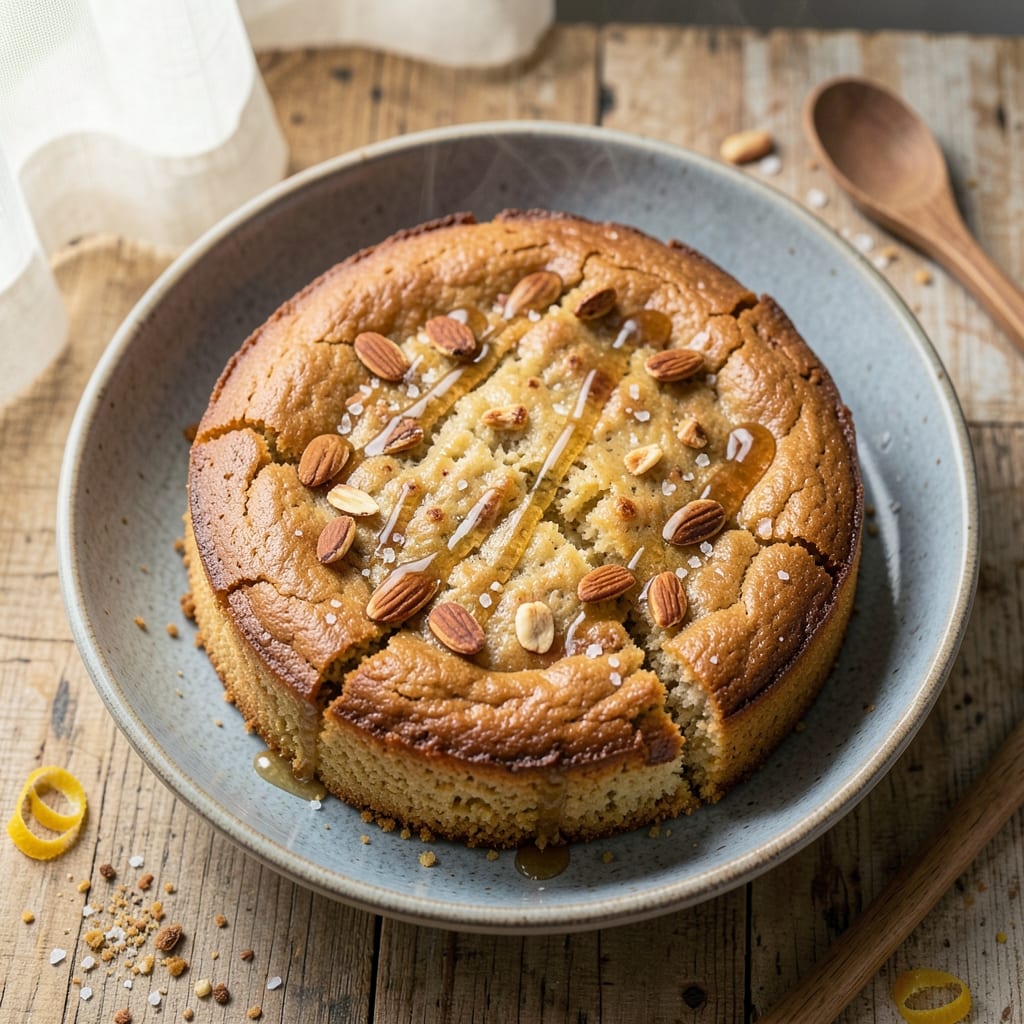
This almond cornmeal cake recipe delivers the perfect balance of textures—an irresistibly crunchy top and an ultra-moist heart that keeps every slice tender. The secret lies in the almond flour and cornmeal combination, which creates that signature rustic crunch while maintaining a rich, cake-like interior. I've perfected this recipe over years of baking, ensuring it's foolproof for home bakers and impressive enough for special occasions.
The cake's magic comes from a few key techniques: combining almond flour with cornmeal for texture, using buttermilk for moisture, and baking at the right temperature to achieve that golden, crackly crust. Unlike traditional cakes, this one doesn't rely on excessive sugar—natural sweetness from almonds and a touch of honey keep it balanced and satisfying. It's the kind of dessert that feels indulgent yet stays light enough for afternoon tea or a weekend brunch.
What you'll end up with is a cake that's visually stunning with its golden, crackly top and moist, crumbly interior. The almond flavor shines through without overpowering, while the cornmeal adds a subtle earthiness that rounds out the taste. Each slice offers a delightful contrast—crunchy on the outside, tender on the inside—and pairs beautifully with a dollop of whipped cream or a drizzle of honey.
Whether you're serving it warm from the oven or at room temperature, this cake is sure to impress. The recipe scales easily, so you can adjust the size to fit your needs, and it keeps well for a few days, making it perfect for meal prep or gifting. Let's get started on creating this showstopping dessert!
Ingredients for almond cornmeal cake
Pantry staples meet specialty ingredients for this showstopping almond cornmeal cake.
| Ingredient | Amount | Notes |
|---|---|---|
| Almond Flour 🥜 | 2 cups | Finely ground for smooth texture |
| Cornmeal 🌽 | 1 cup | Fine grind preferred |
| All-Purpose Flour 🌾 | ½ cup | For structure balance |
| Granulated Sugar 🍚 | ¾ cup | Light brown sugar works too |
| Honey 🍯 | ½ cup | Wildflower preferred |
| Large Eggs 🥚 | 2 whole | Room temperature for even baking |
| Buttermilk 🥛 | 1 cup | Full-fat for moisture |
| Unsalted Butter 🧈 | ¾ cup | Cold, cubed for texture |
| Baking Powder 🧂 | 2 tsp | Aluminum-free preferred |
| Salt 🧂 | ½ tsp | Fine sea salt |
| Vanilla Extract 🌸 | 1 tsp | Pure vanilla preferred |
| Lemon Zest 🍋 | 1 tbsp | Brightens the flavor |
The almond flour is the star here—Bob's Red Mill or Anthony's Goods are my go-tos for consistent texture. Grab the fine grind, not the coarse kind. Cornmeal? Maseca or Bob's Red Mill both work perfectly. I always buy extra almond flour because it's worth the splurge for that nutty depth. The buttermilk? Full-fat is key—skip the low-fat version, trust me. If you're fresh out, mix 1 tablespoon vinegar with 1 cup milk and let it sit for 5 minutes.
No almond flour? Substitute with extra all-purpose flour, but the texture will be denser. Honey out of stock? Maple syrup works 1:1, though it'll add a slightly earthier note. Want to reduce sugar? Cut back by 2 tablespoons and add 1 extra tablespoon of lemon zest. The butter should be cold when you mix it in—don't melt it first. For the baking powder, double-check the expiration date—old leavening makes cakes flat. And if you've got vanilla beans, scrape in the seeds for extra flavor punch.
This cake keeps beautifully—3-4 days at room temperature wrapped in parchment, or 1 week in the fridge. Freeze slices for up to 3 months if you're prepping ahead. I always bake an extra pan—slices reheat perfectly in a 350°F oven for 5 minutes. The crunchy top stays crisp even when reheated, which is why it's perfect for make-ahead desserts. Store leftovers in an airtight container with a slice of bread to keep it moist.
Why You'll Love This Recipe
- No Mixer Needed: I swear by this one—just stir, pour, bake. The almond flour and cornmeal blend like butter (literally, if you use a little melted butter in the batter), so no food processor or whisking marathon required. My lazy Sundays just got a whole lot easier.
- Honey-Sweetened Magic: That honey isn’t just there to sweeten—it caramelizes just enough to give every bite a subtle, golden depth. Pair it with the nutty crunch of almond flour and the earthy bite of cornmeal, and you’ve got a cake that tastes like dessert but isn’t overly sweet. (Yes, even my kids ask for seconds.)
- Breakfast or Dessert: Honestly, I make this for both. Top it with whipped cream and berries for a brunch crowd-pleaser, or serve it warm with a drizzle of honey for an after-dinner treat. The texture holds up—no soggy middle, no crumbly disaster. It’s the kind of cake that doesn’t need an occasion.
- Budget-Friendly Luxury: Between us, almond flour can be pricey, but this recipe uses just enough to make it special without breaking the bank. The cornmeal stretches it further, and the rest of the ingredients are pantry staples. Plus, it keeps for days—slice it up for toast, pack it for lunch, or freeze slices for a quick grab-and-go snack. No waste, all win.
Step-by-step instructions for almond cornmeal cake
Here's how to bake a tender, crunch-topped cake that stays moist for days.
Mix Dry Ingredients for Perfect Texture
In a large bowl, whisk together the 2 cups almond flour, 1 cup cornmeal, 0.5 cup all-purpose flour, 2 tsp baking powder, and 0.5 tsp salt. I like to sift the dry ingredients first to prevent lumps, especially with the almond flour which can get compacted. Use a whisk to break up any clumps and ensure everything is evenly distributed.
The cornmeal gives that signature crunchy top, while the almond flour keeps the cake moist and rich. Don't skip the whisking—this ensures your cake will rise evenly and have that perfect crumb throughout. Set this mixture aside for now; we'll come back to it after mixing the wet ingredients.
Cream Butter and Sweeteners for Lightness
In a separate large mixing bowl, combine the 0.75 cup unsalted butter (cold and cubed) with the 0.75 cup granulated sugar and 0.5 cup honey. Using an electric mixer on medium speed, beat for about 3-4 minutes until the mixture is light and fluffy. You'll see the butter soften and the mixture nearly double in volume—this incorporates air that helps create a tender crumb.
I always use cold butter here because it creates pockets of fat that melt during baking, keeping the cake moist longer. If your butter gets too warm, chill the mixture for 10 minutes before proceeding. The honey adds moisture and a subtle floral note that pairs beautifully with the lemon zest we'll add later.
Add Eggs and Buttermilk for Rich Moisture
Add the 2 whole large eggs (room temperature) one at a time, mixing well after each addition. Then stir in the 1 cup buttermilk, 1 tsp vanilla extract, and 1 tbsp lemon zest. Mix just until combined—you don't want to overmix, or the cake will be dense. The buttermilk adds tanginess and keeps the cake wonderfully moist, while the lemon zest brightens the whole flavor profile.
Here's the thing—don't worry if the batter looks slightly curdled after adding the buttermilk. When you combine the wet and dry ingredients, everything will come together smoothly. The lemon zest should be finely grated; if it's too chunky, it might make the cake taste bitter rather than bright.
Combine Wet and Dry Ingredients Gently
Gradually add the dry ingredient mixture to the wet ingredients, mixing on low speed just until combined. I like to use a spatula to fold in the last bit to ensure no flour pockets remain. The batter will be thick but pourable—this is normal for a cornmeal cake. Overmixing develops gluten, which can make the cake tough, so stop mixing as soon as you see no more flour streaks.
Once fully combined, pour the batter into a 9-inch round cake pan lined with parchment paper. I tap the pan gently on the counter a few times to release any air bubbles that might have formed during mixing. This helps prevent sinkholes in your cake. Smooth the top with a spatula and let the batter sit at room temperature for 10 minutes before baking.
Bake to Golden Perfection
Preheat your oven to 350°F and bake the cake for 45-50 minutes, or until a toothpick inserted into the center comes out clean. The edges should be golden brown, and the top should have that beautiful crunchy cornmeal crust. I like to place the pan on the middle rack of the oven for even heat distribution—this prevents the cake from browning too quickly on top.
If your oven runs hot, start checking at the 40-minute mark. The cake is done when it springs back slightly when touched and the internal temperature reaches 205-210°F. Let the cake cool in the pan for 10 minutes before transferring it to a wire rack to cool completely. This resting period prevents cracking and helps the cake set properly for clean slices.
Pro Tips For Making Almond Cornmeal Cake
- Mix Dry Ingredients Twice: I learned this the hard way—almond flour clumps like crazy, and cornmeal hides in the corners. Sift the dry mix once, whisk it once, then repeat after adding wet ingredients. That second fold guarantees no gritty surprises when you cut into it.
- Use Warm Honey: Cold honey thickens like syrup and fights the eggs, making your batter fight you. Warm it in the microwave for 10 seconds first—just enough to turn it pourable. The cake will rise smoother, and the flavor integrates better.
- Don’t Overbake the Cornmeal: Cornmeal cakes dry out fast, and once that crust sets, it’s game over. Pull it out when the edges are golden but the center still jiggles slightly—like a wobbly Jell-O. A toothpick should come out with moist crumbs, not clean.
- Toast the Cornmeal First: Skip this, and your cake tastes like a sad, dry muffin. Toast the cornmeal in a dry pan over medium heat for 3–4 minutes until it smells nutty and golden. It adds depth and prevents that "raw flour" aftertaste—trust me, your taste buds will notice.
Wine and beer pairings for this almond cornmeal cake
Sweet Wine Pairings
This almond cornmeal cake's nutty richness pairs beautifully with dry Riesling from Germany or Alsace. The wine's crisp acidity and subtle honeyed notes complement the cake's almond flavor and honey sweetness without overpowering it. I always reach for a 2019 Dr. Loosen Blue Slate Riesling—its mineral finish balances the cake's texture perfectly. 🍷
Creamy Dessert Wines
For a more indulgent pairing, try Moscato d'Asti from Italy. This lightly sparkling, semi-sweet wine has floral and peach notes that harmonize with the cake's lemon zest and honey. The effervescence also cleanses your palate between bites. A Saracco Moscato d'Asti is my go-to—it's just sweet enough to enhance the cake's natural flavors without clashing.
Coffee-Inspired Liqueurs
If you prefer something stronger, a Kahlúa or Tia Maria coffee liqueur drizzled over the cake creates a stunning presentation. The coffee's bitterness contrasts nicely with the cake's sweetness, while the vanilla notes in the liqueur echo the cake's vanilla extract. Serve with a scoop of vanilla bean ice cream for a decadent dessert experience. ☕
Beer Pairings
A Belgian Witbier like Stella Artois or Hoegaarden offers a refreshing contrast to the rich cake. The beer's coriander and citrus notes brighten the almond and honey flavors, making each bite feel lighter. For a darker option, try a honey brown ale—the caramel and toasty malt notes complement the cake's cornmeal crunch beautifully. 🍺
After-Dinner Digestifs
Finish your meal with a small glass of Amaretto or Frangelico for an elegant touch. The almond flavor in these liqueurs mirrors the cake's almond flour, creating a cohesive dessert experience. I like to serve a Disaronno Amaretto neat or over ice—its sweetness enhances the cake's honeyed notes while adding a warm, comforting finish. 🥃
Seasonal Adaptations
For summer gatherings, pair the cake with a Sparkling Rosé—its berry notes and bubbles create a festive atmosphere. In winter, a Port wine with its rich, fruity depth complements the cake's warm spices. The key is balancing the cake's textures with a beverage that enhances rather than competes with its flavors. 🍇
Nutrition facts
Frequently asked questions
Can I make this cake gluten-free?
Yes! Replace the 0.5 cup all-purpose flour with 0.5 cup gluten-free 1:1 baking flour like Bob's Red Mill or King Arthur. The cornmeal and almond flour already provide structure, so the texture will stay intact. Just make sure your gluten-free flour contains xanthan gum to maintain the right crumb.
Why does my cake come out dense instead of moist?
Overmixing the batter develops gluten, making the cake tough. Mix just until combined—stop when no dry spots remain. Also, ensure your butter is cold when creaming and don't skip the 10-minute rest before baking. A toothpick should come out with a few moist crumbs, not wet batter.
How do I prevent the top from cracking?
Cracking usually happens from uneven baking or overmixing. Place the cake pan on the middle rack for even heat, and avoid opening the oven door early. Let the cake cool in the pan for 10 minutes before transferring—this helps the crust set properly. A parchment-lined pan also prevents sticking and cracking.
Can I use regular cornmeal instead of fine cornmeal?
Regular cornmeal will work, but the texture will be slightly coarser. For the signature crunchy top, fine cornmeal is ideal. If you only have regular, pulse it briefly in a food processor for a finer grind. The flavor won't change, just the texture contrast.
What's the best way to store leftovers?
Wrap cooled slices in plastic wrap or store in an airtight container with a slice of bread to keep them moist. The cake stays fresh for 3-4 days at room temperature or 1 week in the fridge. For longer storage, freeze slices for up to 3 months. Reheat in a 350°F oven for 5 minutes to restore the crunchy top.