
Desserts
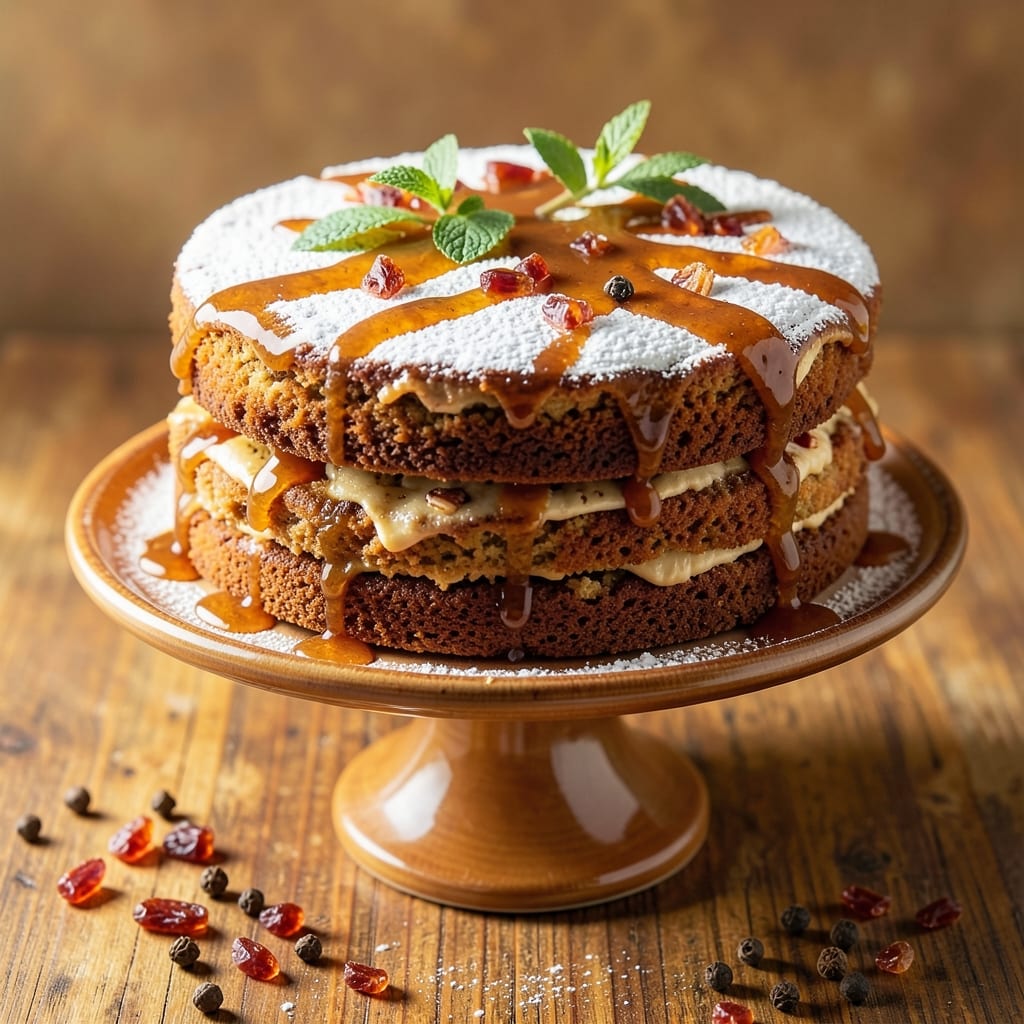
This almond flour gingerbread cake delivers all the cozy spice of classic gingerbread with the moist, nutty richness of almond flour—perfect for gluten-free bakers who crave that familiar holiday warmth. The secret lies in blending warm spices with a tender crumb that stays moist for days, thanks to the natural oils in almond flour. I developed this recipe after years of perfecting gluten-free holiday desserts that actually taste indulgent, not like they're missing something.
The cake's deeply aromatic profile comes from a balanced blend of cinnamon, ginger, and cloves, while the almond flour adds a subtle nuttiness that complements the molasses sweetness. Unlike traditional gingerbread, this version stays tender rather than dry, thanks to a simple technique of whipping egg whites separately for structure without heaviness. The result? A cake that's rich, fragrant, and satisfying—ideal for holiday gatherings or a special dessert any time of year.
What sets this apart is how effortlessly it delivers restaurant-quality texture at home. The almond flour creates a naturally cake-like crumb that holds up to slicing, while the spices infuse every bite with that familiar gingerbread magic. Whether you're adapting for dietary needs or simply love the flavor, this recipe proves gluten-free desserts can be just as impressive as their traditional counterparts.
For extra indulgence, top with cream cheese frosting or a dusting of powdered sugar—though many prefer it as-is, with just a sprinkle of cinnamon. The cake keeps well at room temperature for up to 3 days or can be frozen for longer storage. Here's how to make it perfectly every time.
Ingredients for almond flour gingerbread cake
Rich almond flour meets classic gingerbread spices for a moist, gluten-free cake that delivers holiday warmth.
| Ingredient | Amount | Notes |
|---|---|---|
| Almond Flour 🌰 | 2 ½ cups | Finely ground, unsweetened preferred |
| Granulated Sugar 🍚 | 1 ½ cups | Organic preferred for rich flavor |
| Light Brown Sugar 🍚 | ½ cup | Packed, for moisture retention |
| Large Eggs 🥚 | 4 whole | Room temperature for even baking |
| Unsalted Butter 🧈 | 1 cup | Cold, cubed for proper creaming |
| Molasses 🍯 | ½ cup | Unsulphured for authentic flavor |
| Ground Cinnamon 🌿 | 2 tbsp | Freshly ground for maximum aroma |
| Ground Ginger 🌶️ | 1 tbsp | Freshly grated preferred |
| Ground Cloves 🌿 | ½ tsp | Freshly ground for potent flavor |
| Baking Soda 🧪 | 1 tsp | Pure, aluminum-free preferred |
| Salt 🧂 | ½ tsp | Fine sea salt for balanced flavor |
| Vanilla Extract 🌸 | 1 tbsp | Pure Madagascar bourbon preferred |
| Whole Milk 🥛 | ½ cup | Room temperature for proper hydration |
The almond flour is the foundation here—Bob's Red Mill or Anthony's Goods brands deliver the finest grind for optimal texture. Freshly ground almond flour makes all the difference, so avoid pre-ground blends that can become rancid. For the spices, McCormick's Gourmet Collection or Penzeys Spices ensure vibrant, potent flavors. The molasses should be deep and rich; Goya unsulphured molasses is a reliable choice. Keep your butter cold when creaming to maintain proper structure in this tender crumb.
No almond flour? Substitute with a 1:1 blend of oat flour and tapioca starch, though texture may vary slightly. Running short on molasses? Maple syrup at half the amount works in a pinch, though it lacks that signature depth. Fresh ginger is ideal for the spice blend, but ground ginger works at double the amount. For the vanilla, imitation extracts will fall flat—splurge on the real thing. The baking soda should be fresh; if it's over a year old, replace with 1 tsp baking powder for leavening power.
Store the cake at room temperature in an airtight container for up to 3 days, though it's best enjoyed within 48 hours for peak moisture. For longer storage, wrap tightly in plastic and freeze for up to 3 months. Thaw at room temperature before serving. The cake reheats beautifully—wrap a slice in foil and warm in a 200°F oven for 10 minutes to restore its tender crumb. Portion into individual servings before freezing for easy thawing.
Why You'll Love This Recipe
- No Mixer Needed: This cake comes together with just a whisk and your hands—no stand mixer, no food processor, just a bowl and a little elbow grease. The almond flour blends effortlessly with the sugars and butter, and the eggs bind it all without fuss.
- Warm Spice Magic: That molasses-kissed brown sugar and ginger combo? It’s like a hug in cake form. The butter keeps it rich but not heavy, while the almond flour adds a subtle nuttiness that balances the sweetness perfectly.
- Leftovers That Last: Slice it fresh or store it wrapped—this cake stays moist for days. Honestly, I’ve had it for breakfast, dessert, or even a quick snack, and it never gets old. The almond flour keeps it from drying out like traditional gingerbread.
- Budget-Friendly Luxury: Almond flour might sound fancy, but it stretches further than regular flour, and the butter and eggs make it feel indulgent without breaking the bank. Plus, you can halve the recipe if you’re cooking for one—no waste, all flavor.
Step-by-step instructions for almond flour gingerbread cake
Master this technique and you'll achieve a perfectly moist, nutty cake with authentic gingerbread spice depth.
Cream Butter and Sugars for Maximum Moisture
In a stand mixer fitted with the paddle attachment, beat the 1 cup unsalted butter (cold, cubed) with the 1.5 cups granulated sugar and 0.5 cup light brown sugar on medium speed for 4-5 minutes. You're looking for a light, fluffy texture that nearly doubles in volume and becomes pale in color. This thorough creaming incorporates air, which creates that signature tender crumb in almond flour cakes.
The reason we use cold butter is to prevent the almond flour from absorbing too much fat prematurely. Watch for the mixture to become smooth and slightly thickened—this ensures proper structure when we add the eggs. If your mixer struggles, switch to low speed temporarily to prevent butter from splattering.
Incorporate Wet Ingredients with Precision
Add the 4 whole large eggs one at a time, mixing on low speed for 30 seconds after each addition until fully incorporated. Then add the 0.5 cup molasses, 1 tbsp vanilla extract, and 0.5 cup whole milk, mixing on low speed for another 30 seconds until smooth. The molasses will darken the mixture significantly—this is normal and essential for authentic gingerbread flavor.
Here's the thing—molasses contains acids that can react with baking soda. We want to distribute it evenly now so the leavening works properly throughout the batter. The mixture should be thick but pourable. If it looks too stiff, add 1 tablespoon milk at a time until it reaches a smooth, spreadable consistency.
Combine Dry Ingredients for Even Distribution
In a separate bowl, whisk together the 2.5 cups almond flour, 2 tbsp ground cinnamon, 1 tbsp ground ginger, 0.5 tsp ground cloves, 1 tsp baking soda, and 0.5 tsp salt. Sift the mixture through a fine-mesh sieve directly into the wet ingredients. This prevents lumps and ensures even distribution of spices throughout the batter.
With the mixer on low speed, gradually add the dry ingredients to the wet, mixing just until combined—about 30-45 seconds. You should still see some flour streaks, which indicates proper mixing without overdevelopment. Overmixing with almond flour can create a dense cake. The batter will be thick and may resemble cookie dough in texture.
Bake at Precise Temperature for Perfect Texture
Preheat your oven to 350°F and grease two 8-inch round cake pans or one 9x13-inch baking pan with butter or baking spray. Divide the batter evenly between the prepared pans. Tap the pans gently on the counter to remove any air bubbles and ensure even baking.
Bake for 30-35 minutes until a toothpick inserted in the center comes out clean with just a few moist crumbs clinging to it. The edges should be golden brown while the top remains slightly domed. I've found that almond flour cakes benefit from this slightly underbaked center—they'll continue setting as they cool, preventing dryness.
Cool and Serve for Optimal Moisture
Remove the cake from the oven and let it cool in the pans for 10 minutes. Then transfer to a wire rack to cool completely. This gradual cooling prevents cracking and allows the moisture to distribute evenly throughout the cake. The cake should be slightly warm to the touch when you serve it—this enhances the spice flavors and maintains that perfect moist texture.
For best results, serve within 24 hours of baking. The cake keeps well at room temperature covered with plastic wrap, but the texture becomes slightly drier after 48 hours. Slice with a sharp serrated knife for clean cuts that reveal the tender crumb. The aroma of warm gingerbread will fill your kitchen—this is your reward for precise technique.
Pro Tips For Making Almond Flour Gingerbread Cake
- Whisk Eggs Cold: Crack eggs straight from the fridge into a chilled bowl—room-temperature eggs incorporate air but lose structure faster in this dense batter. I learned this after a batch turned gummy; cold eggs hold their shape better when folded into almond flour. ---
- Sift Almond Flour Twice: Almond flour clumps like a stubborn teenager. Sift it first through a fine-mesh sieve, then whisk the bowl to break up any remaining grit. Skipping this step gives you a cake with a weird, sandy texture—trust me, you’ll taste the difference. ---
- Cream Butter Slowly: Beat the butter and sugars at medium speed until just combined, then stop. Overmixing here turns the batter into almond-flour glue. My grandmother’s trick: Scrape the bowl once with a spatula—if it holds peaks, you’re golden. ---
- Don’t Overbake the Crust: Almond flour cakes burn fast. Pull the pan when the edges are set but the center still jiggles slightly—like a wobbly Jell-O shot. I’ve ruined three cakes by walking away; set a timer for 10–12 minutes max, then check.
Troubleshooting great almond flour gingerbread cake
Dense or Gummy Texture
If your cake turns out dense or gummy, it’s usually from overmixing or insufficient leavening. Almond flour absorbs moisture quickly, so mix dry ingredients just until combined—about 30-45 seconds on low speed. Also, ensure your baking soda is fresh; old baking soda loses potency. For extra lift, add ½ tsp extra baking powder to the dry mix. 🌰
Dry or Crumbly Cake
Dryness often means the cake baked too long or the oven ran hot. Almond flour cakes are delicate—remove them when a toothpick comes out with a few moist crumbs (not completely clean). For extra moisture, brush warm cake layers with 2 tbsp warm molasses syrup (equal parts molasses and water) before frosting. Store in an airtight container to retain moisture longer.
Cracked Top or Sides
Rapid temperature changes cause cracks. Let the cake cool gradually in the pan for 10 minutes before transferring to a rack. Avoid opening the oven door early—temperature fluctuations disrupt the structure. If cracks appear, cover with a thin layer of cream cheese frosting to disguise them while adding richness.
Flat or Sunken Center
A flat center usually means the batter wasn’t mixed enough or the oven wasn’t hot enough. Preheat your oven for at least 15 minutes before baking. For extra volume, whip the egg whites separately to stiff peaks and fold them into the batter just before baking. This adds air without overmixing.
Weak Gingerbread Flavor
Weak spice flavor often comes from using pre-ground spices or old molasses. Freshly grind your spices (or use Penzeys Spices for vibrant blends) and always use unsulphured molasses—it’s richer and more aromatic. For an extra boost, add 1 tsp molasses to the glaze or frosting. 🌶️
Batter Too Thin or Too Thick
Adjust the milk: if the batter is too thin, add 1 tbsp almond flour; if too thick, add 1 tbsp milk at a time. The ideal consistency is like thick cookie dough—spreadable but not runny. For extra insurance, chill the batter for 10 minutes before baking to prevent excessive spreading in the oven.
Nutrition facts
Frequently asked questions
Can I make this cake without molasses?
Yes, but the flavor will be less authentic. Replace the 0.5 cup molasses with 0.25 cup maple syrup plus 0.25 cup brown sugar for a similar sweetness level. For a more traditional taste, use 0.25 cup honey and reduce other liquids by 1 tablespoon to maintain proper texture. The molasses adds depth that's hard to replicate!
How do I make this gluten-free cake vegan?
Replace the 4 eggs with 4 flax eggs (4 tbsp ground flaxseed + 10 tbsp water, mixed and rested for 5 minutes) and use 1 cup coconut oil instead of butter. For the milk, substitute with 0.5 cup unsweetened almond milk. The texture will be slightly denser but still moist. Add 1 tbsp apple cider vinegar to the batter to help with leavening.
Why does my almond flour gingerbread taste bitter?
Bitterness usually comes from rancid almond flour or overmixing. Always use fresh almond flour (stored in the fridge) and mix just until combined. For extra insurance, toast the almond flour in a 350°F oven for 5 minutes before using to enhance flavor. The molasses should be unsulphured—sulphured versions can add unwanted bitterness. Check your spices too—old cloves or cinnamon can develop bitter notes.
Can I use this recipe for cupcakes instead?
Reduce the batter by 25% and bake in a 350°F oven for 18-20 minutes in a lined muffin tin. For perfect cupcakes, fill each liner ⅔ full and avoid overmixing. The smaller size means they'll bake faster, so watch closely after 15 minutes. These make gorgeous holiday treats—top with cream cheese frosting or a simple powdered sugar glaze.
How should I store leftovers?
Keep the cake at room temperature in an airtight container for up to 3 days—the spices actually deepen in flavor overnight. For longer storage, wrap individual slices in plastic wrap and freeze for up to 3 months. To reheat, wrap a slice in foil and warm in a 200°F oven for 10 minutes to restore moisture. The cake also freezes beautifully whole—slice after thawing for best texture.