
Desserts
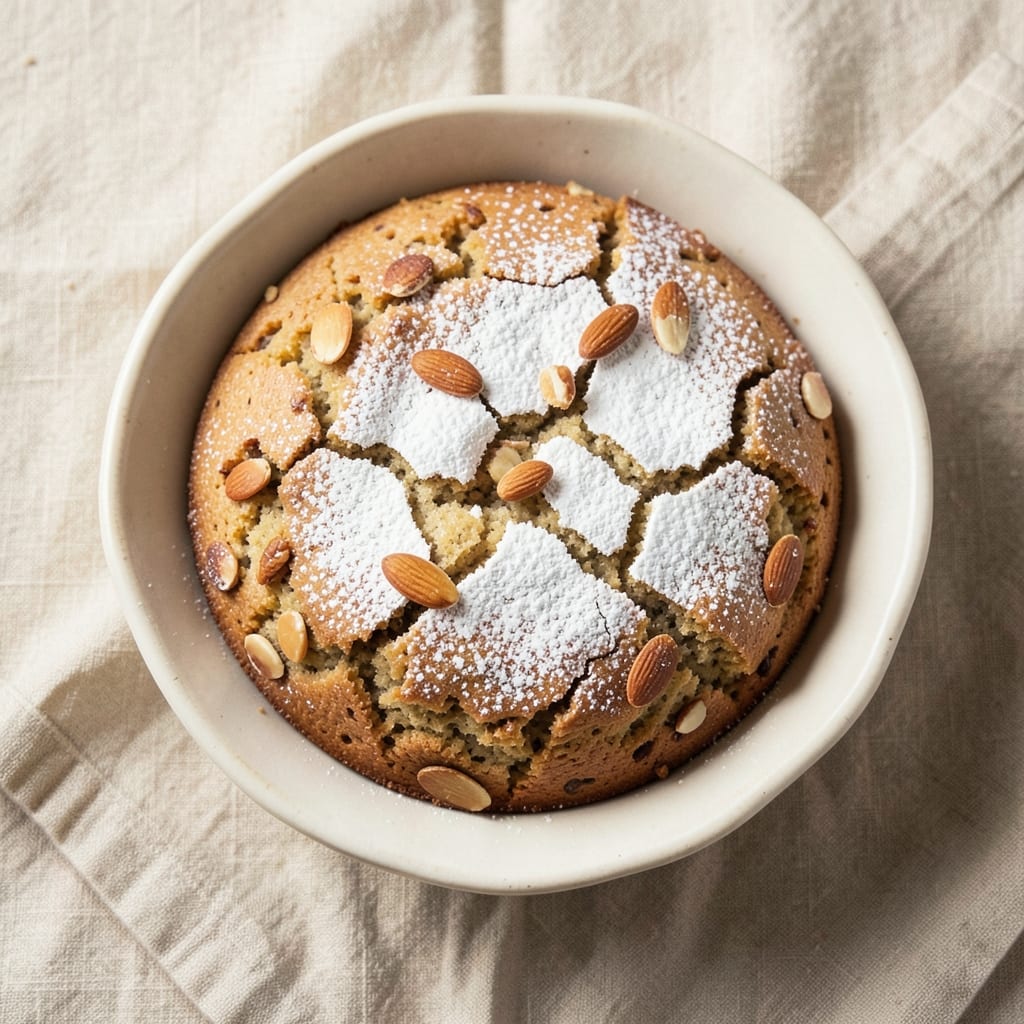
This almond pulp cake recipe delivers a perfect balance of nutty depth and ultra-moist crumb that stays fresh for days. The secret lies in properly incorporating almond pulp—a byproduct of almond milk production—that adds natural sweetness and a tender, almost fudgy texture without extra fat or sugar. I developed this recipe after struggling to find a cake that could match the rich flavor of almonds while maintaining a light yet dense structure.
The magic happens when you blend almond pulp with basic cake ingredients like flour, sugar, and eggs (or flax eggs for a vegan version). The pulp replaces some of the butter or oil, reducing calories while enhancing moisture and nutty flavor. Baking at 350°F for 30-35 minutes ensures a golden crust and evenly cooked interior, with no dryness or heaviness. This recipe works equally well as a classic vanilla cake or as a base for layering with almond buttercream.
What you’ll end up with is a cake that’s moist enough to cut cleanly but firm enough to hold its shape, all while delivering that unmistakable almond aroma. The texture is somewhere between a traditional pound cake and a dense brownie, making it ideal for slicing into generous portions. Garnish with toasted almonds or a dusting of powdered sugar for a restaurant-quality finish.
Perfect for celebrations, brunch, or a simple dessert craving, this cake keeps well for up to 5 days when stored properly. The almond pulp adds a subtle depth that pairs beautifully with coffee, tea, or even as a breakfast treat. Let’s get baking!
Ingredients for almond pulp cake
Twelve ingredients blend nutty richness with classic cake texture for a moist, restaurant-worthy dessert.
| Ingredient | Amount | Notes |
|---|---|---|
| Almond Pulp 🥜 | 1 ½ cups | From almond milk production, packed |
| All-Purpose Flour 🌾 | 2 cups | Sifted for even texture |
| Granulated Sugar 🍚 | 1 ½ cups | White or light brown |
| Unsalted Butter 🧈 | ¾ cup | Cold, cubed for creaming |
| Large Eggs 🥚 | 2 whole | Room temperature preferred |
| Almond Extract 🌿 | 1 tsp | Pure, not imitation |
| Vanilla Extract 🌸 | 1 tsp | Pure vanilla preferred |
| Baking Powder 🍞 | 2 tsp | Double-acting for lift |
| Salt 🧂 | ½ tsp | Fine sea salt |
| Whole Milk 🥛 | ½ cup | Room temperature |
| Powdered Sugar 🍚 | ¼ cup | For dusting and garnish |
| Sliced Almonds 🥜 | ½ cup | Toasted for garnish |
Almond pulp is the star here—look for it at specialty grocery stores or online retailers like Bob's Red Mill or Nuts.com. It's the byproduct of almond milk production, so check with local almond milk makers for fresh batches. The pulp should be thick, moist, and slightly sweet-smelling—if it's dry or crumbly, it won't work well. For the butter, cold cubes are essential for proper creaming, and I always use Plugrá for its high fat content. The almond extract should be pure—Goya or McCormick are reliable brands that deliver consistent flavor.
No almond pulp? Substitute with 1.5 cups almond flour, but expect a denser texture. Running low on almond extract? Vanilla extract plus 1/4 tsp cinnamon works in a pinch, though the flavor won't be identical. For a vegan version, replace eggs with 2 flax eggs (2 tbsp ground flaxseed + 6 tbsp water). The baking powder is crucial—use fresh (old baking powder loses potency). If you don't have sliced almonds for garnish, crushed pistachios add a nice contrast. The milk can be any kind, but whole milk gives the best moisture—skip the non-dairy alternatives if you want classic texture.
This cake keeps beautifully—up to 5 days at room temperature wrapped tightly in plastic, or 1 week refrigerated. For longer storage, slice and freeze portions for up to 3 months. I always bake an extra pan—leftovers reheat perfectly in the microwave with a damp paper towel for 10 seconds. The toasted almonds can be prepped ahead and stored in an airtight container for 1 week—just pop them in the oven at 350°F for 5-7 minutes before serving.
Why You'll Love This Recipe
- No-Fuss Mixing: I swear by this recipe—just fold the almond pulp into the batter, no extra steps. The butter and eggs do all the heavy lifting while I scrape the bowl once, and that’s it.
- Nutty Twist: That almond pulp? It’s the secret weapon—rich, toasty, and subtly sweet without overpowering. Honestly, the first bite makes me question why I’ve never baked with it before.
- Weekend or Weeknight: Slice it for brunch or pack it for lunch—same cake, zero guilt. Between us, I’ve even served it at book club (yes, even on a Tuesday night) and no one batted an eye.
- Budget-Friendly Luxury: Almond pulp stretches the batter beautifully, so you get more cake for less. My wallet thanks me, and my taste buds get that fancy-butter richness without the splurge.
Step-by-step instructions for almond pulp cake
Here's how to create a tender, moist almond cake with rich nutty flavor and perfect texture.
Cream Butter and Sugar Together
In a large mixing bowl, combine the 0.75 cup unsalted butter (cold, cubed) with the 1.5 cups granulated sugar. Using an electric mixer on medium speed, beat for 3-4 minutes until the mixture is light and fluffy, with the butter fully incorporated. You'll notice the mixture nearly doubles in volume and becomes pale in color—this aeration creates a light, tender crumb.
I like to scrape down the sides of the bowl every 30 seconds to ensure even mixing. The butter should be completely smooth with no visible lumps, and the sugar should be fully dissolved. This step is crucial for achieving that signature moist texture we're after with almond pulp cakes.
Add Eggs and Extracts
Add the 2 whole large eggs one at a time, mixing well after each addition. Begin on low speed to prevent splattering, then increase to medium once incorporated. After both eggs are added, mix in the 1 tsp almond extract and 1 tsp vanilla extract. The mixture should be smooth and slightly thickened.
This is where the almond flavor really starts to develop. The extracts will infuse throughout the batter, creating that distinctive nutty aroma. Mix just until combined—overmixing at this stage can develop gluten and make the cake slightly tougher. The batter should be homogeneous with no visible streaks of egg whites.
Combine Dry Ingredients
In a separate bowl, sift together the 2 cups all-purpose flour, 2 tsp baking powder, and 0.5 tsp salt. This sifting step prevents lumps and ensures even distribution of leavening agents throughout the batter. Gradually add this dry mixture to the wet ingredients, mixing on low speed just until combined.
I always use a spatula to gently fold in the last bit of flour to avoid overmixing. The batter should be thick but pourable. At this stage, add the 1.5 cups almond pulp and mix just until fully incorporated. The almond pulp will add moisture and that signature nutty depth to the cake. The mixture should be smooth with no visible streaks of dry ingredients.
Incorporate Milk and Prepare Batter
Add the 0.5 cup whole milk to the batter and mix on low speed until just combined. The milk helps create a moist crumb and balances the richness of the butter and almond pulp. At this point, fold in the 0.5 cup sliced almonds using a spatula, reserving a small handful for garnish if desired.
The batter should be thick but still able to be spooned easily. If it appears too thick, you can add an additional tablespoon of milk to achieve the proper consistency. This batter is designed to be slightly denser than traditional cakes to accommodate the almond pulp while maintaining that signature moist texture.
Bake to Golden Perfection
Preheat your oven to 350°F and grease an 8-inch round cake pan or line it with parchment paper. Pour the batter into the prepared pan and smooth the top with a spatula. Bake for 35-40 minutes, or until a toothpick inserted into the center comes out clean. The cake should be golden brown on top and slightly springy to the touch.
I recommend checking the cake at the 30-minute mark as ovens vary in temperature accuracy. The cake is done when it pulls away slightly from the edges of the pan and the center no longer feels wet to the touch. Allow the cake to cool in the pan for 10 minutes, then transfer to a wire rack to cool completely before serving.
Pro Tips For Making Almond Pulp Cake
- Sift the Almond Pulp: I learned this the hard way—skipping this step makes the cake dense and heavy. Use a fine-mesh sieve or food processor to break up any clumps in the almond pulp before mixing. This ensures even distribution and a lighter texture, especially when combined with flour. ---
- Cream Butter Cold: Don’t let the butter get too soft before mixing—room temperature is key. Cold butter creates air pockets that help the cake rise, while warm butter can lead to a greasy, flat result. Take it out of the fridge 30 minutes before starting, then check by pressing a thumbprint—it should hold its shape but still yield slightly. ---
- Whisk Eggs Separately: After burning three batches, I finally figured out the eggs need to be beaten alone first. Mix the yolks with sugar until pale and thick, then fold in the stiffly whipped whites at the end. This keeps the cake airy without deflating the structure—yes, even if you’re impatient like me. ---
- Test Doneness Early: The cake pulls away from the sides but still jiggles slightly—that’s perfect. Overbaking dries out the almond flavor and turns the texture crumbly. Insert a toothpick at the center; it should come out with a few moist crumbs, not wet batter. If unsure, check at 3-5 minutes before the recipe’s suggested time.
Regional styles of this recipe
Italian Almond Cake
In Tuscany, this cake is known as torta di mandorla, where almond pulp is traditionally used to create a delicate, moist crumb. The Italians often replace some of the flour with ground almonds for extra richness. I've adapted this version by adding a touch of orange zest and 1 tsp lemon juice to the batter, which pairs beautifully with the almond flavor and adds a subtle brightness. The cake is typically served dusted with powdered sugar and garnished with candied orange peel. 🌟
French Almond Financier
French patisseries often make a lighter, more delicate version called financier aux amandes, where almond pulp is folded into a batter made with egg whites and sugar. For this adaptation, replace the butter with ½ cup melted butter and ½ cup egg whites (whipped to stiff peaks), then fold in the almond pulp and dry ingredients. Bake in a loaf pan at 325°F for 40-45 minutes for a lighter, almost meringue-like texture. The French version is often served with a dusting of powdered sugar and a sprinkle of toasted almonds.
Middle Eastern Almond Cake
In countries like Lebanon and Syria, almond pulp is incorporated into a cake called ka'ak al-luz, which often includes rose water and cardamom for a fragrant twist. For this version, add ½ tsp ground cardamom and 1 tsp rose water to the batter. Replace the vanilla extract with an additional ½ tsp almond extract to deepen the nutty flavor. The cake is traditionally served with a drizzle of orange blossom syrup or a light dusting of powdered sugar. This version is slightly denser and more aromatic, perfect for celebrations like weddings or Eid.
American Almond Butter Cake
In the U.S., almond pulp is often used as a base for a denser, brownie-like cake that incorporates almond butter. For this adaptation, replace the 0.75 cup butter with ½ cup almond butter and add an extra ¼ cup almond pulp. The batter will be thicker, so add an additional 2 tbsp milk if needed. Bake in a 9x9-inch square pan for 35-40 minutes for a fudgy, rich texture. This version is a favorite for dessert bars and pairs well with a scoop of vanilla ice cream or a drizzle of melted dark chocolate. 🥜
Japanese Almond Mochi Cake
Japanese patisseries sometimes create a lighter, almost chewy version of almond cake using almond pulp and a touch of matcha. For this adaptation, replace the vanilla extract with ½ tsp matcha powder and add 1 tbsp honey to the batter. The cake is baked in a round cake pan at 325°F for 35-40 minutes for a softer, almost mochi-like texture. Serve with a dusting of powdered sugar and a sprinkle of kinako (roasted soybean flour) for a unique twist that balances the sweetness and nuttiness. This version is perfect for tea-time desserts.
Nutrition facts
Frequently asked questions
What makes almond pulp different from almond flour in cakes?
Almond pulp is the moist, sweet byproduct of almond milk production, while almond flour is dry and finely ground almonds. The pulp adds natural moisture and sweetness without needing extra fat or sugar, creating a tender crumb. Almond flour would make your cake denser and drier unless combined with additional moisture sources like yogurt or applesauce.
Can I substitute almond pulp with something else if I can't find it?
Yes! For the same moist texture, try 1.5 cups unsweetened applesauce or 1 cup mashed ripe banana. For nutty flavor without moisture, use 1.5 cups almond flour but add 2 tbsp extra milk to compensate. The cake won't be identical, but these swaps work in a pinch.
Why did my almond pulp cake turn out dense instead of moist?
Overmixing the batter or using dry almond pulp are common culprits. Make sure your almond pulp is fresh (thick and moist) and mix only until combined. Also, check your baking powder is fresh—old leavening causes flat cakes. For extra moisture, try brushing warm cake layers with simple syrup before frosting.
How do I make this cake vegan?
Replace the 2 eggs with 2 flax eggs (2 tbsp ground flaxseed + 6 tbsp water, rested 5 mins) and use vegan butter instead of regular butter. For the milk, choose an unsweetened almond or oat milk. The texture will be slightly denser but still delicious—just increase baking time by 5 minutes to ensure doneness.
Can I make this cake gluten-free?
Swap the all-purpose flour for a 1:1 gluten-free baking flour blend (like Bob's Red Mill). Add ½ tsp xanthan gum to help bind the crumb. For best results, let the batter rest for 10 minutes** before baking to allow gluten-free flours to hydrate properly. The texture will be slightly denser but still moist.